
Health Canada Rules for Hotel Toiletries: Notification and the Hotlist
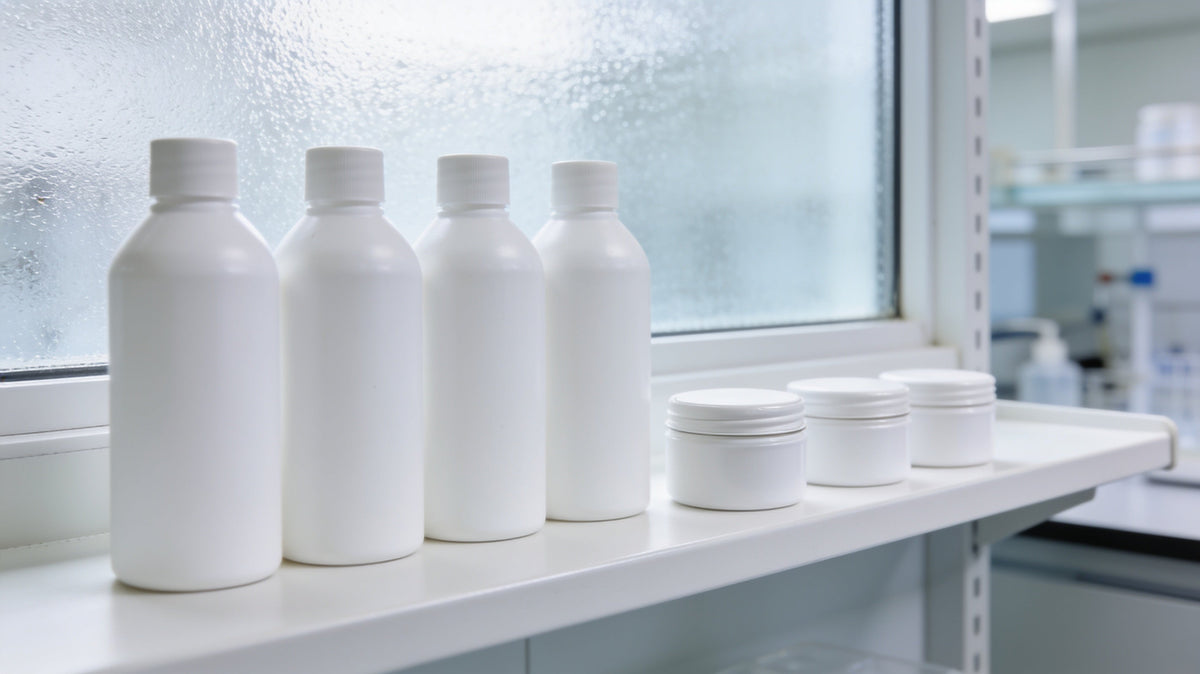
Hotel shampoo, conditioner, shower gel, body lotion and plain hand wash are cosmetics in Canada. The manufacturer or importer must notify Health Canada within 10 days after first sale, usually the Canadian importer or distributor in practice, and formulas must respect the Cosmetic Ingredient Hotlist. The overseas manufacturer supplies the formula, INCI and manufacturing information.
Hotel shampoo, conditioner, shower gel, body lotion and plain hand wash are cosmetics in Canada, regulated by Health Canada under the Food and Drugs Act and the Cosmetic Regulations. The manufacturer or importer must notify Health Canada with a Cosmetic Notification Form within 10 days after first selling the product in Canada, and the formula must respect the Cosmetic Ingredient Hotlist.
This guide explains how those two rules work for a private-label hotel range made overseas, who usually files, and what the manufacturer hands over. It is general information, not legal advice, and the rules can change, so confirm the current position with your importer or a regulatory consultant. For regions, formats and logistics, start with our Canada hotel amenities hub.
Are hotel toiletries cosmetics in Canada?
In most cases, yes. Canada treats products used to cleanse, improve or alter the skin, hair or teeth, or to change the complexion or appearance, as cosmetics. Shampoo, conditioner, shower gel, 2-in-1, body lotion and a hand wash sold simply for cleansing all fit that description.
The classification depends on what the product does and what it claims. A hand wash that claims to kill germs, or a lotion that claims to treat a skin condition, moves out of the cosmetic category into natural health products or non-prescription drugs, which need a product licence. That is why we position hotel hand wash as a cosmetic with no germ-kill claims, and why it pays to agree claims before artwork is drawn.
The Cosmetic Notification Form
The Cosmetic Notification Form, often shortened to CNF, tells Health Canada that a cosmetic is being sold in Canada and what is in it. The regulations require the manufacturer or importer to file it within 10 days after the product is first sold in Canada. Filing is done online through Health Canada's system.
Broadly, the notification covers:
- the product name and what it is used for
- the form of the product, such as a liquid, gel or cream
- the names and addresses of the manufacturer and the Canadian importer or distributor
- the ingredients, generally with their concentrations given in ranges
A notification is not an approval or a licence. Health Canada uses it to keep track of products on the market and may write to the notifier if it has a concern, for example about a Hotlist ingredient. If the information changes, such as a new supplier name or a change in formula, the notification generally has to be updated, so treat it as a living record.

Who notifies Health Canada?
The regulations name the manufacturer or the importer. For an overseas private-label range, the practical answer is usually the Canadian business that brings the goods in and puts them on the market. That might be a distributor, a hospitality supplier, a hotel group that imports in its own name, or a Canadian brand owner.
| Party | Typical role in notification |
|---|---|
| Canadian importer or distributor | Most often files the CNF and keeps it up to date |
| Hotel group importing directly | Files the CNF itself, or appoints a consultant to file for it |
| Regulatory consultant | Prepares and files on behalf of the importer or brand |
| Overseas manufacturer (Harrods Health) | Supplies formula, INCI and manufacturing information; files only if specifically arranged |
Agree who files before the first shipment. A clear owner avoids the common gap where the hotel assumes the supplier has filed and the supplier assumes the importer has.
The Cosmetic Ingredient Hotlist
The Cosmetic Ingredient Hotlist is Health Canada's list of ingredients that are prohibited in cosmetics or restricted to certain conditions. A restricted entry may set a maximum concentration, limit the ingredient to certain product types, such as rinse-off products, or require a warning on the label.
The Hotlist is an administrative tool. It tells notifiers where Health Canada has concerns, but it is not the whole safety picture. Under the Food and Drugs Act, a cosmetic must not be sold if it may cause injury when used normally, whether or not each ingredient appears on the list. Health Canada updates the Hotlist from time to time, so a formula that passed a few years ago is worth rechecking.
For hotel products, the areas worth watching are preservatives, fragrance materials and colourants. We check every formula against the current Hotlist before artwork is approved, and we flag anything that needs a label warning.
What the manufacturer supplies
An overseas manufacturer cannot do the importer's filing for it, but it holds most of the information. For a Canadian range, we can supply:
- the full formula with percentages, shared in confidence with the notifier
- the INCI ingredient list for the label
- fragrance information, including allergen data from the fragrance supplier
- product specifications and manufacturing documents
- dermatological test reports, where the formula is supplied as dermatologically tested
- certification details for the facility, which is US FDA registered, ISO certified, GMP-compliant and Halal certified, with an AYUSH licence and a state FDA cosmetic manufacturing licence in India
Details of our certifications are on our quality and certifications page. If you also sell into the United States, note that the US rules work differently; our guide to MoCRA registration and listing covers that side.
A practical sequence for a new hotel range
- Agree products, formats and scent with us, using the hotel amenities range as a starting point.
- Agree claims. Keep hand wash and lotion claims cosmetic.
- We check formulas against the Hotlist and send the INCI list and formula information.
- Your importer or consultant reviews the information and plans the notification.
- Labels are drafted in English and French. For Quebec, see our Quebec page for the extra French-language points.
- Production, shipping and customs clearance.
- The notifier files the CNF within 10 days after first sale and keeps it updated.
Signature scents and formula changes
A signature scent is one of the most valuable parts of a hotel range, and also the part most likely to change. A new fragrance, or the same fragrance from a different supplier, changes the ingredient list. Health Canada has also amended the Cosmetic Regulations to require disclosure of certain fragrance allergens above set levels, with a transition period, which affects labels as well as notification. Tell us before any change, and we will send updated information so the notifier can amend the filing and the label together.
Hotels sometimes split a range across several properties with slightly different scents or formats. Each distinct product usually needs its own notification, so keeping the range tight saves paperwork as well as stock.
Frequently asked questions
Does Harrods Health file the Cosmetic Notification Form for my hotel?
Not unless that is specifically arranged. The regulations place the duty on the manufacturer or importer, and in practice the Canadian importer, distributor or brand usually files. We supply the formula, INCI list and manufacturing information the notifier needs.
Is a Cosmetic Notification Form an approval?
No. It tells Health Canada that a cosmetic is on the market and what is in it. It is not a licence or a safety approval, and the product must still be safe and meet the Cosmetic Regulations.
What happens if a formula contains a Hotlist ingredient?
If the ingredient is prohibited, the formula has to change. If it is restricted, the product may need to meet conditions such as a concentration limit or a label warning. Health Canada may contact the notifier about it.
Do we need a new notification for a new scent?
A new fragrance changes the ingredients, so the notifier will usually need to file a new or amended notification. Tell us early and we will send updated information.
Planning a Canadian range? Start a brief on our private-label hotel toiletries page.
Related service: Hotel amenities supplier for Canadian hotels →
Tell us your idea. An account manager replies within 1 business day.
More from Harrods Insights
Keep reading
Shipping Hotel Amenities from India to China and Hong Kong: Consignee, Broker, Customs Inspection, Documents and Seasonal Planning

Supplying Hotels in Hong Kong and Macau: How the Rules Differ from the Mainland, Safety and Trade Descriptions Law, Labelling and Practical Buying
