
Active Ingredient and Percentage Claims in Skincare: What Brands Can and Cannot Say
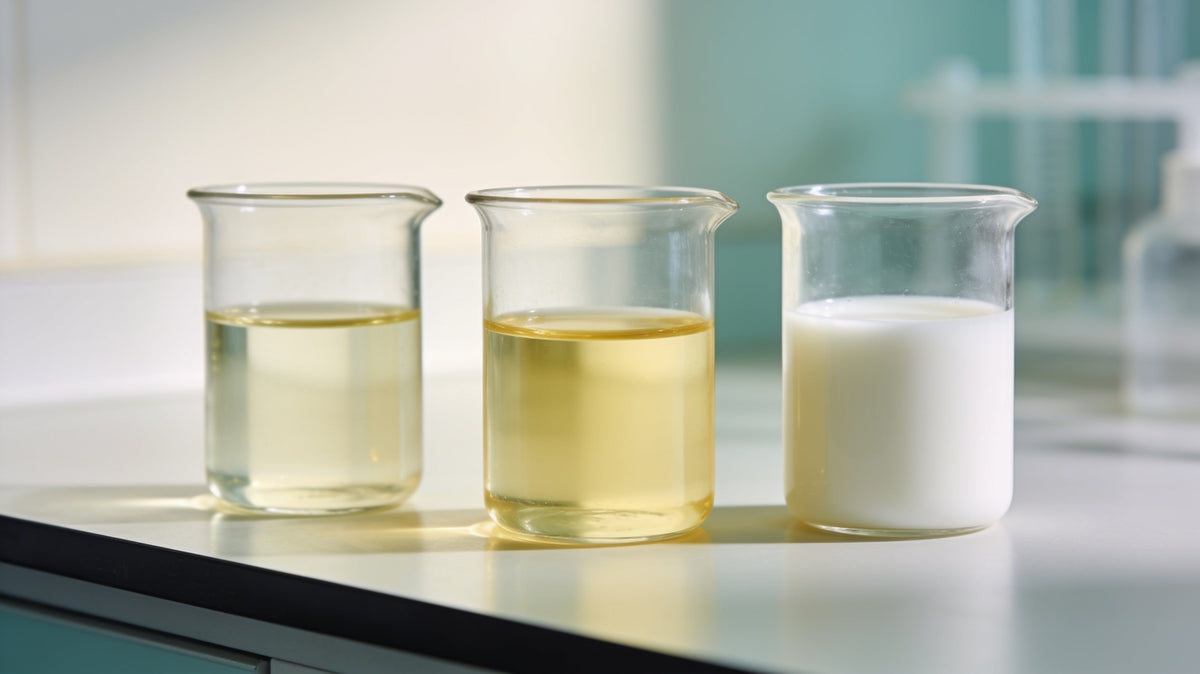
Skincare claims must describe a cosmetic effect on the appearance or feel of skin, not the treatment of a condition. Any percentage printed on the pack must match the actual formula, and every claim needs evidence on file. Agree claims with your manufacturer before artwork, not after.
Skincare brands can make cosmetic claims about how a product cleanses, hydrates, smooths or improves the look and feel of skin, provided each claim is supported by evidence. They cannot claim to treat, prevent or heal a disease or condition, and any active percentage on the label must match the formula exactly.
Actives sell skincare. Customers search by ingredient, compare percentages and expect labels to be precise. That creates pressure to push claims further than the product or the law allows. As a private label skincare manufacturing partner, Harrods Health sees claims reviewed at the artwork stage more often than at the formula stage, which is too late. This guide sets out the principles, so your claims are planned alongside your formula. It is general guidance, not legal advice; confirm the position for your markets with a regulatory adviser.
Cosmetic claims versus drug claims
In most markets, including India, the EU, the UK and the US, the line between a cosmetic and a medicine depends heavily on what the product claims to do. A cosmetic is intended to cleanse, beautify, perfume, protect, keep in good condition or change the appearance of the skin. A product claiming to treat or prevent disease, or to change how the body functions, may be treated as a drug, whatever its ingredients.
| Typically cosmetic | Typically drug or medical territory |
|---|---|
| Helps skin look brighter and more even | Treats pigmentation disorders |
| Helps reduce the appearance of blemishes | Heals or eliminates acne |
| Hydrates and softens dry-feeling skin | Treats eczema or dermatitis |
| Smooths the look of fine lines | Repairs collagen or reverses ageing |
| Calms the look of redness; comforting feel | Anti-inflammatory; treats rosacea |
Wording that sounds slightly different can move a claim across that line. Words such as "treat", "heal", "repair", "prescription-strength" and "medical-grade" are worth removing from a cosmetic label. Claims about changing skin colour, such as lightening or complexion-altering promises, are also discouraged or restricted in many markets, including under advertising standards in India, and should be avoided.
Percentage claims must match the formula
A percentage on the front of a pack is a factual statement about the formula. If the label says "10% niacinamide", the formula must contain 10% niacinamide. Three common problems arise:
- Raw material versus active content. Some actives are supplied as solutions or blends. Adding 10% of a solution that contains only part active does not make a "10%" product. Base the claim on the actual active content and keep the calculation on file.
- Derivatives presented as the parent ingredient. A vitamin C derivative at 10% is not "10% vitamin C" in the sense customers assume. Name the derivative or phrase the claim carefully.
- Combined totals. "5% AHA" should state, at least in your records, which acids make up the total and at what level each.
Concentrations should also be appropriate for the market. Some actives are restricted to maximum levels, or need warnings, in particular regions. A headline percentage that works in one country may not be permitted in another.

Common actives and typical cosmetic claims
The table below shows how actives are commonly positioned in cosmetic language. Concentrations are indicative of common practice only; the right level depends on the formula, the product type and the rules in your market.
| Active | Commonly used | Typical cosmetic claims |
|---|---|---|
| Niacinamide | Commonly 2–5%, sometimes up to 10% | Helps skin look more even; refines the look of pores; supports a balanced-feeling complexion |
| Hyaluronic acid (sodium hyaluronate) | Low percentages | Hydrates; plumps the look of skin with moisture; leaves skin feeling soft |
| Vitamin C and derivatives | Varies by form | Brightens the look of dull skin; antioxidant support; more radiant-looking complexion |
| Retinol | Low levels, often well under 1% | Smooths the look of fine lines; improves the look of skin texture |
| Bakuchiol | Low levels | Smoother-looking skin; gentle alternative positioning, subject to evidence |
| Salicylic acid | Low levels; capped in some markets | Exfoliates; helps unclog the look of pores; helps reduce the appearance of blemishes |
| Glycolic and lactic acids | Varies with pH and product type | Exfoliates; reveals smoother, more radiant-looking skin |
| Ceramides | Varies | Supports the skin's moisture barrier; helps skin feel comfortable |
| Panthenol | Varies | Soothes the feel of dry skin; conditions |
Explore actives in our niacinamide and retinol formula collections. For blemish-prone positioning, our acne-prone skin formulas are designed for cosmetic claims about the appearance of blemishes, not treatment.
Substantiation: every claim needs evidence
A claim is only as strong as the evidence behind it. The type of evidence depends on the claim.
- Composition claims ("contains 5% niacinamide", "fragrance-free") – supported by the formula and raw material documents.
- Ingredient-function claims ("with hyaluronic acid to hydrate") – supported by published literature or supplier data on the ingredient, provided the formula uses it at a meaningful level.
- Finished-product performance claims ("visibly smoother skin in four weeks") – usually need testing of the finished product, such as instrumental measurements or consumer perception studies, with a defined method and panel.
- Safety-type claims ("dermatologically tested", "suitable for sensitive skin") – supported by appropriate tests on the finished formula.
Formulas from Harrods Health can be supplied as dermatologically tested, with test reports on request. Be precise in wording: "dermatologically tested" describes a test that was done; it is not the same as an endorsement, and should never be presented as one. Read more on our testing and quality page.
Claims that create avoidable risk
- Absolute claims such as "100% safe", "chemical-free" or "suitable for everyone".
- Results presented as certain, or timelines you have not tested.
- Implied endorsements by doctors or professionals that you cannot document.
- "Free from" claims that disparage permitted ingredients or simply describe what the product type never contains.
- Comparisons with named competitors.
- Before-and-after images that are edited or not representative.
A claims workflow that saves time
- Draft your intended claims at the brief stage, before sampling.
- Ask your manufacturer which claims the formula can support and what evidence exists.
- Decide whether any claim needs new testing, and budget time for it.
- Write label and listing copy from the agreed claims list.
- Keep a claims file linking every claim to its evidence.
- Review the file whenever the formula, supplier of an active or target market changes.
The same discipline applies to marketplace listings, social media captions, influencer briefs and packaging inserts. Regulators and advertising standards bodies generally look at the overall impression a product creates, not only the words on the label, so a carefully worded pack can still be undermined by an exaggerated product page. Share your claims list with everyone who writes about the product.
Labelling rules sit alongside claims; see our guide to skincare labelling requirements in India.
Frequently asked questions
Can I say my product helps with acne?
Keep claims cosmetic, for example that a product helps reduce the appearance of blemishes or helps unclog the look of pores. Claims to treat, heal or eliminate acne are generally medical claims and should be avoided on cosmetic products.
Does the percentage on my label have to be exact?
Yes. A percentage claim must reflect the actual active content of the formula, not the amount of a raw material solution or blend added. Keep the calculation and supplier documents on file.
What does dermatologically tested mean?
It means the finished formula has been tested on skin under dermatological supervision. It is not an endorsement, and it should not be worded as a recommendation by dermatologists.
Who is responsible for the claims on a private label product?
The brand that markets the product is responsible for its claims and labelling. Your manufacturer can tell you which claims the formula supports and share available reports, but final review sits with the brand and its regulatory adviser.
Planning your claims alongside your formula? Speak to our skincare manufacturer in India before artwork begins.
Related service: Skincare manufacturing for your brand →
Tell us your idea. An account manager replies within 1 business day.
More from Harrods Insights
Keep reading

Shipping Hotel Amenities from India to China and Hong Kong: Consignee, Broker, Customs Inspection, Documents and Seasonal Planning

Supplying Hotels in Hong Kong and Macau: How the Rules Differ from the Mainland, Safety and Trade Descriptions Law, Labelling and Practical Buying
