
Building a Skincare Launch Range: Hero Product, Range Architecture and Reorders
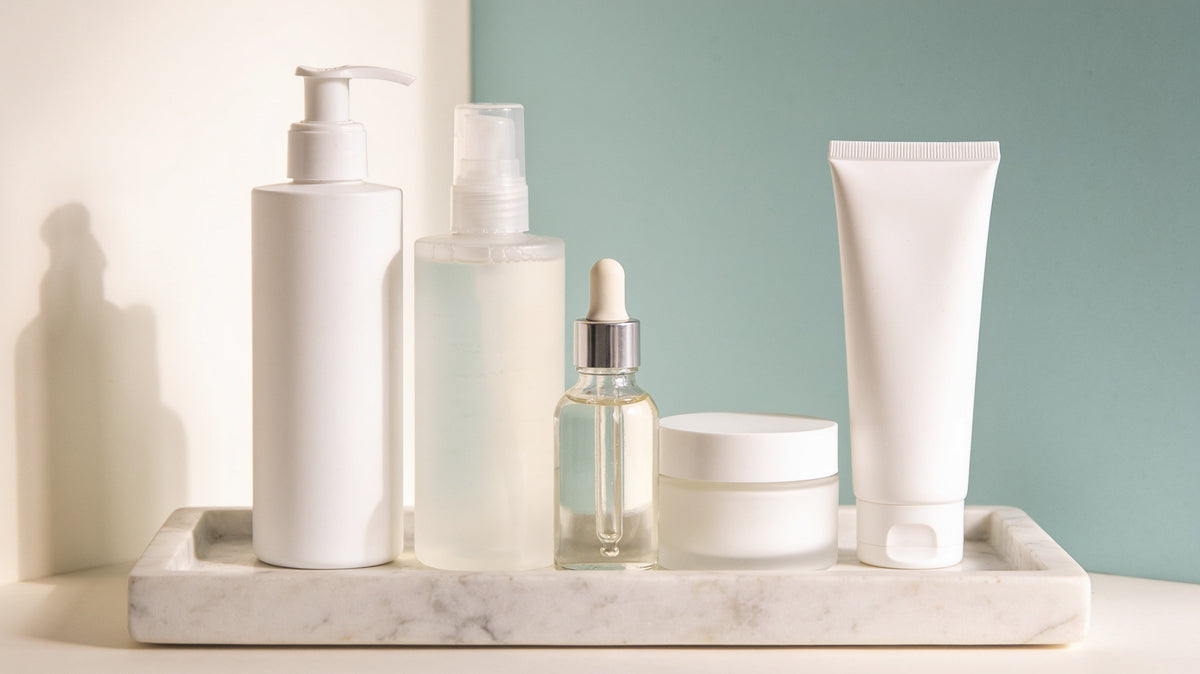
A strong skincare launch range is small, built around one hero product, and arranged so each item has a clear role in a routine. Start with three to five products, set a logical price ladder and plan reorders before the first batch sells out. Add eye creams, masks and extensions once the core proves itself.
A skincare launch range works best when it is small and built around one hero product, with each supporting item playing a clear role in a daily routine. Most new brands launch three to five products, typically a cleanser, a serum, a moisturiser and often a sunscreen, then add eye care, masks and toners once the core has proven demand.
Many founders over-launch: ten products, thin stock of each, and no clear reason for a customer to choose one first. A focused range is easier to explain, cheaper to stock and quicker to reorder. As a private label skincare manufacturing partner, Harrods Health helps brands plan ranges across cleansers, toners and mists, serums, moisturisers, sunscreens, eye care and masks. If you are earlier in the journey, start with our guide on how to start a skincare brand in India; this article focuses on range architecture.
Start with the hero product
The hero is the product your brand is known for and the one most customers buy first. It carries your advertising, your reviews and your story. A good hero:
- solves a common, clearly felt concern in cosmetic terms, such as dullness, dehydration or oily-looking skin;
- has a visible, sensory difference customers notice early, such as texture, finish or feel;
- can be explained in one line;
- is repurchased, so it builds lifetime value;
- has healthy margins at your intended price.
Serums are a frequent choice because they carry an active story and sit high on the price ladder. Niacinamide, vitamin C and hyaluronic acid serums are common heroes; explore the serum formula library. A distinctive sunscreen or moisturiser can be an equally strong hero, especially in hot climates where daily-use products drive frequent repurchase.
Range architecture: the role of each product
| Product | Role in the routine | Role in the range |
|---|---|---|
| Cleanser | First step, morning and night | Entry point; frequent repurchase; low barrier to trial |
| Toner, essence or face mist | Hydration and preparation | Add-on; good for bundles |
| Serum | Targeted active step | Often the hero; highest perceived value |
| Moisturiser | Hydration and comfort | Core repurchase; pairs with every serum |
| Sunscreen | Final morning step | Daily habit; strong repurchase; longer lead time |
| Eye cream | Targeted care for the eye area | Premium add-on; best after the core is established |
| Mask | Weekly treat | Gifting and bundles; lower repurchase frequency |

Three launch range models
The focused trio
Cleanser, hero serum and moisturiser. This covers a complete basic routine, keeps stock investment low and lets the hero do the selling. It suits D2C and marketplace brands with limited launch capital.
The daily routine
Cleanser, hero serum, moisturiser and sunscreen. Adding sunscreen completes the morning routine and builds daily use. Remember that sunscreen generally takes longer because of SPF and UVA testing; our guide to sunscreen third-party manufacturing explains the timeline.
The concern-led edit
Three or four products united by one concern, such as hydration, oily-looking skin or sensitive skin. This suits dermatologist-led and salon brands with a clear point of view. Browse ready sensitive-skin formulas or our face moisturiser collection to build around a concern.
Keep the range coherent
- One sensory language. Fragrance, or the absence of it, textures and colours should feel related across the range.
- One packaging family. A shared look builds shelf presence and simplifies artwork; mix formats only where the formula needs it.
- Compatible actives. Make sure products can be used together comfortably, and give clear directions where they should not be layered.
- Consistent claims. Every product should support the brand promise in compliant cosmetic language.
Building a price ladder
A price ladder gives customers an easy entry point and a reason to trade up. A typical ladder runs from the cleanser or mist at the entry level, through moisturiser and sunscreen in the middle, to serum and eye cream at the top. Bundles and routine sets sit above the single products and raise order value.
Price positions should reflect real differences in formula, active level, size and packaging, not just the label. Our guide to what drives private label skincare unit cost explains how those choices affect cost and margin.
Planning quantities and reorders
Ready formulas at Harrods Health start from 500 units per product, which makes a three- to five-product launch manageable. When planning quantities:
- Weight your order towards the hero; it will usually sell fastest.
- Order supporting products in smaller quantities until you see real sell-through data.
- Track weekly sales and calculate how many weeks of stock remain.
- Place reorders well before stock runs out, allowing for production, packaging components and transit.
- Keep packaging components in reserve for the hero, since components can have longer lead times than the formula.
- Review the range after the first reorder cycle: double down on what sells, refine or retire what does not.
Launch timeline: sequence the slow products first
Not every product moves at the same speed. Ready formulas in stock packaging are the quickest; custom formulas, decorated packaging and sunscreens take longer. Plan the launch backwards from your target date:
- start sunscreen and any custom formula first, since they need the most testing;
- lock packaging early, because component lead times can exceed production time;
- finalise artwork only after formulas and claims are agreed;
- approve samples for every product before the first production order.
If one product falls behind, consider launching the rest on time and adding it as a second drop. A staggered launch also gives you a reason to return to customers with news. Your account manager can map lead times for each item so the range arrives together, or in a deliberate sequence.
Using bundles and routines
Once the core is live, routine sets help customers buy the full regimen at once. A starter set of cleanser, serum and moisturiser makes the choice easy for new customers, while travel or trial sizes lower the barrier to a first purchase. Bundles work best when every product in them is already selling on its own, so build them from proven items rather than using them to clear slow stock.
When to extend the range
Add products when existing customers ask for them or when data shows a clear gap, not to fill a page. Natural extensions include an eye cream for serum buyers, a weekly mask for gifting, a second serum with a different active, a travel size of the hero, or a fragrance-free version of a best-seller.
Frequently asked questions
How many products should a new skincare brand launch with?
Most new brands do well with three to five products built around one hero, such as a cleanser, serum and moisturiser, with sunscreen added if the timeline allows.
What is the best hero product for a skincare launch?
Serums are a common hero because they carry an active story and sit high on the price ladder, but a distinctive moisturiser or sunscreen can also work well, particularly for daily-use positioning.
What is the minimum order per product for a launch range?
Ready formulas at Harrods Health start from 500 units per product, so a focused range can be launched without committing to very large quantities of every item.
When should I reorder stock?
Reorder well before stock runs out, allowing time for production, packaging components and transit. Tracking weekly sales and weeks of stock remaining makes the timing clearer.
Ready to plan your range? Work with our skincare manufacturer in India from hero product to reorder.
Related service: Skincare manufacturing for your brand →
Tell us your idea. An account manager replies within 1 business day.
More from Harrods Insights
Keep reading

Shipping Hotel Amenities from India to China and Hong Kong: Consignee, Broker, Customs Inspection, Documents and Seasonal Planning

Supplying Hotels in Hong Kong and Macau: How the Rules Differ from the Mainland, Safety and Trade Descriptions Law, Labelling and Practical Buying
