
Cosmetics or Quasi-Drugs? Claims for Japanese Hotel Amenities: Medicated Shampoo, Hand Soap, Permitted Cosmetic Expressions and Safe Wording
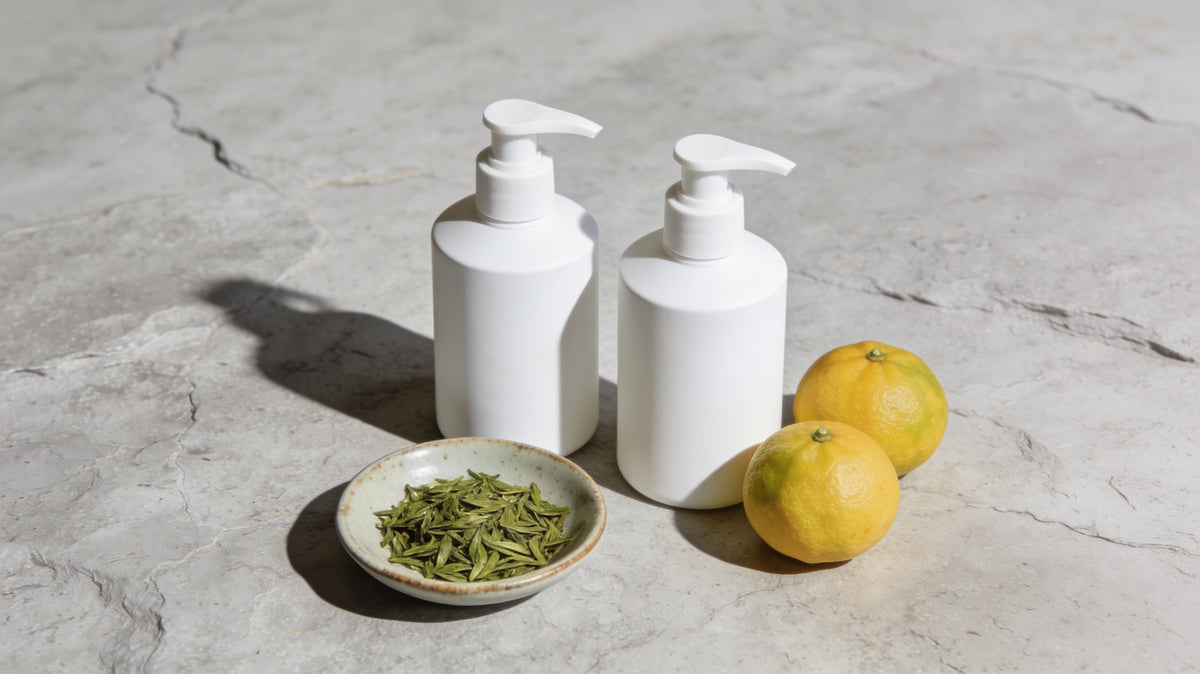
In Japan, medicated shampoos and hand soaps claiming antibacterial or anti-dandruff effects are quasi-drugs, which need approval before marketing. Hotel amenities are simpler to supply as cosmetics, using wording drawn from Japan's defined list of permitted cosmetic efficacy expressions. Agree all claims with your marketing authorisation holder.
In Japan, a shampoo or hand soap becomes a quasi-drug (iyakubugaihin) when it is presented as having a medicated effect, such as killing germs or preventing dandruff, and quasi-drugs need approval before marketing. Hotel amenities are far simpler to supply as cosmetics, described only in terms drawn from Japan's defined list of permitted cosmetic efficacy expressions. The words on the bottle decide the category as much as the formula does.
Hotels like reassuring words. "Antibacterial" on a hand wash, "medicated" on an onsen shampoo, "repairs" on a conditioner. In Japan each of those can take a product out of the cosmetic category, or out of compliance altogether. This guide explains where the lines sit and how to write labels and room cards that stay on the right side. For the wider picture, see our hotel amenities supplier page for Japan.
This is general guidance. Your marketing authorisation holder (the Japan-based business that places the product on the market and takes legal responsibility for it) has the final say on claims, and should check every word before printing.
Three categories, three sets of rules
Japan's Pharmaceuticals and Medical Devices Act (the PMD Act) separates pharmaceuticals, quasi-drugs and cosmetics.
- Cosmetics cleanse, beautify, keep skin and hair healthy and change appearance, with a mild action. They are notified by the holder, not approved, and must follow the Standards for Cosmetics on ingredients.
- Quasi-drugs have a mild but defined effect, often on a specified active ingredient. Medicated shampoos, medicated soaps and hand soaps for sterilisation or disinfection are typical examples. They need product approval and a quasi-drug marketing licence, and their labels carry the Japanese designation for a quasi-drug.
- Pharmaceuticals treat or prevent disease. Hotel amenities should never be here.
For a hotel range, the cosmetic route is usually the right one. It avoids product approval, keeps formula changes manageable and fits what guests actually need from a shampoo or shower gel.
What turns a hotel toiletry into a quasi-drug
Two things: the purpose the product is presented as serving, and the ingredients used for that purpose. A hand wash formulated with a recognised antibacterial active and labelled to kill germs is in quasi-drug territory. The same base without that claim is a cosmetic that cleanses the hands. Claims that commonly cause trouble include:
- antibacterial, sterilising or disinfecting;
- anti-dandruff or anti-itch in a medicated sense;
- preventing body odour or acne;
- "medicated" or any reference to a medicinal effect.
A cosmetic cannot simply carry these claims; the product would need to go through the quasi-drug route instead, or the claim must come off.

Permitted cosmetic efficacy expressions
Japan recognises a defined list of efficacy expressions that cosmetics may use, issued by the health ministry. Claims should stay within the scope of that list. Expressions relevant to hotel amenities include ideas such as:
- cleanses the scalp and hair;
- gives hair shine, or makes hair supple and manageable;
- cleanses the skin by removing dirt;
- moisturises the skin and helps prevent dryness;
- helps prevent rough skin and keeps skin healthy;
- protects the skin.
The exact Japanese phrasing matters, and descriptions of feel or scent ("light", "fresh hinoki fragrance") sit alongside these rather than replacing them. Your holder will work from the official Japanese text, not from an English summary like this one.
Safer wording for common hotel products
| Avoid | Cosmetic-range alternative |
|---|---|
| Antibacterial hand wash | Hand wash that gently cleanses away dirt |
| Medicated onsen shampoo | Shampoo that cleanses the scalp and hair |
| Anti-dandruff formula | Fresh, clean-rinsing shampoo (check any dandruff wording with your holder) |
| Repairs damaged hair | Leaves hair smooth, supple and manageable |
| Heals dry skin | Moisturises skin and helps prevent dryness |
| Deodorising body wash | Body wash with a clean hinoki fragrance |
The alternatives describe what cosmetics are allowed to do. They also tend to read better in the quiet register Japanese hotels favour.
Claims beyond the label
Claims are not only on the bottle. Room cards, in-room tablets, the hotel website, booking-site descriptions and the ryokan's own brochure can all count as advertising. Japan's health ministry issues advertising standards for products under the PMD Act, and Japan's law on misleading representations covers exaggerated or unsupported claims generally. Keep every channel consistent with the label.
Ryokan and onsen operators need particular care. Hot-spring water may be described with its own recognised characteristics, but those belong to the spring, not the shampoo. A sign at the wash station should not suggest the toiletries share the water's effects. Our page on ryokan and onsen amenities covers wash-station products in more detail.
Natural, dermatologically tested and similar terms
Words such as "natural", "gentle" or "botanical" have no special cosmetic status in Japan and should be accurate and not misleading. "Dermatologically tested" should only appear if the product has been tested; our formulas can be supplied as dermatologically tested, with reports on request, and your holder can decide whether and how to state it. Avoid implying that a product cannot cause a reaction.
Signature scents and storytelling
Scent is where hotels can be expressive without regulatory risk, provided the story stays about fragrance and experience. "Hinoki and yuzu, inspired by the inn's cedar bath" is a scent description. "Hinoki to soothe tired muscles" is a functional claim. Our guide to building a signature scent hotel amenity range covers the creative side.
A claims review routine
Claims drift. A label is approved, then a sales deck, a room card and a booking-site description are written later by different people. A simple routine keeps everything aligned:
- Write the product's purpose in one plain sentence: what it cleanses, conditions or moisturises.
- Match that purpose to the permitted cosmetic expressions with your holder.
- Add scent and texture descriptions separately, without functional promises.
- Have the holder sign off the Japanese text, then derive other languages from it.
- Keep an approved-claims sheet and share it with marketing, front office and any agency.
- Review the sheet whenever a formula, scent or supplier changes.
If a hotel genuinely wants a medicated product, such as an antibacterial hand soap for a public washroom, treat it as a separate quasi-drug project with its own approval route and timeline, rather than stretching a cosmetic label.
How we work on claims
We formulate hotel shampoo, conditioner, shower gel, 2-in-1, body lotion and hand wash as cosmetics. We supply ingredient lists and manufacturing documentation so your holder can check formulas against the Standards for Cosmetics, and print label and carton artwork in the Japanese wording your holder supplies or approves. See custom packaging and quality and certifications.
Frequently asked questions
Can a hotel hand wash be called antibacterial in Japan?
Not as a cosmetic. Antibacterial or sterilising claims generally place a hand soap in the quasi-drug category, which needs approval. A cosmetic hand wash can be described as cleansing away dirt.
What is a quasi-drug?
A product category under the PMD Act for items with a mild, defined effect, such as medicated shampoos and hand soaps for disinfection. Quasi-drugs need product approval before marketing.
Where does the list of permitted cosmetic expressions come from?
It is a defined list issued by Japan's health ministry. Your marketing authorisation holder will work from the official Japanese wording when checking claims.
Do room cards and websites need to follow the same rules?
Yes. Advertising in any channel should match the cosmetic claims on the label. Ask your holder to review room cards and web copy too.
Browse our hotel toiletries range or the hotel amenities collection.
Related service: Hotel amenities supplier for hotels in Japan →
Tell us your idea. An account manager replies within 1 business day.
More from Harrods Insights
Keep reading
Shipping Hotel Amenities from India to China and Hong Kong: Consignee, Broker, Customs Inspection, Documents and Seasonal Planning

Supplying Hotels in Hong Kong and Macau: How the Rules Differ from the Mainland, Safety and Trade Descriptions Law, Labelling and Practical Buying
