
Exporting Skincare from India: EU, UK, US, GCC and Halal Requirements Explained
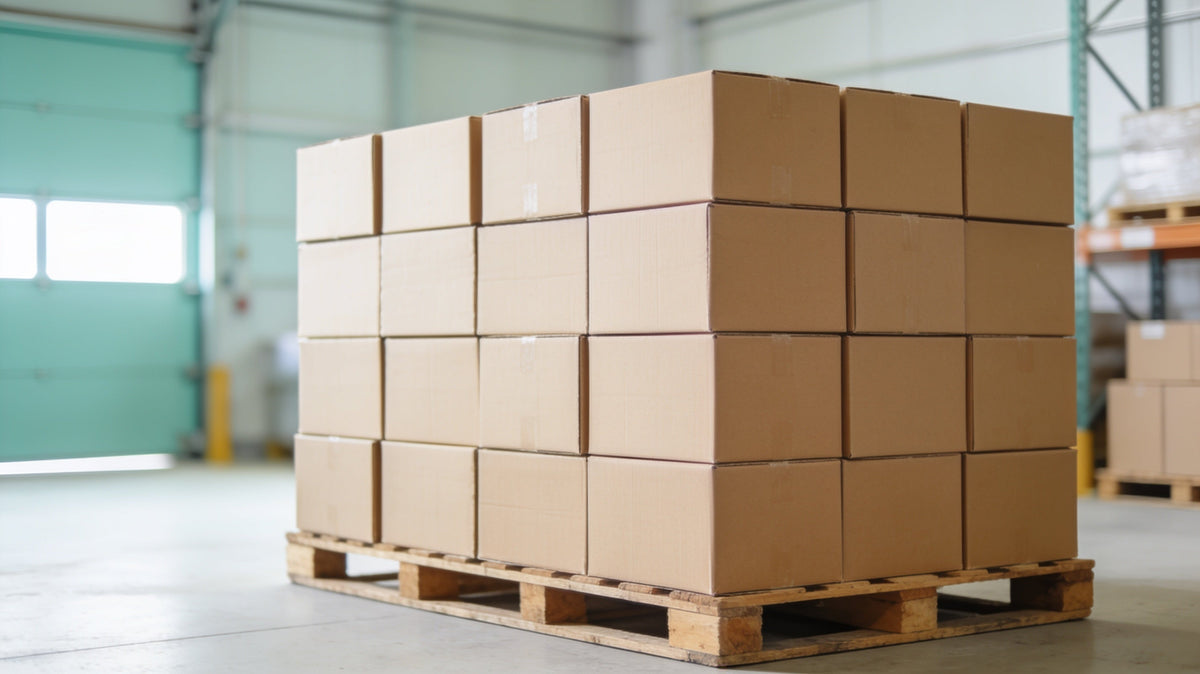
Each export market has its own cosmetics framework, and most require a local responsible party, a safety assessment and a product notification or registration before sale. Formula, labels and claims may need adapting per market. Use this as an orientation guide and confirm current rules with a regulatory adviser in each destination.
Exporting skincare from India means meeting the destination market's cosmetics rules, not just India's. Most major markets require a local responsible party, a product safety assessment, a notification or registration before sale, and labels and claims that follow local law. Requirements change, so confirm current rules with a regulatory adviser in each market.
India is an established source of private label skincare for brands and importers in the GCC, the UK and EU, the US, Africa and South East Asia. As a skincare manufacturer in India supplying both domestic and export customers, Harrods Health prepares documents and dispatches to export ports. This guide gives a general overview of the main frameworks so you know what to plan for. It is not legal advice, and rules are updated regularly.
Who is responsible for what
In most export markets, legal responsibility for a cosmetic product sits with a party in, or appointed for, that market: the brand owner, the importer or a nominated responsible person. The manufacturer's role is to make the product to agreed specifications under good manufacturing practice and to supply the technical information that the responsible party needs, such as formula details, raw material documents, stability and test reports and manufacturing information.
Agree early who will hold which role, who will pay for safety assessment and registration, and which documents the manufacturer will provide.
European Union
Cosmetics placed on the EU market fall under the EU Cosmetics Regulation. In general terms:
- Responsible Person. Every product must have a Responsible Person established in the EU, whose name and address appear on the label. For a brand outside the EU this is often the importer or a specialist service provider.
- Safety assessment. A Cosmetic Product Safety Report must be prepared by a qualified safety assessor before the product is placed on the market.
- Product Information File. The Responsible Person keeps a product information file, including the safety report, product description, manufacturing method and evidence for claims.
- CPNP notification. Products are notified through the Cosmetic Products Notification Portal before being placed on the market.
- Ingredient rules. Annexes list prohibited and restricted substances, permitted colourants, preservatives and UV filters, with limits and warnings. These are updated regularly.
Animal testing of cosmetics and their ingredients is prohibited for the EU market under the Regulation's rules.

United Kingdom
Since leaving the EU, Great Britain has its own cosmetics regime based on retained law, with broadly similar principles:
- a UK-based Responsible Person, named on the label;
- a safety assessment and product information file;
- notification through the Submit Cosmetic Product Notification (SCPN) service before sale;
- UK lists of prohibited and restricted substances, which may diverge from EU lists over time.
Northern Ireland follows different arrangements in some respects, so check the position if you sell there.
United States
The Modernization of Cosmetics Regulation Act (MoCRA) significantly expanded FDA oversight of cosmetics. At a general level, it introduced:
- Facility registration for facilities that manufacture or process cosmetics for the US market;
- Product listing of cosmetic products and their ingredients, typically by the responsible person;
- requirements for safety substantiation, adverse event reporting and record-keeping;
- labelling that includes contact information for the responsible person.
Harrods Health is a US FDA registered facility. Facility registration does not mean the FDA approves any product, and brands remain responsible for product listing, labelling and claims. Note that in the US some products considered cosmetics elsewhere, including sunscreens and certain anti-dandruff or acne products, are regulated as over-the-counter drugs with separate requirements. Our sunscreen manufacturing guide explains why sun care needs extra planning.
GCC markets
The Gulf Cooperation Council countries each operate their own systems for cosmetics, informed by Gulf standards. Requirements commonly include product notification or registration with the relevant national or emirate-level authority, a local company or agent acting for the brand, Arabic labelling elements, supporting documents such as certificates of free sale or analysis, and compliance with lists of restricted ingredients. Procedures and portals differ between countries and change over time, so work with an importer or registration agent in each country.
Halal
Halal certification is often requested by buyers in the GCC, Malaysia, Indonesia and other markets with Muslim-majority populations, and is sometimes expected by retailers even where it is not a legal requirement. Halal assessment typically considers ingredient sources, including alcohol and animal derivatives, manufacturing practices and cross-contamination controls. Harrods Health is Halal certified; confirm with your buyer which certificate and scope they require for your specific products.
Other markets
African and South East Asian markets each have their own notification or registration systems, often with local agent requirements and specific labelling rules. ASEAN members follow a harmonised cosmetic directive framework, implemented nationally. Ask your importer early what is needed, as registration lead times can affect your launch date.
Common mistakes exporters make
- Designing one label for every market and discovering late that the responsible person details or language elements are missing.
- Using an active, preservative or UV filter at a level permitted in India but restricted in the destination.
- Leaving safety assessment until stock is already produced, so a formula change forces a new batch.
- Carrying over marketing claims from domestic listings that the destination treats as medicinal.
- Underestimating registration lead times in markets that require approval before import.
Preparing a product for export
| Area | What to check |
|---|---|
| Formula | All ingredients permitted at the levels used in each destination; restricted actives and UV filters reviewed |
| Claims | Cosmetic claims only; evidence on file; drug-type claims removed |
| Labels | Local language elements, responsible person details, ingredient naming convention, warnings, batch and dates |
| Testing | Stability, compatibility and challenge testing available for the safety assessor |
| Documents | Specifications, certificates of analysis, raw material documents and manufacturing certifications |
| Logistics | Packaging robust enough for sea or air freight; freeze-thaw tolerance where relevant |
Stability and challenge data are central to most safety assessments; see our guide to stability and compatibility testing.
How Harrods Health supports export brands
Harrods Health operates an ISO certified, GMP-compliant facility with a state FDA cosmetic manufacturing licence, is a US FDA registered facility, and holds Halal certification and an AYUSH licence. Details are on our quality certifications page. Test reports are available on request, and formulas can be supplied as dermatologically tested. We handle packing, documents and dispatch to export ports; see fulfilment and export. A single account manager coordinates formula, labelling inputs and shipping documents, while your regulatory adviser and responsible person manage notification and registration in each market.
Frequently asked questions
Do I need an EU Responsible Person to sell skincare made in India?
Yes. Cosmetics sold in the EU must have a Responsible Person established in the EU, named on the label, who holds the product information file and notifies the product through the CPNP.
Does US FDA facility registration mean my product is FDA approved?
No. Facility registration under MoCRA is a listing requirement, not product approval. Brands remain responsible for product listing, safety substantiation, labelling and claims.
Is Halal certification required for GCC exports?
It is often requested by buyers and retailers but is not always a legal requirement for cosmetics. Confirm with your importer which certificate and scope they need. Harrods Health is Halal certified.
Can the same label be used in every export market?
Rarely. Responsible person details, language, ingredient naming and warnings differ between markets, so plan market-specific labels or a multi-market design checked by a regulatory adviser.
Planning an export range? Speak to our private label skincare manufacturing team about documents and dispatch.
Related service: Skincare manufacturing for your brand →
Tell us your idea. An account manager replies within 1 business day.
More from Harrods Insights
Keep reading

Shipping Hotel Amenities from India to China and Hong Kong: Consignee, Broker, Customs Inspection, Documents and Seasonal Planning

Supplying Hotels in Hong Kong and Macau: How the Rules Differ from the Mainland, Safety and Trade Descriptions Law, Labelling and Practical Buying
