
Selling Hotel Toiletries in Japan: The PMD Act, the Marketing Authorisation Holder, Product Notification and What the Overseas Manufacturer Supplies
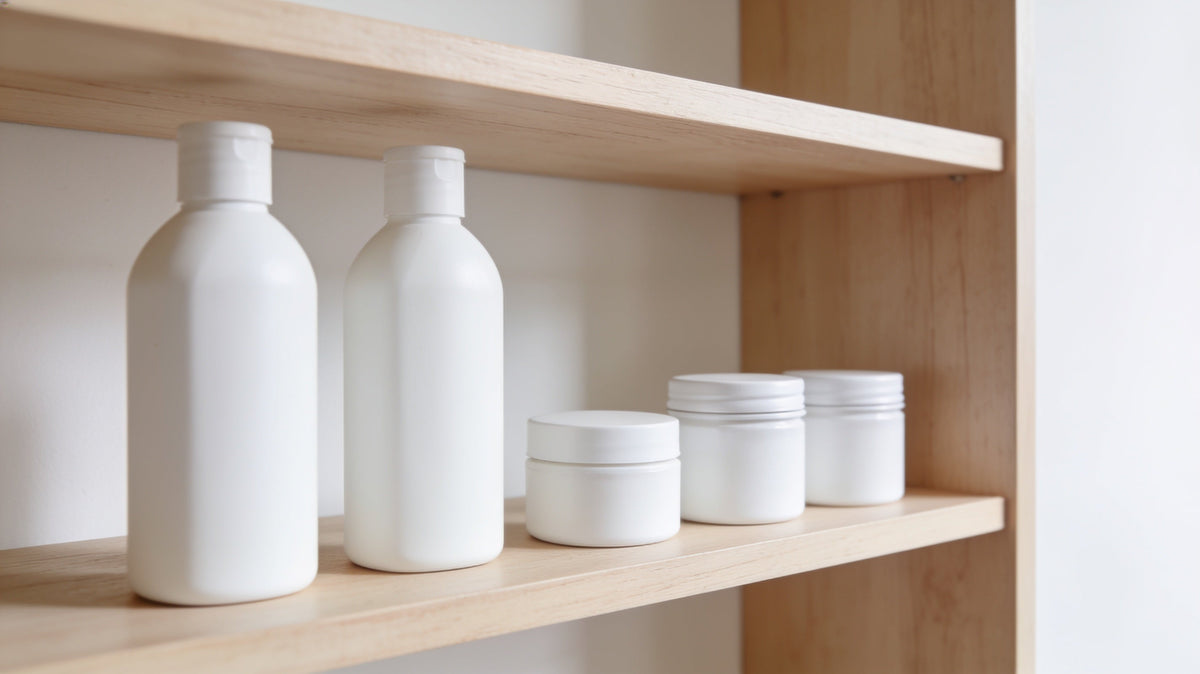
Hotel shampoo, shower gel, lotion and hand wash are generally cosmetics under Japan's PMD Act. A Japan-based marketing authorisation holder takes legal responsibility, notifies each product to the prefectural authority before marketing and manages imports. The overseas manufacturer supplies the formula, ingredient and manufacturing documents the holder needs.
Hotel shampoo, conditioner, shower gel, body lotion and hand wash are generally regulated as cosmetics in Japan under the Pharmaceuticals and Medical Devices Act (the PMD Act). They are placed on the market by a Japan-based marketing authorisation holder, which takes legal responsibility, files a product notification with the prefectural authority before marketing and manages imports. The overseas manufacturer supplies the formula, ingredient and manufacturing documents that holder relies on.
For an overseas supplier, Japan is unusual in one respect: you cannot simply ship to a hotel and invoice. Someone in Japan must hold a licence and accept responsibility for every product before it reaches a guest bathroom. Hotel groups, management companies and ryokan owners usually meet this requirement through an amenity distributor or trading company that holds the licence, or works closely with a business that does. This guide explains the system in plain terms. For an overview of formats, scents and regions, see our hotel amenities supplier page for Japan.
It is a planning guide, not legal advice. Procedures and interpretations change, and the details sit with your marketing authorisation holder, importer or a regulatory consultant.
The PMD Act in brief
The PMD Act is Japan's main law for pharmaceuticals, quasi-drugs, cosmetics and medical devices. It replaced the earlier Pharmaceutical Affairs Law in the mid-2010s, and you will still see the old name in older documents. For cosmetics, the Act and its ordinances cover who may place products on the market, what formulas may contain, what labels must say and how quality and safety are monitored after launch.
Japan separates cosmetics from quasi-drugs (iyakubugaihin). Quasi-drugs are products with a mild, defined effect, such as medicated shampoos or hand soaps that claim antibacterial or anti-dandruff action. They need approval before marketing. Ordinary hotel toiletries are best kept as cosmetics with cosmetic-range claims. Our separate guide on cosmetics and quasi-drugs covers the wording in detail.
The marketing authorisation holder
The marketing authorisation holder (often shortened to MAH) is the business in Japan that holds a cosmetics marketing licence. It is the party the authorities hold responsible for the product. In general terms the holder:
- files a product notification with the prefectural authority before each product is marketed;
- manages imports, including the notifications that accompany them;
- runs quality assurance and post-market safety systems, including handling complaints and adverse reactions;
- decides whether each batch may be released to the market;
- makes sure the Japanese label is correct and carries the holder's own name and address;
- keeps the formula and manufacturing records it needs to answer questions from the authorities.
Some steps, such as final Japanese labelling, packaging or storage, may need to happen at a licensed site in Japan, depending on how the holder organises its supply chain. Ask your holder how it handles this before artwork is finalised.
Harrods Health is the manufacturer. We are not a marketing authorisation holder in Japan, and we never describe our products as carrying Japanese approval. Cosmetics are notified, not approved, and the notification belongs to the holder.

Who does what
| Party | Main role |
|---|---|
| Hotel, ryokan or management company | Defines the range, scent and formats; buys from the holder or distributor |
| Marketing authorisation holder | Takes legal responsibility, notifies products, manages imports, approves labels, releases batches |
| Distributor or trading company | Often the holder itself, or its commercial partner; handles orders and stock |
| Importer and customs broker | Clears goods through Japan Customs, pays duty and consumption tax |
| Harrods Health | Formulates, manufactures, packs, prints labels and supplies documents |
Product notification
Before a cosmetic is placed on the market, the holder notifies it to the prefectural authority where it is based. For cosmetics this is a notification, not a pre-market approval: the authority does not evaluate the formula in advance. That does not make it a formality. The holder is confirming that the product complies, and it carries the consequences if it does not.
Each distinct product generally needs its own notification. A shampoo, conditioner and shower gel in one signature scent are three products. Changing the formula may also mean updating the paperwork, so settle formulas before notification rather than after.
The Standards for Cosmetics
Japan's Standards for Cosmetics set out which ingredients cosmetics may and may not contain. In general terms they include:
- a list of prohibited ingredients that must not be used;
- restricted ingredients that may only be used within limits or for certain product types;
- positive lists for some functions, such as preservatives and UV filters, where only listed substances may be used within set limits.
Colourants follow their own rules, with a defined list of permitted tar colours. Rinse-off products such as shampoo and shower gel can have different limits from leave-on products such as body lotion, so check each formula against its product type.
A formula sold in India or elsewhere may need adjusting for Japan, most often in the preservative system, colour or fragrance components. We review formulas with your holder before samples are signed off.
What the overseas manufacturer supplies
The holder relies on the manufacturer for most of the technical information. Agree the document list at quotation stage. A holder will typically ask for:
- Full formula with ingredient percentages, often shared confidentially with the holder only.
- Ingredient list in INCI names, which the holder converts into Japanese labelling names.
- Manufacturing documentation, such as a process outline, specifications and batch records.
- Facility credentials. Our facility is ISO certified and GMP-compliant, holds an AYUSH licence and a state FDA cosmetic manufacturing licence in India, is US FDA registered and is Halal certified. See quality and certifications.
- Test reports. Formulas can be supplied as dermatologically tested, with reports on request.
- Label artwork printed to Japanese text that the holder supplies or approves.
We supply ingredient lists and manufacturing documentation on request. If your holder needs something specific, such as fragrance information or stability data for a particular format, tell us early so it can be planned.
Plastics and packaging rules
Two other laws matter. The Plastic Resource Circulation Act, in force since April 2022, requires businesses providing certain single-use plastic items to reduce them; for accommodation this includes toothbrushes, hairbrushes, combs, razors and shower caps. At the time of writing shampoo bottles are not on that list. The Containers and Packaging Recycling Act places recycling obligations on businesses that use or import containers and packaging. Your holder or importer will know how both apply.
Practical sequence
- Choose the holder or distributor who will place your range on the market.
- Brief us on products, formats and scent; we check formulas against the Standards for Cosmetics with your holder.
- Sample, test in rooms or baths, and settle formulas.
- Holder prepares Japanese label text; we print approved artwork.
- Holder files product notifications.
- We manufacture and ship; your importer and customs broker clear the goods. See fulfilment and export and our guide to exporting hotel amenities from India.
Every Japanese city has the same national rules, but property types differ. Our page on Tokyo hotels shows how a business hotel and a serviced apartment can need quite different formats.
Frequently asked questions
Can an Indian manufacturer be the marketing authorisation holder in Japan?
The holder must be a Japan-based business with a cosmetics marketing licence. An overseas manufacturer supplies documents and products to that holder; it does not notify products itself.
Are hotel toiletries approved by the Japanese authorities?
Cosmetics are notified by the holder, not approved. Approval applies to quasi-drugs, such as medicated shampoos and hand soaps with efficacy claims.
Do complimentary toiletries still fall under the PMD Act?
Generally, yes. The rules attach to the product rather than to whether the guest pays. Confirm specifics for small and complimentary items with your holder.
What documents should we ask our manufacturer for?
Typically the formula, INCI ingredient list, manufacturing documentation, facility certificates and any test reports. Agree the list with your holder at quotation stage.
Explore our hotel toiletries range and hotel amenities collection, or send us your Japanese brief.
Related service: Hotel amenities supplier for hotels in Japan →
Tell us your idea. An account manager replies within 1 business day.
More from Harrods Insights
Keep reading
Shipping Hotel Amenities from India to China and Hong Kong: Consignee, Broker, Customs Inspection, Documents and Seasonal Planning

Supplying Hotels in Hong Kong and Macau: How the Rules Differ from the Mainland, Safety and Trade Descriptions Law, Labelling and Practical Buying
