
Exporting Hotel Amenities from India: Halal, Labelling, Documents and Transit Stability
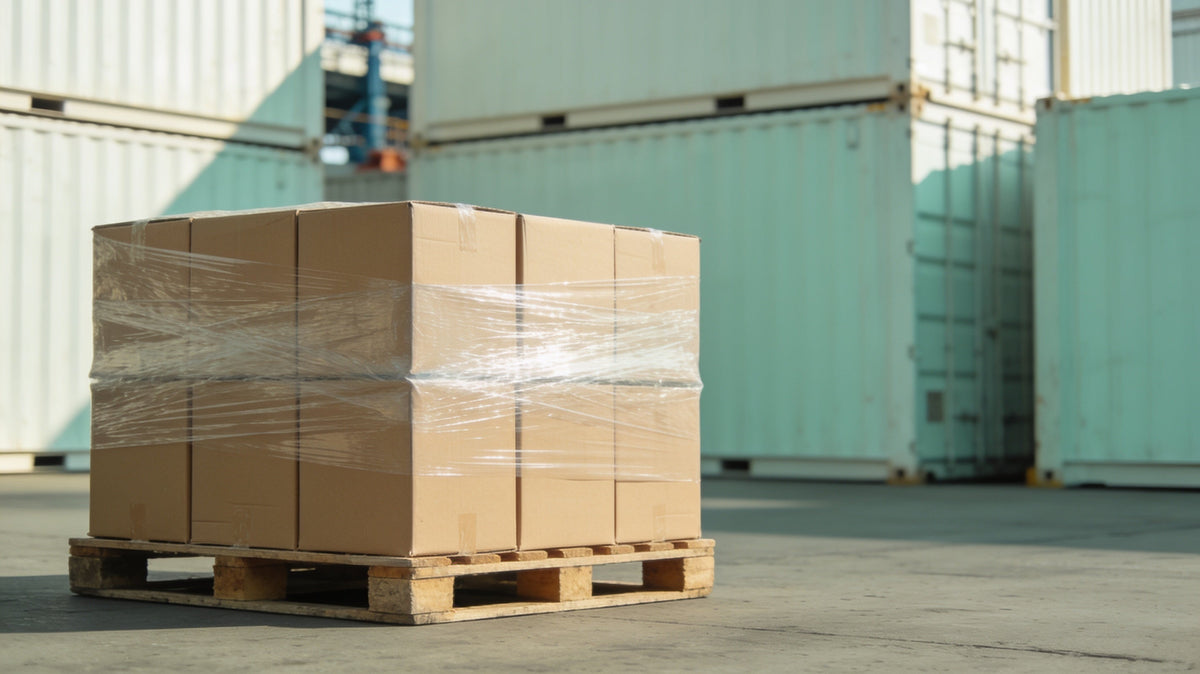
Exporting hotel amenities from India means matching each destination's rules on certification, labelling and product notification, preparing the right shipping documents, and packing goods to survive heat, cold and long transit. Halal certification matters for many GCC and South-East Asian buyers.
To export hotel amenities from India, align the formula and labels with the destination market's cosmetic rules, use INCI ingredient names and any required allergen and language declarations, supply Halal certification where buyers expect it, prepare complete shipping and product documents, and pack for heat, cold and long transit. A manufacturer that handles packing, documents and dispatch to the port removes much of the risk.
Hotels, resort groups and amenity distributors in the GCC, Africa, South-East Asia and the UK and EU increasingly source branded toiletries from India. Working with an export-ready hotel amenities manufacturer in India means the product, label and paperwork are planned together rather than fixed at the port. This guide explains what to plan for.
Step one: know your destination rules
Every market regulates cosmetics differently. Before artwork is finalised, the importer or brand owner should confirm:
- Whether products must be registered or notified with a local authority before sale or use
- Whether a local responsible person, importer of record or distributor must be named on the label
- Which ingredients are restricted or prohibited
- Labelling language requirements
- Whether Halal certification is required by the buyer or recommended for the market
For example, the EU and the UK require a responsible person and a product notification before cosmetics are placed on the market. Many GCC markets have their own registration and labelling expectations, including Arabic text. Rules change, so the importer's local regulatory adviser should confirm requirements for each country.
Halal for GCC and South-East Asia
Many hotel buyers in the GCC, Malaysia, Indonesia and other markets with large Muslim populations prefer or require Halal-certified personal care. Halal certification covers ingredient sourcing, processing and the absence of prohibited materials across the supply chain.
Harrods Health is Halal certified. Points to plan:
- Confirm early whether the buyer needs Halal, so fragrance and raw materials are chosen accordingly.
- Custom fragrances must also come from compliant sources.
- Ask which certificate copies your buyer or authority needs with each shipment.
- Decide whether a Halal mark should appear on the pack, as allowed by the certification body.

Labelling for export
INCI ingredient names
The International Nomenclature of Cosmetic Ingredients (INCI) is the standard used on cosmetic labels in many markets. Ingredients are listed by INCI name, generally in descending order of concentration, with specific conventions for ingredients at low levels and for colourants. Using INCI from the start avoids relabelling later.
Fragrance allergens
Some markets require named fragrance allergens to be declared on the label when present above set thresholds. Your manufacturer and fragrance supplier should provide allergen data for the final fragrance so the label can be built correctly. This is especially important for a custom signature scent; see creating a signature scent for your hotel amenity range.
Languages and small packs
Destination markets may require the label, or key parts of it, in local languages. A 30 ml mini has very little space. Common solutions include:
- A primary label with essential information and a secondary information leaflet or outer carton
- Bilingual layouts designed from the outset
- Peel-back or extended-content labels where permitted
- Different artwork versions per market on the same formula
Other label elements
- Product name and function
- Net content in the required units
- Batch code and date marking as required
- Name and address of the responsible party
- Country of origin
- Precautions for use where relevant
Shipping and product documents
| Document | Purpose |
|---|---|
| Commercial invoice | Value and description of goods for customs |
| Packing list | Contents of each carton and pallet |
| Certificate of origin | Confirms goods originate in India; may support duty treatment |
| Bill of lading or air waybill | Transport contract and receipt |
| Safety data sheets | Handling and transport information |
| Certificate of analysis | Batch test results against specification |
| Halal certificate | Where required by buyer or authority |
| Manufacturing and registration certificates | Evidence of licensed, registered manufacture where requested |
Some destinations ask for additional items such as free sale certificates or legalised documents. Confirm the list with the importer before goods are packed. Harrods Health prepares packing, documents and dispatch to warehouses or export ports; see fulfilment and export.
Certifications buyers ask about
Export buyers often request evidence of the manufacturing site. Harrods Health operates an ISO certified, GMP-compliant facility, is Halal certified, holds an AYUSH licence and a state FDA cosmetic manufacturing licence, and is a US FDA registered facility. Formulas can be supplied as dermatologically tested, with test reports on request. See quality and certifications.
Transit stability: protecting product on the journey
Sea freight can take weeks and pass through very hot ports and, in some routes, cold conditions. Products must arrive looking and performing as they did in the factory.
Formula stability
- Ask for stability observations at elevated temperatures and through temperature cycling, in the final pack.
- Check for separation, viscosity change, colour shift and scent change.
- Lotions and oils are more sensitive to heat than most washes.
Pack integrity
- Induction seals or liners under caps reduce leakage.
- Pumps should be locked or shipped with a transit cap.
- 5 L containers need secure closures and upright packing.
- Sachet seals should be checked for strength before packing.
Cartons and loading
- Use carton board strong enough for stacking over long journeys.
- Mark cartons clearly with product, quantity, batch and orientation.
- Consider moisture protection for humid routes.
- Avoid loading against container walls exposed to direct sun where possible.
Choosing formats for export programmes
Format choice affects freight as well as the room. Concentrated volume in 300 ml dispenser bottles and 5 L refills generally ships more efficiently than the same volume in thousands of minis, and fewer artwork versions are needed when labels must be translated. Sachets are light and compact but need well-sealed film for hot routes. Many importers stock a core of dispensers and refills, with a smaller quantity of printed minis for premium rooms. The full set of formats is in our hotel amenities collection, and branded options are explained on our custom packaging page.
Keeping one formula across formats and markets, and varying only the label, simplifies registration, stock management and reorders. It also means a hotel group operating in several countries offers guests the same product everywhere.
Planning lead times
Export orders add time for label development, document preparation, freight booking and customs. Lock artwork early, especially multilingual labels, and agree incoterms with your freight forwarder. If you are writing a tender for an export supply contract, see how to write a hotel toiletries tender.
Frequently asked questions
Is Halal certification necessary for hotel amenities in the GCC?
Many GCC hotel buyers prefer or require Halal-certified personal care. Confirm with your buyer early so raw materials and fragrance are chosen accordingly. Harrods Health is Halal certified.
Do hotel amenity labels need INCI ingredient names for export?
Most export markets expect ingredient lists in INCI names. Using INCI from the start avoids relabelling, and some markets also require fragrance allergens to be named.
What documents are needed to export hotel toiletries from India?
Typically a commercial invoice, packing list, certificate of origin, transport document, safety data sheets and certificates of analysis, plus Halal or other certificates where required. Confirm extra items with the importer.
How do you stop products leaking or separating in transit?
Use stability-tested formulas in their final packs, induction seals or liners, locked pumps, strong cartons and careful loading for hot or humid routes.
Exporting a hotel range? See our hotel toiletries manufacturing page and fulfilment and export services.
Related service: Hotel amenities manufacturing for your property →
Tell us your idea. An account manager replies within 1 business day.
More from Harrods Insights
Keep reading
Multilingual Labelling for Hotel Toiletries in South-East Asia: Languages, Small-Pack Layout and Halal Logo Rules

Sustainable Hotel Amenities in Singapore and South-East Asia: Refill Systems, PCR Plastic and Substantiating Green Claims