Ayurvedic and Herbal Amenities for Indian Luxury and Wellness Hotels
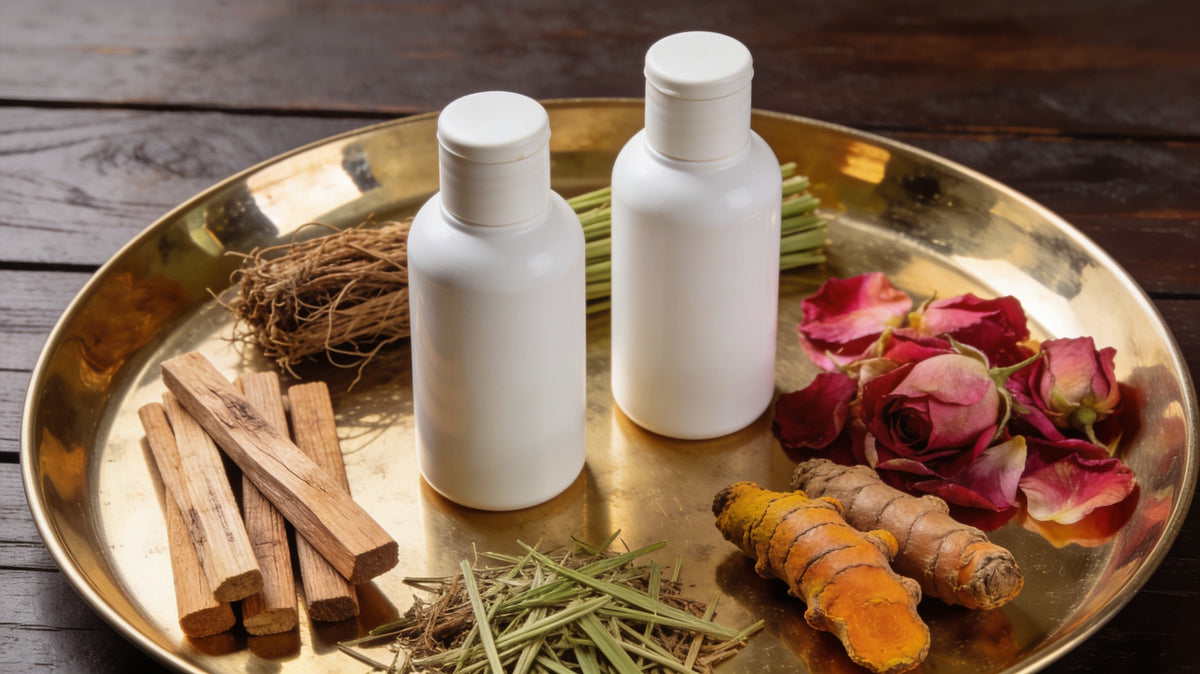
Most hotel amenities with herbal ingredients are cosmetics and should be described by scent and feel, not as remedies. Products made and sold as Ayurvedic medicines follow a separate AYUSH licensing route, which matters most for spa massage oils.
Indian luxury and wellness hotels can give guests amenities built around sandalwood, vetiver, rose, neem, turmeric, kokum and coconut, but most of these products are cosmetics and should be described by their scent and feel rather than as remedies. Products made and sold as Ayurvedic medicines follow a separate licensing route under AYUSH, which matters most for spa massage oils.
This guide is for hotel brand managers, spa directors and owners planning a herbal or Ayurveda-inspired range. It is general information, not regulatory advice. For the wider picture of buying amenities in India, see our India hotel amenities hub.
Why herbal amenities suit Indian hotels
Many guests, Indian and international, come to India expecting the country's botanical traditions to show up in their stay. A shower gel that smells of vetiver after a hot afternoon, a lotion with kokum butter in a dry desert winter, or a rose-scented range in a palace suite connects the room to the place. Wellness resorts, especially in Kerala, build whole stays around Ayurveda, and heritage hotels in Rajasthan often want scents with a local story.
Cosmetic or Ayurvedic medicine?
This is the most important decision in a herbal range, because it determines the licence, the label and what you may say about the product.
Cosmetics
Shampoo, conditioner, shower gel, body lotion and hand wash used to cleanse, care for or perfume the body are cosmetics under the Drugs and Cosmetics Act, 1940 and the Cosmetics Rules, 2020. A cosmetic can contain herbal extracts and essential oils and can mention them, but it should not claim to treat, cure or prevent disease. Most hotel amenities, however herbal their story, belong in this category.
Ayurvedic products
Ayurvedic, Siddha and Unani medicines are also regulated under the Drugs and Cosmetics Act, with manufacturing licensed through the state authority responsible for AYUSH systems. An Ayurvedic product follows its own labelling requirements and is made according to Ayurvedic texts or a proprietary Ayurvedic formula. An AYUSH licence relates to manufacturing these Ayurvedic products. Harrods Health holds an AYUSH licence alongside its state FDA cosmetic manufacturing licence.
| Question | Cosmetic amenity | Ayurvedic product |
|---|---|---|
| Typical hotel use | Room toiletries, hand wash, body lotion | Some spa oils and treatment products |
| Manufacturing licence | State cosmetic manufacturing licence | Licence for Ayurvedic manufacturing (AYUSH) |
| How it is described | Scent, texture, how skin and hair feel | According to its Ayurvedic basis, within the rules |
| Claims to avoid | Treating, curing or preventing disease | Claims beyond what the rules and evidence permit |
Decide at the brief stage which route each product follows. A shampoo can be inspired by Ayurveda and still be a cosmetic; calling it an Ayurvedic medicine changes everything about how it must be made and labelled.

Ingredient stories that work
The strongest herbal ranges are built on a small number of ingredients that guests recognise, described in sensory terms. Each of the following can be expressed through fragrance, through an ingredient in the formula, or both.
- Sandalwood. Creamy, soft and warm. Suits evening rituals, heritage suites and spa rooms. Sandalwood accords give the character where natural oil would be impractical.
- Vetiver (khus). Earthy, green and cooling to the senses. A natural choice for summer, desert properties and business hotels that want something calm.
- Rose. Classic, romantic and recognisable. Works for palace hotels, wedding properties and luxury suites.
- Neem. Green, slightly bitter and herbal. Best used in a light touch and blended with fresher notes, because guests find a strong neem scent medicinal.
- Turmeric. Warm and golden. Often better evoked through a warm spice accord and a golden tint than through a high level of the spice, which can stain towels and surfaces.
- Kokum. Kokum butter brings a rich, cushioning feel to body lotion, useful in dry climates and cool hill stations.
- Coconut. Familiar along the coasts of Goa and Kerala. Light coconut scents suit beach resorts, and coconut-derived ingredients are common in gentle cleansers.
Pair one or two of these with fresher notes such as lemongrass, cardamom or citrus to keep a range modern. For how to build a scent that runs across rooms, spa and public areas, see our guide to creating a signature scent amenity range.
Massage oils for hotel spas
Spa massage oil is where the cosmetic and Ayurvedic routes meet most often. Many Indian spas offer traditional oil massages, and therapists may expect oils with an Ayurvedic basis. Others simply want a pleasant, well-absorbed oil scented to match the rooms.
- Decide the route first. A massage oil sold and labelled as a cosmetic is described by scent and feel. An oil made as an Ayurvedic product follows the Ayurvedic licence and labelling route.
- Think about slip and absorption. Therapists want enough glide for a full treatment without a heavy residue. We adjust the base during sampling.
- Buy in bulk. Treatment rooms use oils in volume. Bulk packs reduce cost and waste.
- Link the scent to rooms. Using the same scent family across massage oil and room toiletries makes the spa feel part of the stay.
We manufacture spa massage oils for hotels; see our massage oil manufacturing page.
Claims to avoid
Herbal amenities attract claims that go too far. Keep these off labels, room cards and spa menus unless a product is legitimately registered for them and you have advice that the claim is permitted.
- Treats, cures or heals any condition, such as dandruff, eczema, acne, joint pain or insomnia.
- Boosts immunity, detoxifies the body or balances doshas, presented as a health outcome.
- Antibacterial, antifungal or germ-kill claims on a cosmetic cleanser.
- Chemical-free or 100% natural, unless every ingredient genuinely supports the statement.
- Dermatologically tested, unless a test has been done and a report is available.
Sensory language is safer and often more persuasive: warm, grounding, fresh, cooling to the senses, soft on the skin, a scent of rain on vetiver roots.
Packaging and presentation
A herbal range is let down by generic packaging. Earthy colours, botanical illustration and printed ingredient stories help, and dispensers can carry the same design. We manufacture and decorate packaging in-house and print your hotel branding on every format. Labels must still carry the particulars required for the product's category, alongside the design.
Documents to request
Ask any supplier for its cosmetic manufacturing licence and, for Ayurvedic products, its AYUSH licence; ingredient lists for each formula; manufacturing documentation; and test reports if products are described as dermatologically tested. Harrods Health supplies these on request. Our licences and certificates are listed on quality and certifications, and our guide to building a spa and resort amenity range covers range planning.
Frequently asked questions
Can we call our hotel shampoo Ayurvedic?
Only if it is made and labelled as an Ayurvedic product under the appropriate licence. Most hotel shampoos are cosmetics and should be described as Ayurveda-inspired or by their herbal ingredients and scent.
Do you hold an AYUSH licence?
Yes. Harrods Health holds an AYUSH licence, which relates to manufacturing Ayurvedic products, as well as a state FDA cosmetic manufacturing licence.
Which herbal scents suit business hotels?
Vetiver, lemongrass, light sandalwood and green tea read as calm and clean. Strong neem or heavy spice is better kept for spas and wellness resorts.
Can spa oils and room toiletries share a scent?
Yes. We can use one scent family across massage oils, shampoo, shower gel and lotion so the spa and the room feel connected.
Ready to plan a herbal range? Explore our private-label hotel toiletries service.
Related service: Hotel amenities supplier for hotels in India →
Tell us your idea. An account manager replies within 1 business day.
More from Harrods Insights
Keep reading

Shipping Hotel Amenities from India to Japan: Importer and MAH Roles, Customs, the India–Japan CEPA, Ports and Lead Times
Plastic Rules and Refillable Amenities in Japanese Hotels: The Plastic Resource Circulation Act, Dispensers, Refills and Onsen Wash Stations