
Shipping Hotel Amenities from India to Japan: Importer and MAH Roles, Customs, the India–Japan CEPA, Ports and Lead Times
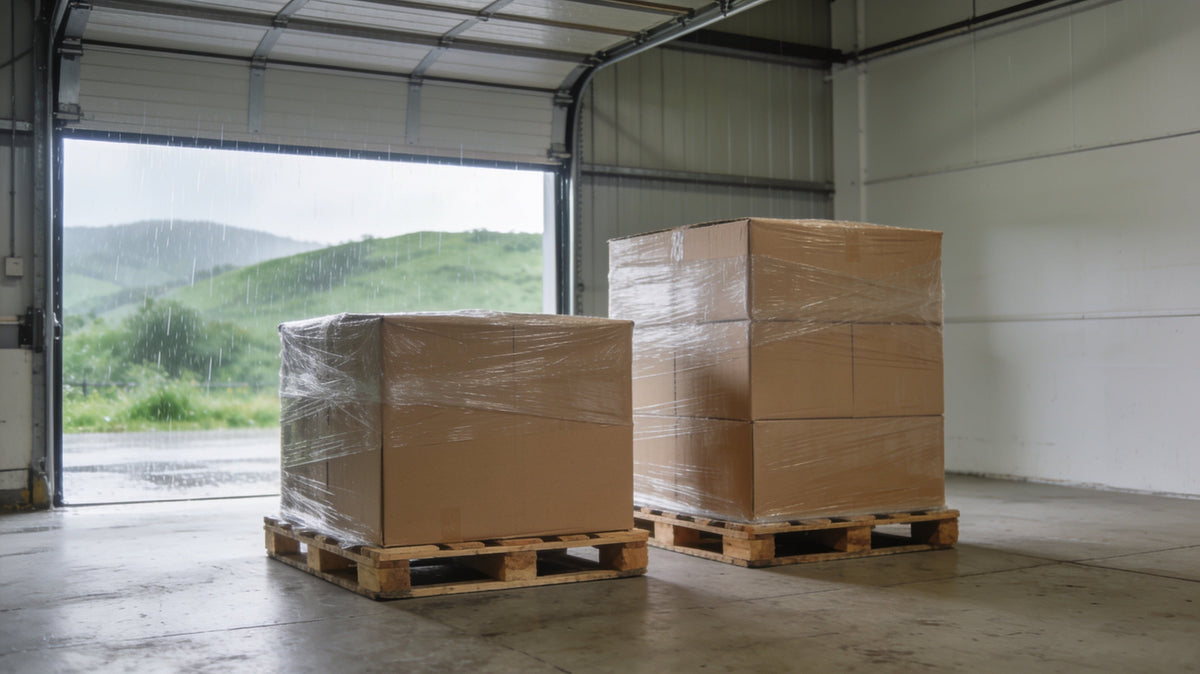
Hotel toiletries from India enter Japan through an importer, often the marketing authorisation holder or its partner, working with a customs broker on the declaration, tariff classification and consumption tax. The India–Japan CEPA exists, but whether preferential rates apply should be confirmed with the broker. Plan for humidity, winter cold and the holder's paperwork in your timeline.
Hotel toiletries shipped from India to Japan are imported by a Japan-based business, usually the marketing authorisation holder or its partner, which works with a customs broker to file the Japan Customs declaration, agree tariff classification and pay consumption tax on import. The India–Japan Comprehensive Economic Partnership Agreement exists; ask your broker whether preferential rates apply and what proof of origin is needed.
Shipping is the stage where regulatory planning becomes physical. If the marketing authorisation holder has not notified the products, if labels do not match, or if pallets are untreated, the container waits. This guide sets out the roles, documents, routes and climate risks in order. For our wider Japan offer, see the hotel amenities supplier page for Japan.
It is a planning guide, not customs advice. Rates, procedures and documents change. Confirm everything with your importer, customs broker and holder.
Who does what
| Party | Responsibilities |
|---|---|
| Harrods Health (exporter) | Manufacture, pack, palletise, prepare export documents and Indian export clearance |
| Freight forwarder | Books the sea freight, manages the container and coordinates arrival |
| Importer | Imports the goods; often the marketing authorisation holder or its partner |
| Marketing authorisation holder | Product notification, import-related notifications, label approval, release to market |
| Customs broker | Files the Japan Customs declaration, classification, duty and consumption tax |
| Hotel or distributor | Receives stock, stores it correctly and plans reorders |
The marketing authorisation holder and imports
Cosmetics in Japan are placed on the market by a Japan-based business with a cosmetics marketing licence. That holder takes legal responsibility, notifies each product to the prefectural authority before marketing and manages imports. In practice the holder, or a company working under its arrangements, is often also the importer of record. Make sure the importer named on your documents is the business your holder expects, and that product notifications are in place before goods are released for sale.
Harrods Health is the manufacturer and exporter. We are not the marketing authorisation holder and never describe our products as carrying Japanese approval.

Customs, classification and consumption tax
Your customs broker files the import declaration with Japan Customs. Key points:
- Tariff classification. Shampoos, shower gels, lotions and hand washes can fall under different headings. Agree the classification with your broker before the first shipment and use it consistently.
- Customs duty. Any duty depends on classification and origin. We do not quote rates; your broker will.
- Consumption tax. Japan charges consumption tax on imports, collected at clearance. Businesses can generally account for it through their tax returns, which is a question for the importer's accountant.
- Valuation. The commercial invoice must show accurate values, including how samples and free-of-charge goods are treated.
The India–Japan CEPA
India and Japan have a Comprehensive Economic Partnership Agreement, in force since 2011. It may offer preferential tariff treatment for goods that meet its rules of origin. Whether that applies to a particular shampoo or lotion, and what proof of origin Japan Customs will want, depends on classification and the agreement's rules. Ask your broker before shipping, and tell us early if a certificate of origin is needed so we can request it with the export documents.
Documents we prepare
- commercial invoice and packing list;
- bill of lading, via the forwarder;
- certificate of origin, if requested;
- ingredient lists and manufacturing documentation for the holder;
- facility certificates: ISO, GMP-compliance, Halal, AYUSH licence, state FDA cosmetic manufacturing licence and US FDA registration. See quality and certifications.
Our general guide to exporting hotel amenities from India covers the Indian side in more detail.
Ports and routes
Most sea freight from India to Japan arrives at one of the major container ports, such as Tokyo, Yokohama, Nagoya, Osaka or Kobe, with others serving Kyushu and regional areas. Properties in Hokkaido or Okinawa may be served directly or by domestic onward transport from a main port; your forwarder will advise. Our Hokkaido page covers winter considerations, and the Okinawa islands raise similar questions about resupply timing.
Pallets and packing
Use heat-treated wooden pallets marked to the international standard for wood packaging, or non-wood pallets. Japan's plant quarantine service can inspect wood packaging, and treated, marked pallets avoid problems. We stretch-wrap pallets, use cartons suited to the product weight and keep refills upright. For 5 L refills from our bulk packs range, stack heights are agreed so lower layers are not crushed.
Humidity, heat and winter cold
A container from India to Japan can pass through hot, humid conditions. Condensation inside the container, sometimes called container rain, can soften cartons and smudge labels. Desiccants, good carton board, wrapped pallets and moisture-resistant labels help.
At the other end, a Hokkaido winter can expose stock to freezing temperatures in transit or in unheated storage. Some emulsions, such as lotion and conditioner, can change texture after freezing and thawing. Discuss stability with us at the formula stage and plan delivery timing and heated storage with your forwarder.
Lead times, qualitatively
We do not quote standard delivery days, because the timeline depends on steps outside our control. In order, a first order typically involves:
- brief, sampling and any scent development;
- formula review against Japan's Standards for Cosmetics with the holder;
- Japanese label text from the holder, then artwork proofs and sign-off;
- product notification by the holder;
- packaging production, filling and quality checks;
- export clearance, sea transit and Japan Customs clearance;
- any release steps the holder carries out in Japan, then delivery.
Regulatory and artwork steps usually take longer than production for a first order. Repeat orders are faster because formulas, notifications and artwork are settled. For an opening date, work backwards and leave a margin.
Reorders and stock planning
Once the first shipment has landed, the aim is to never run short. A few habits help:
- Track usage by property and format, especially in the first season, and adjust reorder points as real consumption emerges.
- Reorder well before stock runs low, allowing for production, sea transit and clearance, plus seasonal peaks such as winter in ski areas and summer in beach resorts.
- Consolidate products into fuller containers where volumes allow; refills ship more efficiently than minis.
- Store refills in a cool, dry place, away from direct sun and freezing temperatures, and use older lots first.
- Tell us and your holder before changing any formula, scent or pack, because notifications and labels may need updating.
MOQ is quoted per item, so ask us to quote several formats together if you are planning a mixed container.
Halal
Some properties serving Muslim visitors ask for Halal documentation. Our facility is Halal certified, and our Halal hotel toiletries certification guide explains what that covers. Agree with the property which certificate it needs.
Frequently asked questions
Who should be the importer for hotel toiletries in Japan?
Usually the marketing authorisation holder or a partner working under its arrangements. Confirm that the importer on your documents matches what your holder expects.
Does the India–Japan CEPA make hotel toiletries duty-free?
It may offer preferential treatment for qualifying goods. Whether it applies, and what proof of origin is needed, depends on classification and the rules of origin. Ask your customs broker.
Is consumption tax charged on imported toiletries?
Yes, Japan charges consumption tax on imports at clearance. Your broker and the importer's accountant will advise on the amount and how it is recovered.
Which pallets should we use for Japan?
Heat-treated wooden pallets marked to the international wood packaging standard, or non-wood pallets.
See our fulfilment and export page or browse the hotel toiletries range.
Related service: Hotel amenities supplier for hotels in Japan →
Tell us your idea. An account manager replies within 1 business day.
More from Harrods Insights
Keep reading
Shipping Hotel Amenities from India to China and Hong Kong: Consignee, Broker, Customs Inspection, Documents and Seasonal Planning

Supplying Hotels in Hong Kong and Macau: How the Rules Differ from the Mainland, Safety and Trade Descriptions Law, Labelling and Practical Buying
