Ready Formula vs Custom Formulation: Which Route Suits a New Cosmetic Brand?
Published by Harrods Health Private Limited, a private label and contract manufacturer in Ambala, Haryana, India. By Hemang Jain, Founder, Anadoris.
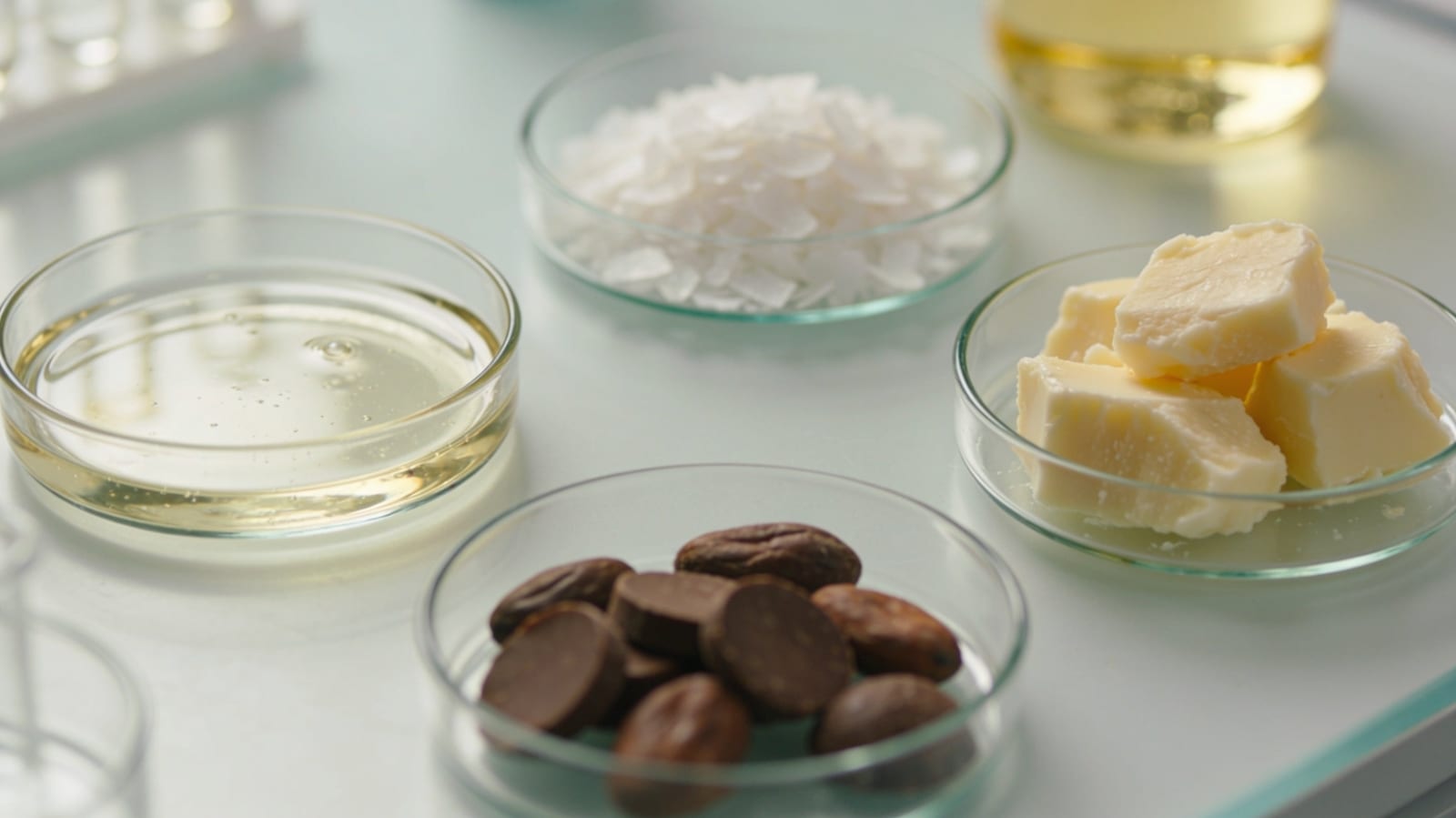
Choose a ready formula when speed and low commitment matter and the product is a familiar type. Choose custom formulation when you need a specific texture, active, claim or scent that a catalogue formula cannot give. Either way, formula and packaging must be approved together before bulk production.
Choose a ready formula when speed and low commitment matter and the product is a familiar type. Choose custom formulation when you need a specific texture, active, claim or scent that a catalogue formula cannot deliver, and plan for more time.
New brands often ask which route is safer. Neither is, on its own: both succeed when the brief is clear and the testing is honest. This guide compares the two routes, then shows how formula and packaging approval fit together. It is general information, not legal advice. If you are unsure about ownership terms, read who owns the formula in third-party manufacturing.
What is a ready formula?
A ready formula is a tested base the manufacturer already makes, which you can brand with your name, label and often your choice of fragrance or colour. It shortens the path to samples and keeps early commitment low. The trade-off is that other brands may buy similar bases, so differentiation comes from branding, scent, packaging and range design.
What is custom formulation?
In custom formulation the manufacturer's R&D team develops a formula to your brief: texture, feel, ingredient story, fragrance and target market. It takes longer, goes through sample rounds and stability testing, and may carry higher minimums. In return you gain more control and a stronger case for exclusivity.
How do the two routes compare?
| Factor | Ready formula | Custom formulation |
|---|---|---|
| Time to samples | Days to a couple of weeks | Typically 2 to 4 weeks, then revisions |
| Control over texture and actives | Limited to available options | High, within safety and rules |
| Exclusivity | Usually shared base | Can be agreed in writing |
| Commitment | Lower | Higher |
| Suits | Testing a market quickly | Distinct positioning |
How does formula and packaging approval work?
A formula can behave differently in different packs, so approve them as a pair. The usual order is below, and the full pipeline is covered in third-party manufacturing from brief to bulk.
- Write a brief: product, format, claims you hope to make, scent, market and timeline.
- Receive samples of a ready formula, or a first custom prototype.
- Test on real users and note changes in writing.
- Select packaging and run compatibility checks with the formula.
- Start stability testing in the final pack, as described in skincare stability and compatibility testing.
- Approve formula, pack, label text and artwork together, with a signed sample as the reference.
- Release the first batch and keep a retained sample.
How should you decide?
If the product is a standard cleanser, shampoo or body wash and your edge is brand and scent, a ready formula is a sensible start. If your idea depends on an unusual texture, a particular ingredient story or an exclusive formula, go custom. Many brands do both: ready formulas for the core range and one custom hero. Regulatory and claim questions apply to both routes, so confirm current rules with your regulatory adviser.
What a good brief contains
The quality of a sample depends heavily on the quality of the brief. A useful brief names the product type and format, the skin or hair type it is for, the texture and finish you want, and a few reference products with notes on what you like and dislike about each. It states fragrance direction, colour, the market you are selling into and the pack you have in mind. It also lists the claims you hope to make, so the formulator can avoid ingredients or positions that would cause problems later. The more specific the brief, the fewer sample rounds you will need.
Be honest about priorities. If cost, speed and texture all matter, say which matters most, because trade-offs are unavoidable. A formulator can suggest alternatives only when they know what you will accept.
Common mistakes in formulation projects
Brands often approve a sample in a lab jar and then change the pack, which alters how the product behaves. Others change the fragrance late and forget to repeat stability tests. A third mistake is treating the first good sample as final: keep a signed reference sample and use it to judge every batch. Finally, do not let claims drift. A claim added to the artwork after approval may need new evidence, so check wording with your regulatory adviser before it goes to print.
Think about future moves too. If you may switch factories one day, agree how the formula and documentation would be handed over. The guide to switching cosmetic manufacturers shows what to request, and the complete guide to third-party cosmetic manufacturing in India covers the wider process.
Budget and timeline planning
Plan time as well as money. A ready formula can move from sample to first batch quickly, but packaging, artwork and label approvals often set the real schedule. Custom work adds sample rounds and stability testing, so build in buffer before any launch date, event or campaign. Ask the manufacturer for a written timeline that names who does what at each stage, and treat delays in your own approvals as part of the plan.
Whichever route you choose, put the specification, the approved sample and the agreed claims in one shared folder, and ask the manufacturer to confirm in writing that the first batch matches them.
Where Harrods Health fits
Harrods Health Private Limited is a private label and contract manufacturer in Ambala, Haryana, India, with an in-house R&D lab and both routes available. Ready formula samples are free for qualified brands and dispatched in 5 to 7 days; production lead time is 15 to 25 working days after formula and packaging approval. See ready-to-market formulas or custom formulation.
Related service: Ready formulas you can brand →
Tell us your idea. An account manager replies within 1 business day.
More from Harrods Insights