Small-Batch Private Label Cosmetics in India: How a New Brand Can Start
Published by Harrods Health Private Limited, a private label and contract manufacturer in Ambala, Haryana, India. By Hemang Jain, Founder, Anadoris.
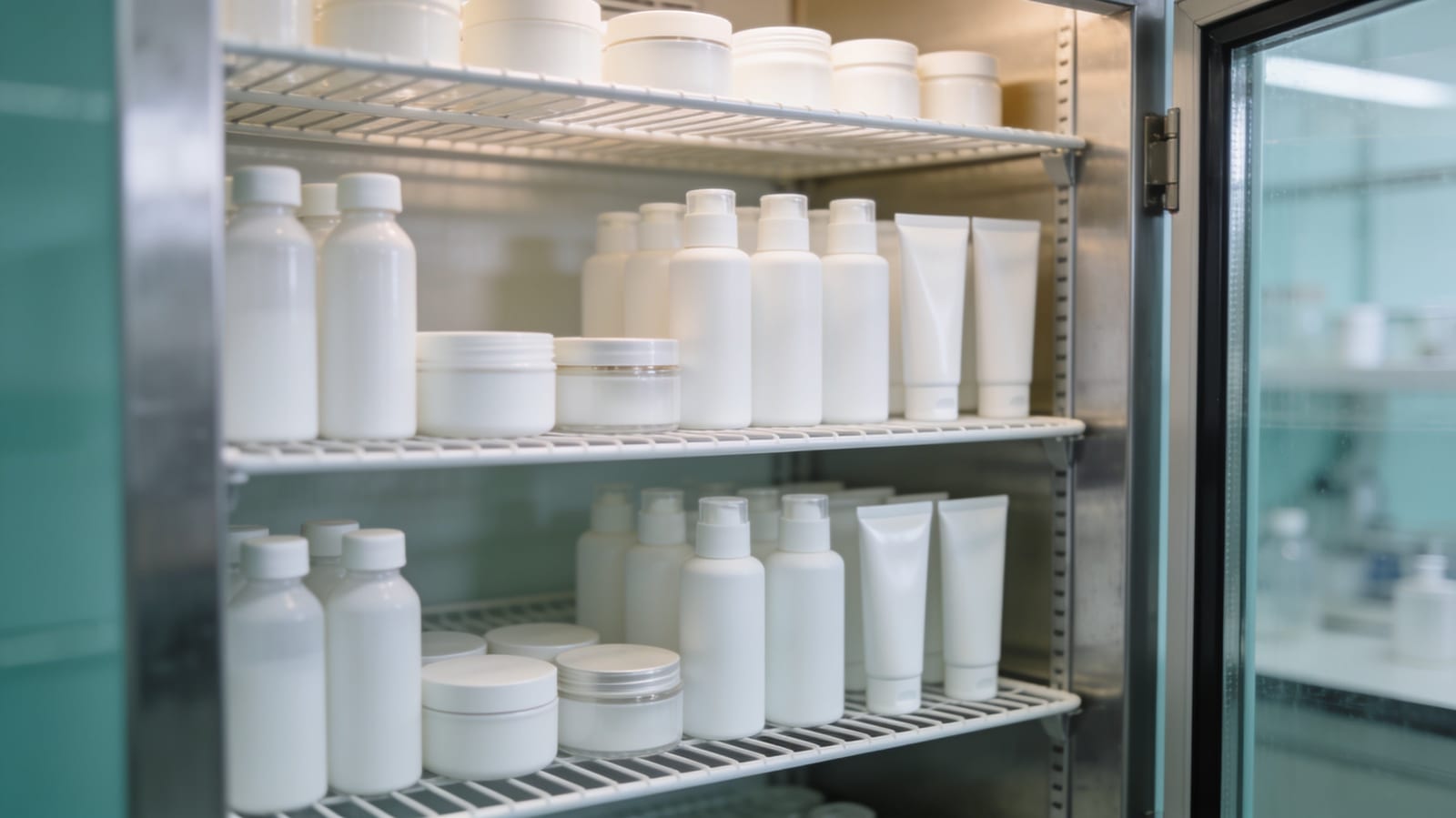
A new brand can start small in India by choosing ready formulas, stock packaging and a narrow range of one to three products. Minimum quantities are set by product and packaging, so ask each manufacturer how they are calculated and confirm them in writing before you commit to design work.
A new brand can start small by choosing ready formulas, stock packaging and a range of one to three products. Minimum quantities are set by product and packaging, so ask every manufacturer how they are calculated and get the answer in writing.
Small-batch private label is the most common route for founders who want to test a brand without tying up cash. It works when the product is simple, the packaging is standard and the plan is honest about demand. This guide covers what shapes a small first order and how to keep risk low. It is general information, not legal advice. For the full launch picture, read how to start a skincare brand in India.
What makes a first order small or large?
Four things drive the minimum a factory will accept. The formula type matters, because a ready formula already exists and a custom one must be developed and tested. The batch size of the mixing equipment matters, because tanks have practical working volumes. The packaging matters, because stock components can be bought in small lots while custom items often need larger runs. The fill format matters, because a jar, a tube and an airless pump each run differently. Quantities are quoted by product and packaging.
Which choices keep a first batch small?
| Choice | Lower commitment option | Higher commitment option |
|---|---|---|
| Formula | Ready formula, brand name on label | Custom formula developed for you |
| Packaging | Stock bottle, jar or tube | Custom mould or tooling |
| Decoration | Printed label | Screen printing or hot stamping |
| Range | One to three products | Full range at launch |
| Fragrance | Existing scent | Bespoke scent brief |
Higher commitment is not wrong; it simply needs proven demand first. The guide to stock vs custom packaging explains the trade-off in detail.
How to plan a small-batch launch step by step
- Pick one hero product and at most two companions that share a base or scent.
- Choose ready formulas so development time and cost stay low.
- Select stock packaging and decide how the brand will show up: label, carton or outer box.
- Ask the manufacturer to state the quantity for each product and what drives it.
- Order samples, test them on real users and approve one version in writing.
- Place a first order sized to what you can sell in one planning period.
- Keep retained samples and record batch numbers for traceability.
- Agree how reorders will be forecast and scheduled.
Reorders are where small brands often stumble, so read forecasting and reorders with a contract manufacturer before you place the first order.
Common mistakes
Founders sometimes pay for custom packaging before proving the product sells, or launch six products when two would test the idea. Others skip stability and safety checks to save time; a small batch still needs them, as described in stability and safety testing before launch. A further trap is judging a factory only on its lowest quantity. Consider sample quality, communication and consistency as well.
How to protect cash in a small launch
Cash is the real constraint for most new brands, and a small batch only helps if the rest of the plan is equally careful. Start by listing every cost between the factory and the customer: the product itself, packaging, labels, testing, shipping, storage, marketing and returns. Then work backwards from how many units you can sell in a realistic planning period, not from the lowest quantity a factory will accept. If the two numbers differ, the factory quantity should not drive the decision; instead, ask whether a different pack or a ready formula brings the minimum closer to your demand.
Shelf life is the second constraint. Natural-feeling products with delicate preservation or fresh ingredients may have shorter useful lives, so unsold stock can become a loss. Ask the manufacturer for the shelf life of each product in your chosen pack, store stock as advised and rotate it. Sell the oldest units first and record batch numbers so you can trace any complaint.
When to move beyond a small batch
Scale up once a product has sold through more than one batch, reviews and repeat purchases are steady and the cost of the next step is clear. At that point custom packaging, a bespoke fragrance or a custom formula can make commercial sense. Until then, protect your flexibility. Agree a reorder process, keep your approved sample and specification on file and review the quality of each delivery against it. A manufacturer that handles small orders well, communicates clearly and delivers consistent product is a better long-term partner than one that simply quotes the lowest number.
For the wider context of choosing a partner, see the complete guide to third-party cosmetic manufacturing in India.
Be wary of treating a small batch as a trial of the factory only. It is also a trial of your sales plan, your pricing and your customer service, so set a simple measure of success before the product ships, such as sell-through in a fixed period, and review it honestly.
Where Harrods Health fits
Harrods Health Private Limited is a private label and contract manufacturer in Ambala, Haryana, India. Free samples of ready formulas go to qualified brands and are dispatched in 5 to 7 days, and production lead time is 15 to 25 working days after formula and packaging approval. Minimum order quantities are quoted by product and packaging and confirmed on enquiry. Browse ready formulas or ask about a first batch.
Related service: Contract and third-party manufacturing for your brand →
Tell us your idea. An account manager replies within 1 business day.
More from Harrods Insights