
Importing Hotel Toiletries into Mainland China: CSAR, NMPA Filing, the Domestic Responsible Person and What the Manufacturer Supplies
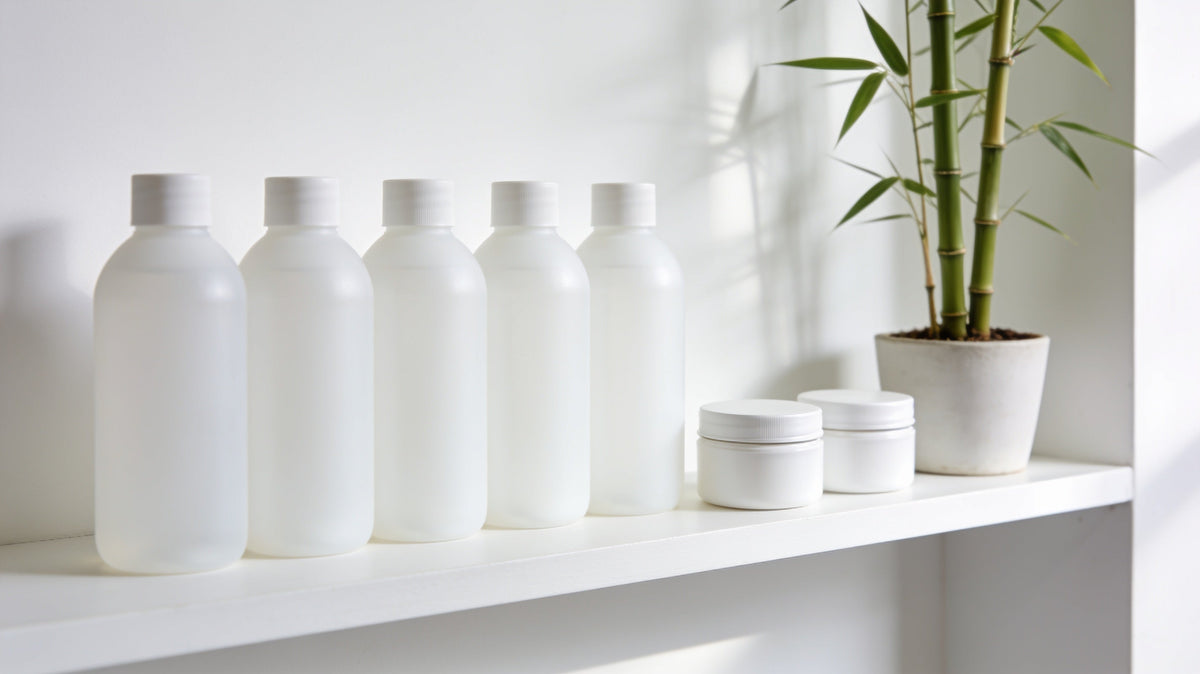
Hotel shampoo, shower gel and body lotion are usually general cosmetics under China's CSAR and must be filed with the NMPA before import. Only a China-based domestic responsible person can file; the overseas manufacturer supplies the formula, ingredient list and manufacturing documents.
Imported hotel toiletries such as shampoo, conditioner, shower gel and body lotion are usually general cosmetics under China's Cosmetics Supervision and Administration Regulation (CSAR), and must be filed with the National Medical Products Administration (NMPA) before import. Only a China-based domestic responsible person can file. The overseas manufacturer's job is to supply the formula, ingredient list and manufacturing documentation that person needs.
This guide is for hotel groups, management companies, owners and amenity distributors bringing private-label toiletries into mainland China. It explains the framework in plain terms. It is not legal advice, and the detail changes, so confirm current requirements with your domestic responsible person, importer, customs broker or a regulatory consultant. For an overview of our supply to the region, see our China hotel amenities page.
The framework: CSAR and the NMPA
The CSAR came into force in January 2021 and replaced the earlier hygiene-based rules. It is supported by a set of implementing measures covering registration and filing, labelling, efficacy claims, safety assessment and production. The NMPA oversees the system nationally, and provincial medical products administrations handle much of the day-to-day supervision.
The regulation does not distinguish between a shampoo sold in a shop and one placed in a hotel bathroom in the way buyers sometimes hope. If a product is a cosmetic and is supplied in mainland China, the rules generally apply. Whether any specific relief exists for complimentary hotel products is a question for your responsible person, not an assumption to build a launch around.
General or special: where hotel toiletries sit
The CSAR splits cosmetics into two categories. General cosmetics are filed, which is a notification, before import. Special cosmetics need registration, which is a fuller review before the product can be imported. Special cosmetics include hair dyes, perms, whitening and spot-fading products, sunscreens, anti-hair-loss products and products claiming a new efficacy.
| Hotel product | Usual category | What can change it |
|---|---|---|
| Shampoo, conditioner, 2-in-1 | General | An anti-hair-loss claim makes it special |
| Shower gel | General | Claims beyond cleansing need evidence |
| Body lotion | General | Whitening or sun-protection claims make it special |
| Hand wash | Usually general | Antibacterial or disinfecting claims may bring other rules; check |
| Spa massage oil | Usually general if used as a cosmetic | Therapeutic claims are not acceptable; confirm classification |
Harrods Health does not make sunscreens, hair dyes or whitening products. A standard hotel range from us therefore sits in the general category, provided the claims on the label stay within what a general cosmetic can say. The quickest way to turn a simple filing into a registration is to add an ambitious claim late in the artwork process.

The domestic responsible person
An overseas company cannot file or register cosmetics in China in its own name. It must appoint a domestic responsible person, a legal entity based in mainland China, to act for it. That entity files the product, holds the technical file, appears on the label and takes on legal responsibilities for the product on the market, including dealing with adverse reaction reports and regulator questions.
Who usually takes the role
In hotel supply there are three common choices. A hotel group with its own China entity may appoint that entity. An importer or amenity distributor may take the role for the products it brings in. Or the brand owner may use a specialist regulatory service provider. Each works; what matters is that the responsible person is competent, stable and willing to stay on the label for the life of the product.
Who the brand owner is
For private-label amenities, the hotel or its group is usually the brand owner, and Harrods Health is the manufacturer. Agree early who is named as what on the filing and the label, because changing it later means changing artwork and possibly the filing.
Filing a general cosmetic
A filing is submitted online by the responsible person before the product is imported. The dossier typically includes the product name in Chinese, the full formula, label artwork, manufacturing information, a product safety assessment, the product's technical requirements and the basis for any efficacy claims. Exact contents and formats change, so let the responsible person set the list. Once filed, the product is not approved in the way a medicine is; it is notified and remains subject to checks.
Product safety assessment
Every product needs a safety assessment before it is placed on the market. It looks at each ingredient, any risk substances that might be present, and the finished product as used. The responsible person arranges it, usually with a qualified assessor, and it draws heavily on the manufacturer's data: the formula with percentages, ingredient specifications, raw material safety information and stability data.
Ingredients and the inventory
China maintains an inventory of existing cosmetic ingredients. Ingredients not on it are treated as new ingredients and need their own registration or filing, which is slow. For hotel products this mostly matters for botanical extracts. Ayurvedic and Indian-inspired spa ranges can include plant extracts that are familiar in India but less common in China, so we check our ingredient list against your responsible person's review before development goes far.
Animal testing
Animal testing was a well-known barrier for imported cosmetics. The rules changed in 2021, and imported general cosmetics may now be exempt if the company provides specified documents, such as evidence of the production quality system from the country of manufacture and a satisfactory safety assessment. The detail matters and has been refined over time, so confirm what your responsible person needs from us.
What the manufacturer supplies
Our part is documentation and consistency. On request we supply:
- The full formula, with ingredient percentages, shared with the responsible person under confidentiality.
- The full ingredient list, so the responsible person can map each ingredient to its standard Chinese name.
- Manufacturing documentation, including process outline and quality control information.
- Facility certificates: US FDA registered facility, Halal, ISO, GMP compliance, AYUSH licence and our Indian state FDA cosmetic manufacturing licence. See quality and certifications.
- Dermatological test reports, where a formula is supplied as dermatologically tested.
We do not file with the NMPA, and we do not describe our products as approved in China. The filing belongs to your responsible person.
A practical sequence
- Appoint the domestic responsible person and agree roles on the label.
- Agree the product list and claims, keeping each product general.
- Develop or select formulas; we share ingredient lists early for an inventory check.
- Supply documents for the safety assessment and filing.
- The responsible person prepares Chinese label artwork; we print it on packaging we make in-house.
- The responsible person files; production follows on an agreed schedule.
- Your importer and customs broker handle declaration and inspection.
For regional differences in property mix and scent, see our Shanghai and East China guide. For the export side, read exporting hotel amenities from India.
Frequently asked questions
Can Harrods Health be the domestic responsible person?
No. The responsible person must be a legal entity based in mainland China. We supply documents to that entity.
Is filing the same as approval?
No. Filing is a notification for general cosmetics. Registration, a fuller review, applies to special cosmetics. Neither should be described loosely as approval on marketing material.
Do complimentary hotel toiletries need filing?
Assume the rules apply unless your responsible person confirms otherwise in writing for your specific products.
Can an anti-hair-loss shampoo go in a hotel range?
It would be a special cosmetic needing registration, which takes longer and needs more evidence. Most hotels keep shampoo claims to cleansing and conditioning.
Explore our hotel toiletries range and hotel amenities collection, or see how we ship on our fulfilment and export page.
Related service: Hotel amenities supplier for China, Hong Kong and Macau →
Tell us your idea. An account manager replies within 1 business day.
More from Harrods Insights
Keep reading
Shipping Hotel Amenities from India to China and Hong Kong: Consignee, Broker, Customs Inspection, Documents and Seasonal Planning

Supplying Hotels in Hong Kong and Macau: How the Rules Differ from the Mainland, Safety and Trade Descriptions Law, Labelling and Practical Buying
