Exporting incense to the EU, UK and USA: labelling and safety requirements for buyers

Incense in the EU, UK and USA is covered by general product safety law, not one incense-specific rule, and fragranced incense may need CLP hazard labels. Buyers should plan for a safety assessment, burning warnings, market-specific label details and adviser sign-off before printing.
Incense sold in the EU, UK and USA is covered by general product safety law rather than one incense-specific regulation, and fragranced incense can also need chemical hazard labelling. At the time of writing, buyers usually check four things: a documented safety assessment, CLP-style hazard labelling where the fragrance triggers it, clear burning instructions and warnings, and the label details each market asks for. This guide sets out what to ask your manufacturer and your compliance adviser.
It is written for importers, wholesalers and retailers planning a private label range of incense sticks, cones or dhoop. It is general information, not legal advice. Rules change, so check with your importer of record or a compliance adviser before you finalise artwork.
What counts as incense for compliance purposes
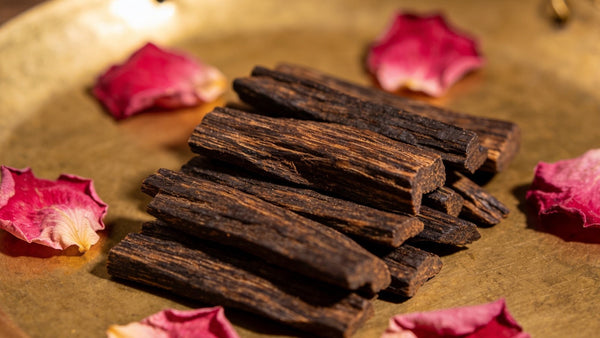
Most incense formats share a simple structure: a combustible base such as wood powder, charcoal or a plant-based binder, a carrier such as a bamboo stick, and a fragrance. Masala sticks and dhoop are rolled or extruded pastes. Cones are pressed shapes. From a regulatory point of view, the fragrance matters because fragrance materials are chemical mixtures. The burning matters because the product is designed to smoulder inside a home.
That gives two separate lines of questions. Is the product safe in normal and reasonably foreseeable use? And does the fragrance or the finished product need hazard classification and labelling under chemical rules?
European Union: product safety under the GPSR
The General Product Safety Regulation (EU) 2023/988 has applied since 13 December 2024. It covers consumer products that are not governed by more specific EU safety law, and incense generally falls into that space. A product placed on the EU market needs an economic operator established in the EU who is responsible for it, which in practice is often the importer. That operator's name and contact details, plus product identification such as a batch or type number, need to appear on the product or its packaging. Instructions and safety information must be in the language required by the member state where the product is sold.
The GPSR also expects an internal risk analysis and technical documentation. For incense, buyers usually build this around fire risk, the stability of the stick or cone in its holder, ash fall and indoor emissions. EN 16738 is a European test method for emissions from combustible air fresheners, and some retailers ask whether a product has been tested to it. Check the standard's scope with your test laboratory, as it does not cover every format. Consumer organisations in several EU countries have published emission tests on incense, so expect questions on this.
European Union: CLP and REACH
Fragrance compositions often contain substances classified as skin sensitisers or as hazardous to the aquatic environment. Where a product is a mixture that meets the classification criteria, the CLP Regulation requires a hazard label with pictograms, a signal word, hazard and precautionary statements and supplier details. Whether finished incense is treated as a mixture or as an article is a question to settle with your adviser, because the answer decides whether a CLP label is needed at all. Most buyers start from the fragrance house's safety data sheet and IFRA certificate for the oil.
CLP was revised by Regulation (EU) 2024/2865, which adds new formatting rules such as minimum font sizes. A later amendment postponed several of those dates, with many now set for 1 January 2028 at the time of writing. Check EUR-Lex for the current position before you lock artwork.
REACH applies to the substances in the fragrance. The EU importer may have registration duties for substances imported above one tonne a year, and REACH Annex XVII lists restricted substances. Ask your supplier to confirm in writing that no restricted substances are used above permitted limits.
United Kingdom: GPSR 2005 and GB CLP
In Great Britain, consumer product safety still sits mainly with the General Product Safety Regulations 2005 at the time of writing. The Product Regulation and Metrology Act 2025 gives the government powers to update product rules through secondary legislation, so watch for changes. Northern Ireland follows the EU GPSR.
Chemical labelling in Great Britain follows GB CLP, enforced by the Health and Safety Executive. GB CLP started from the same text as EU CLP, but the two now differ in places, including some classifications. A combined EU and UK label is often possible, but confirm it rather than assume it. GB CLP labels are expected to carry the name and address of a GB-based supplier.
United States: labelling, origin and Proposition 65
There is no federal incense standard. Several rule sets usually come into play.
- Fair Packaging and Labeling Act. For household consumer commodities, the FTC's FPLA rules ask for a statement of identity, the name and place of business of the manufacturer, packer or distributor, and net quantity in both metric and US customary units. Incense is often declared by count or by weight. Check with your adviser how the rules apply to your format.
- Country of origin. US Customs rules in 19 CFR Part 134 require imported articles, or their containers, to be marked with the country of origin so the ultimate purchaser can see it. For retail packs, that usually means "Made in India" on the consumer pack itself.
- Hazardous substances labelling. The Federal Hazardous Substances Act, administered by the CPSC, can require cautionary labelling on household products that are flammable or otherwise hazardous. Ask your adviser whether your product triggers it.
- California Proposition 65. Burning organic material can release substances on the Proposition 65 list. Many importers selling into California take advice on whether a warning is needed. That is a judgement for your compliance adviser, not something a manufacturer can make for you.
Burning-safety warnings buyers commonly ask for
Whatever the market, retailers expect clear use instructions on pack. Typical wording covers the following points.
- Burn in a heat-resistant holder made for incense, on a stable, non-flammable surface.
- Never leave burning incense unattended. Keep away from children and pets.
- Keep away from curtains, furniture and anything that can catch fire.
- Use in a well-ventilated room.
- Make sure the incense is fully extinguished after use.
Keep the wording factual. Do not add claims about mood, sleep, air quality or spiritual benefit. In several markets those claims can move a product into a different regulatory category or breach advertising rules, and they are hard to substantiate.
Packaging and documents to plan for
Incense packs are small, and the label has a lot to carry. Plan space for:
- product name and format, for example "Incense sticks, 20 pieces";
- importer or responsible person details for each market;
- a batch code that links back to production records;
- country of origin;
- safety instructions and, where needed, hazard pictograms and statements;
- translations for each member state you sell in.
Fragrance can transfer through thin card, and sticks can break in transit. Inner sleeves, sealed flow wrap or a rigid box all help. Our custom packaging team develops pack formats to your brief. On the document side, ask for a safety data sheet for each fragrance, an IFRA certificate where available, a product specification and any test reports you commission. For freight and export paperwork, see fulfilment and export.
Questions to ask your manufacturer
- Which fragrance oils are used, and can you share the safety data sheet and IFRA certificate for each?
- What is the base and binder, and is the stick or carrier treated or dyed?
- How are burn time and consistency checked between batches?
- Can you produce artwork to our adviser's label text for each market?
- Can you arrange third-party testing at a laboratory we choose?
Harrods Health develops private label incense to your brief at our facility in Ambala, Haryana. The facility is ISO certified, GMP-compliant and holds HACCP, Halal, Kosher and AYUSH certifications plus a state FDA cosmetic manufacturing licence. These are facility certifications and are not specific to incense; see quality and certifications. If you also stock candles, our EU candle labelling guide covers the candle standards. You can explore the wider candles, incense and potpourri range or read how we work with importers and retailers.
Frequently asked questions
Is there an EU regulation written specifically for incense?
Not a dedicated product safety regulation at the time of writing. Incense generally falls under the General Product Safety Regulation, with CLP and REACH covering the chemical side. EN 16738 is a European test method for emissions from combustible air fresheners; check its scope for your format with a test laboratory.
Does fragranced incense need a CLP hazard label?
It depends on the fragrance composition and concentration, and on whether the finished product is treated as a mixture or an article. Your compliance adviser should review the fragrance safety data sheet and decide. It is sensible to leave pack space for a hazard label until that decision is made.
What does a US retail incense pack usually need to show?
Generally a statement of identity, the name and place of business of the responsible company, net quantity in metric and US units where the FPLA applies, and the country of origin. Federal hazardous substances labelling and California Proposition 65 may also apply, so take advice before printing.
Can we say our incense helps people relax or sleep?
We advise against it. Health, therapeutic or spiritual-benefit claims can bring a product under other rules and need evidence. Describe the fragrance, the format and the burn instructions instead.
Can Harrods Health share MOQs and lead times for incense?
Minimums and timings depend on format, fragrance, packaging and quantity, so we quote per brief. Send your brief through our contact page and we will discuss the options with you.
Related service: Private label incense manufacturing →
Tell us your idea. An account manager replies within 1 business day.
More from Harrods Insights