Exporting potpourri and dried botanicals: phytosanitary rules, labelling and documents
Potpourri is caught by plant health rules for its botanicals and by chemical labelling rules for its fragrance. Whether you need a phytosanitary certificate or permit depends on each ingredient, its processing and the destination, so agree a full botanical component list before you check each market.
Potpourri sits under two sets of rules at once. The dried plant material can fall under plant health and biosecurity controls, and the fragrance oil can need chemical hazard labelling. At the time of writing, whether you need a phytosanitary certificate or an import permit depends on the botanicals used, how they have been processed, the country of origin and the destination. Agree the ingredient list first, then check each market before you ship.
This guide is for importers, wholesalers and gift retailers planning private label potpourri or dried-flower blends. It is general information, not legal advice. Plant health rules change often, so confirm requirements with your customs broker, your importer of record or the plant health authority in the destination country.
Why the ingredient list drives everything
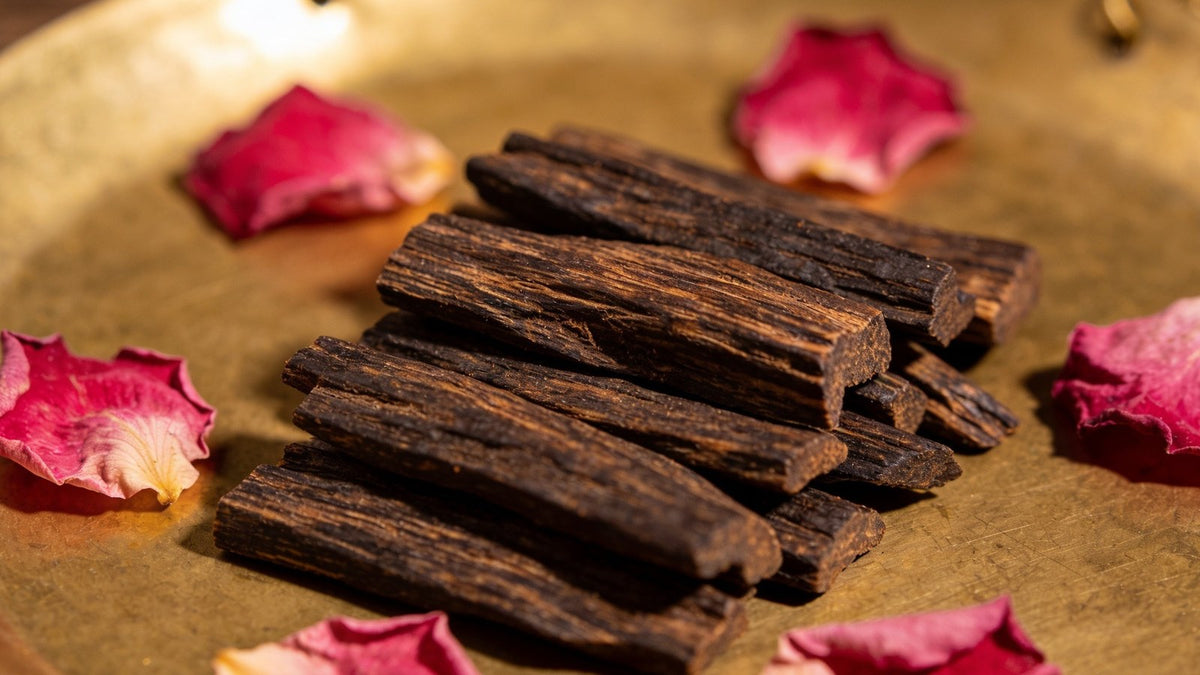
Plant health authorities assess risk by plant type, plant part and processing. A blend of dried rose petals, orange peel, cinnamon bark, pine cones and wood curls contains several distinct plant products, and each can be treated differently. Bark and wood get particular attention because they can carry wood-boring pests. Seeds and seed heads can be a concern where they might germinate. Soil, live insects and fresh material are a problem in every market.
So the first document to agree with your manufacturer is a full component list. It should give the botanical (Latin) name of every plant, the plant part, its origin, and how it was dried or treated. Without it, neither you nor your broker can check the rules properly.
Processed versus unprocessed plant material
Most plant health systems distinguish raw plant material from material processed to the point where it no longer carries a pest risk. Drying, heat treatment, dyeing, bleaching, coating or soaking in oil can all change how a product is assessed, but none of them gives an automatic exemption. Each authority decides what counts as sufficiently processed. Keep records of any kiln drying, heat treatment or fumigation, because inspectors may ask for them.
European Union
EU plant health rules sit in Regulation (EU) 2016/2031 and Implementing Regulation (EU) 2019/2072. Annexes XI and XII of the 2019 regulation list the plants and plant products that need a phytosanitary certificate to enter the EU, identified by commodity code and origin. The European Commission's plant health pages explain the framework. Some national authorities indicate that processed plant parts generally fall outside certificate requirements, but the legal test is whether your product's code appears in the annexes. Wood and bark components deserve a careful check.
Where a certificate is needed, it is issued by the plant protection organisation of the exporting country after inspection. In India that is the Directorate of Plant Protection, Quarantine and Storage. Build inspection time into your shipping plan.
United Kingdom
Great Britain groups plants and plant products into high risk, medium risk A and medium risk B categories, and the category sets the paperwork. According to gov.uk guidance, importers of high risk and medium risk A goods register on IPAFFS, pre-notify the Animal and Plant Health Agency and upload the phytosanitary certificate. The certificate must be issued within a short window around the date the consignment leaves the exporting country; check the current limit in the gov.uk guidance before you book freight. Look up the category for each component, or ask the APHA helpline, before you book freight.
United States
At the time of writing, the USDA APHIS list of generally authorised non-propagative plant products includes potpourri and potpourri ingredients made solely of aromatic plant parts with a fixative of plant origin. These do not need an APHIS import permit. Every consignment is still subject to inspection by Customs and Border Protection at the port of entry. If your blend contains other items, such as wooden decorations, synthetic fixatives or seeds, check the APHIS Agricultural Commodity Import Requirements database for each one. If any botanical is listed under CITES, separate permits apply; most common potpourri ingredients are not listed, but check.
Australia and New Zealand
Australia has one of the strictest biosecurity regimes in the world. Dried and preserved cut flowers and foliage are inspected on arrival to confirm they are free from pests and are genuinely dried, not fresh. A species list applies, and some goods need an import permit or treatments such as fumigation or irradiation. Importers check each species in BICON, the Australian import conditions database. New Zealand also runs a strict system through its Ministry for Primary Industries. For both markets, design the recipe around what the rules allow, rather than trying to fit an existing blend afterwards.
Fragrance oil: CLP, REACH and product labelling
Potpourri is usually scented with fragrance or essential oil blends. In the EU and Great Britain, if the finished potpourri or a refresher oil sold with it meets the classification criteria, CLP or GB CLP hazard labelling applies. Refresher oil bottles are mixtures and almost always need a classification check. Depending on the classification, CLP can also require child-resistant fastenings and tactile warnings. REACH applies to the substances in the oil, and the EU importer may have registration duties.
For consumer safety, potpourri in the EU generally falls under the General Product Safety Regulation, and in Great Britain under the General Product Safety Regulations 2005 at the time of writing. Typical on-pack information includes the responsible person's details, a batch code, "decorative product, not for consumption", "keep away from children and pets" and "keep away from naked flames". In the USA, retail packs usually need the FPLA statement of identity, responsible company and net quantity, plus country of origin marking.
Keep descriptions to scent and appearance. Avoid claims about mood, sleep or air quality.
Packaging
Dried botanicals are fragile and absorb moisture, and fragrance fades if packs are not sealed. Barrier film bags, rigid jars or boxed sachets protect the blend and the scent. Moisture in a container can cause mould on a long sea voyage, so ask about moisture control. Wooden pallets and crates must meet the ISPM 15 international standard, with a treatment mark, in most markets. Our sachets and gift sets team can develop pack formats to your brief.
Documents checklist
- Commercial invoice with a clear description of the blend and its botanical content.
- Packing list matching the invoice.
- Component list with botanical names, plant parts and origins.
- Phytosanitary certificate and any import permit, where required.
- Treatment certificate, if the blend or a component was fumigated or heat treated.
- Safety data sheet and IFRA certificate for each fragrance oil.
- Certificate of origin, where your importer needs it for duty purposes.
- ISPM 15 confirmation for any wooden packaging.
For freight planning, see fulfilment and export.
How Harrods Health can help
We develop private label potpourri to your brief from our facility in Ambala, Haryana, working with our own range of dried flowers and essential oil blends. Recipes, packaging and quantities are quoted per brief, and we discuss market-specific ingredient choices with you early. Our facility certifications are not specific to potpourri. Browse the full candles, incense and potpourri range, or see how we support importers and retailers.
Frequently asked questions
Does potpourri always need a phytosanitary certificate?
No. It depends on the botanicals in the blend, how they have been processed, the country of origin and the destination. Some markets treat a fully processed, aromatic blend as low risk, while wood, bark or seed components can trigger controls. Check each component against the destination's rules.
Does drying or scenting plant material exempt it from plant health rules?
Not automatically. Drying, heat treatment, dyeing or oiling can change how a product is assessed, but each authority decides what counts as sufficiently processed. Keep treatment records, as inspectors may ask for them.
What does the USA require for potpourri imports?
At the time of writing, APHIS lists potpourri made solely of aromatic plant parts with a plant-origin fixative as a generally authorised product that does not need an import permit. All goods remain subject to inspection on arrival, and blends with other components should be checked in the APHIS ACIR database.
Why is Australia harder than other markets?
Australia runs a strict biosecurity system. Dried and preserved flowers are inspected on arrival, species lists apply, and some goods need permits or treatments such as fumigation. Check each species in BICON before you commit to a recipe for that market.
What should we ask the manufacturer for before shipping?
A full component list with botanical names, plant parts and origins, treatment records, safety data sheets and IFRA certificates for the fragrance, and confirmation that wooden packaging meets ISPM 15. Harrods Health quotes potpourri per brief, so share your target markets early.
Related service: Private label potpourri manufacturing →
Tell us your idea. An account manager replies within 1 business day.
More from Harrods Insights