
pH for Dog and Cat Shampoos: Why Human Shampoo Is Wrong for Pets
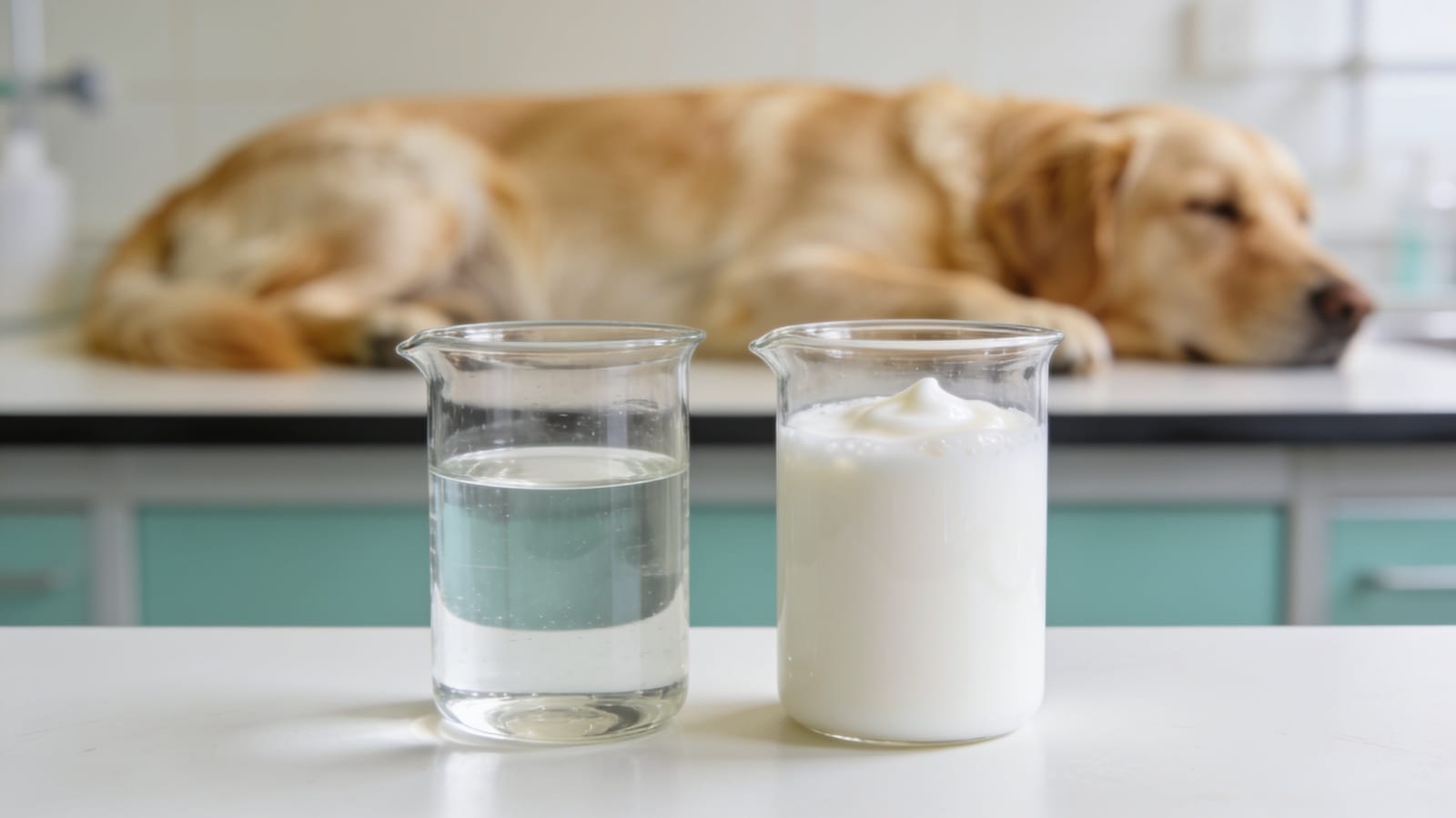
Human shampoo is made for the more acidic skin of people, while dog and cat skin is generally closer to neutral and thinner in its outer layer. Pet shampoos are pH-balanced for animals, use milder cleansing and lighter fragrance, and are checked for pH on every batch.
Human shampoo is formulated for the more acidic skin of people, while dog and cat skin is generally closer to neutral and structured differently. Using human shampoo on pets can leave skin feeling dry and the coat dull, which is why pet shampoos are pH-balanced for animals.
pH is one of the first things a pet owner asks about, and one of the first things a pet brand should get right. This guide explains what pH means, how pet skin differs from ours, and what brands should ask their manufacturer. If you are planning a range, our page on pet care third-party manufacturing explains how we develop and produce shampoos for dogs and cats.
What pH actually means
pH is a scale from 0 to 14 that measures how acidic or alkaline a water-based product is. Seven is neutral. Numbers below seven are acidic, and numbers above seven are alkaline. The scale is logarithmic, which means each whole step represents a tenfold change, so a small difference in the number is a bigger difference in chemistry than it looks.
Skin has its own surface pH, sometimes called the acid mantle. This slightly acidic film helps the outer layer of skin hold moisture and stay in good condition. A cleanser that is very different from the skin's natural pH can disturb that balance, at least temporarily.
How pet skin differs from human skin
Human skin is typically on the acidic side. Dog skin is generally reported to sit closer to neutral and can vary with breed, body area and individual. Cat skin is also less acidic than human skin. There are other structural differences too:
- Thinner outer layer: dog and cat skin generally has fewer cell layers in the outermost layer than human skin, so it can be more easily irritated by harsh cleansers.
- Dense coat: fur traps product, so shampoos must rinse out thoroughly to avoid residue that the animal later licks.
- Different oil balance: the natural oils that keep a coat glossy are part of what owners value, and stripping them can leave the coat looking dull.
- Grooming behaviour: pets lick their coats, especially cats, so anything left behind may be swallowed.
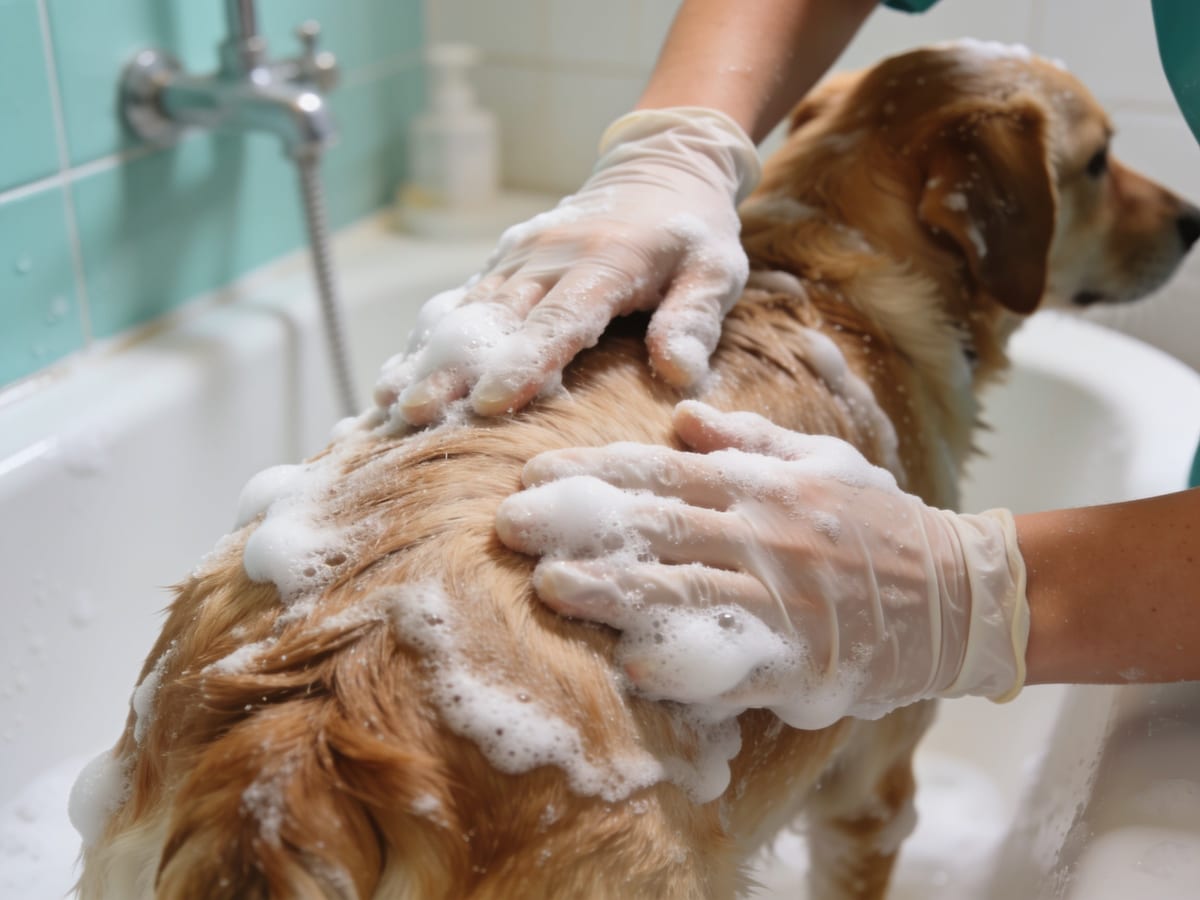
Why human shampoo is the wrong choice for pets
Human shampoos are designed for scalp skin and human hair. They tend to be formulated at a more acidic pH to suit people, may use stronger cleansing systems to remove styling products and sebum, and often carry higher fragrance levels. On a dog or cat, that combination can:
- leave the skin feeling dry or tight after bathing;
- strip the coat of the natural oils that make it look glossy;
- leave strong fragrance that animals, with their far keener sense of smell, may find unpleasant;
- include ingredients that are fine for people but not ideal for an animal that grooms itself.
Baby shampoo is a common substitute, and while it is milder than many adult shampoos, it is still formulated for human skin. A shampoo made for the species is the better choice.
| Point of comparison | Human shampoo | Pet shampoo |
|---|---|---|
| Target skin pH | Acidic, to suit human skin | Closer to neutral, to suit dog or cat skin |
| Cleansing strength | Often designed to remove styling products and scalp oil | Milder, designed to cleanse without stripping the coat |
| Fragrance level | Frequently strong | Usually lighter, as animals are sensitive to smell |
| Rinse-out | Designed for hair on a scalp | Designed to rinse clear of a dense coat |
| Licking risk | Not a design consideration | Considered, as pets groom themselves |
What pH should a pet shampoo be?
There is no single legal figure that every pet shampoo must meet. Good practice is to formulate within a range suited to the species and to the type of product, and to keep it consistent from batch to batch. A shampoo for dogs is usually set closer to neutral than a human shampoo. Cat products follow similar thinking but need extra care over ingredients, because cats are more sensitive than dogs to many essential oils and phenol-type compounds.
Different formats also behave differently. A rinse-off shampoo is on the skin for a short time; a leave-on spray, waterless shampoo or balm stays put and may be licked, so its whole formula deserves closer attention, not just its pH.
pH and the rest of the formula
pH is important, but it is not the only measure of a gentle shampoo. Brands should also consider:
- Cleansing system: milder surfactant blends cleanse effectively while being kinder to the coat.
- Conditioning: conditioning ingredients help reduce tangles and leave the coat soft. Many brands pair a shampoo with a separate pet conditioner for long or curly coats.
- Fragrance: keep it light, or offer a fragrance-free version for sensitive animals and owners.
- Preservation: water-based products need a suitable preservative system so they stay safe to use once opened.
- Colour: if a colour is used, it should be suitable for the purpose and used sparingly.
How manufacturers control pH
In a well-run facility, pH is measured at the batch stage and adjusted if needed before filling. It is recorded as part of the batch documentation, alongside appearance, odour and viscosity. Stability testing checks that pH, along with other properties, stays within the agreed range over time and in different storage conditions. When you work with a manufacturer, ask:
- What pH range is this formula designed for, and why?
- Is pH checked on every batch, and is it recorded?
- Has the formula been checked for stability, including pH drift over time?
- Is the product designed specifically for dogs, for cats, or for both?
Our facility is ISO certified and a GMP-compliant facility, and you can read more on our quality certifications page.
Talking about pH on your label and listings
"pH-balanced for dogs" or "pH-balanced for cats" is a reasonable grooming description when the formula is designed that way and records support it. Avoid turning pH into a medical promise. Say that the shampoo "cleanses gently", "leaves the coat soft" or "is pH-balanced for dog skin", rather than claiming it treats any skin condition. Treatment claims change how a product is regulated, which we cover in our guide to labelling pet grooming products.
Practical bathing advice brands can share
Owners appreciate simple guidance on the pack or product page. Useful points include:
- Wet the coat thoroughly before applying shampoo.
- Keep shampoo away from the eyes and inside of the ears.
- Rinse until the water runs clear, as residue can leave the coat dull.
- Do not over-bathe; follow a routine that suits the breed and lifestyle.
- Stop use and seek veterinary advice if the animal shows signs of discomfort.
You can see how our formats come together in the pet shampoo and skin and coat care collections.
Frequently asked questions
Can I use human shampoo on my dog just once?
An occasional wash is unlikely to cause lasting harm in most healthy dogs, but human shampoo is formulated for human skin. A shampoo made for dogs is the better routine choice.
Is dog shampoo safe for cats?
Not automatically. Cats are more sensitive than dogs to many essential oils and phenol-type ingredients, so it is best to use a product labelled as suitable for cats.
Does a pH-balanced shampoo treat skin problems?
No. A pH-balanced shampoo is a grooming product that cleanses gently. Any skin concern should be checked by a vet.
How do manufacturers check the pH of a shampoo?
pH is measured on each batch before filling, adjusted if necessary and recorded, and stability testing checks that it stays in range over time.
Developing a pH-balanced pet shampoo? Explore our pet care manufacturing services and request samples.
Related service: Pet grooming third-party manufacturing →
Tell us your idea. An account manager replies within 1 business day.
More from Harrods Insights