
Exporting Perfume from India: Dangerous Goods Rules, Air vs Sea, Documents and Labelling
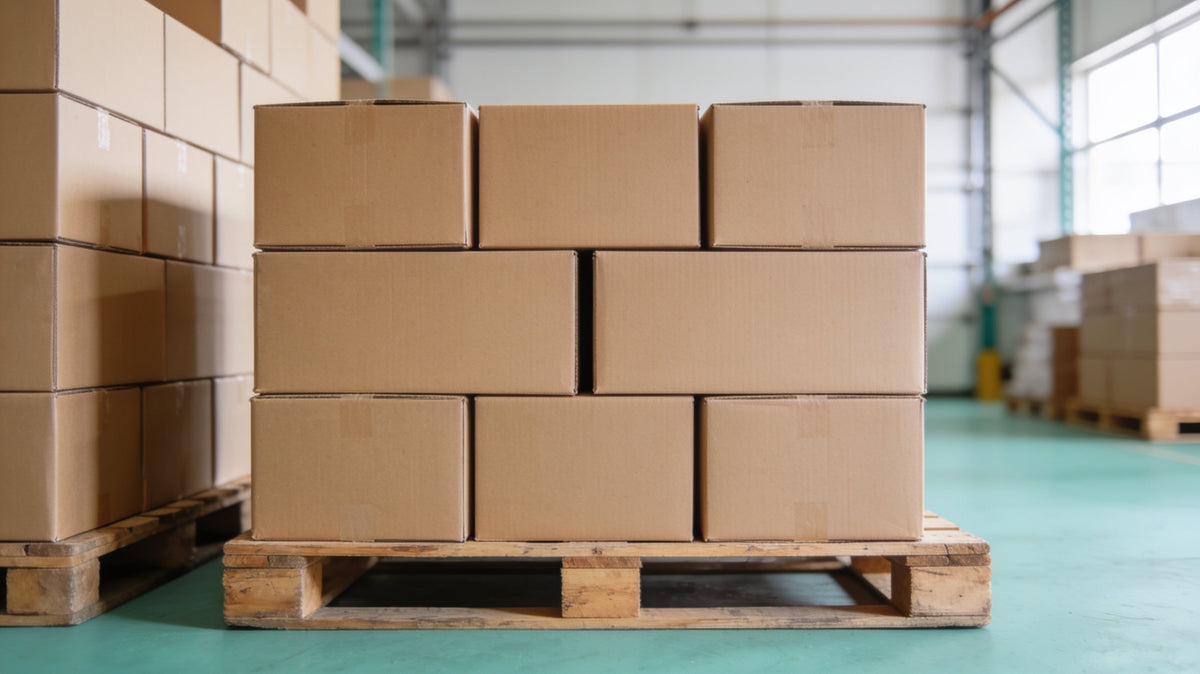
Alcohol-based perfume is classed as a flammable liquid for transport, commonly under UN1266 for perfumery products, so it must be packed, marked and declared as dangerous goods. Sea freight is often simpler for larger consignments, while air freight is faster but more restrictive. Always confirm the classification, packaging and route with your freight forwarder before booking.
Alcohol-based perfume is regulated as a flammable liquid for transport, so exports from India must be classified, packed, marked and declared as dangerous goods. Perfumery products of this type are commonly shipped under UN1266. Sea freight is often more straightforward for larger orders, air is faster but stricter, and your freight forwarder should confirm every detail before you book.
India is a practical sourcing base for fragrance brands and importers selling in the GCC, UK, EU, US, Africa and South East Asia. Shipping perfume is not the same as shipping a body lotion, though. The alcohol that carries the scent also makes the product flammable, and that changes how it travels. This guide gives a general overview from a perfume manufacturer in India. It is not freight or legal advice; confirm requirements with your forwarder and the carrier for each shipment.
Why perfume is classed as dangerous goods
EDP, EDT, EDC and most body mists contain a high proportion of ethanol. Ethanol has a low flash point, so these products are classified as Class 3 flammable liquids under international transport rules. Perfumery products with flammable solvents are commonly assigned UN1266, though the correct entry, packing group and any exemptions for your specific product must be taken from its safety data sheet and confirmed by your forwarder.
The key transport frameworks are:
- Air: the IATA Dangerous Goods Regulations, based on ICAO technical instructions.
- Sea: the International Maritime Dangerous Goods (IMDG) Code.
- Road and rail: national and regional rules at origin and destination.
Alcohol-free perfume oils are usually not flammable in the same way, but they still need checking against their safety data sheet.
Air vs sea freight
| Air freight | Sea freight | |
|---|---|---|
| Speed | Fastest | Slower, plus port handling |
| Dangerous goods acceptance | Stricter; not all airlines or routes accept all DG; quantity limits per package | Widely accepted with correct declaration |
| Cost profile | Higher per kilo, plus DG surcharges | Lower per unit for larger volumes |
| Best for | Launch stock, urgent replenishment, samples | Container or consolidated shipments to importers and warehouses |
| Planning note | Book early; DG space can be limited | Allow for DG acceptance by the shipping line and port rules |
Couriers and postal services often have their own restrictions on perfume, sometimes stricter than the general rules. Check before sending samples internationally.

Limited quantities and small packages
Transport rules allow some dangerous goods in small inner packagings to be shipped under "limited quantity" provisions, with simplified marking and packaging requirements. Retail perfume bottles can sometimes qualify, depending on the mode of transport, the inner volume, the total package weight and the carrier's own policy.
Limited quantity is not an exemption from the rules. It still requires correct packaging, marking and documentation, and carriers can refuse it on certain routes. Your forwarder decides whether it applies.
Packaging for export
- Inner packaging: bottles sealed, pumps crimped or screwed tight, caps fitted. Our perfume packaging guide covers closures.
- Outer cartons: strong enough for the weight, with dividers to prevent glass contact.
- DG-rated packaging: where required, outer packaging must be of a tested and marked type.
- Marks and labels: UN number, proper shipping name, hazard labels or limited quantity mark as applicable, orientation arrows and consignee details.
Export documents
| Document | Purpose |
|---|---|
| Commercial invoice | Value, description and terms of sale |
| Packing list | Contents, quantities, weights and dimensions per carton |
| Safety data sheet | Hazard classification and transport information |
| Dangerous goods declaration | Shipper's declaration required for DG shipments, as applicable |
| Shipping bill and customs filings | Indian export clearance |
| Certificate of origin | Where needed for preferential duty or importer requirements |
| Product and facility certificates | Requested by some importers or regulators, such as Halal or GMP documents |
Packing, documents and dispatch to export ports are handled through fulfilment and export, coordinated by a single account manager. Your forwarder or customs broker files the transport-specific declarations.
Labelling for the destination market
Transport labelling and product labelling are separate. The bottle and box must also meet the cosmetics rules of the market where they will be sold. Typical requirements include:
- Ingredient list in the required format, with fragrance allergens where mandatory.
- Net volume and batch number.
- Name and address of the responsible person or importer in that market.
- Country of origin.
- Flammability and usage warnings in the local language where required.
Our fragrance compliance guide explains IFRA and allergen requirements in more detail.
Market registration before shipping
Many importing countries require the product, the importer or both to be registered or notified before goods arrive. Examples include notification in the EU and UK, product listing in the US, and cosmetic registration systems in India and several GCC countries. Check this with your importer well before the first shipment; goods that arrive before registration is complete can be held at the border.
Temperature and transit care
Perfume is sensitive to heat and strong light. Containers on long sea routes and cargo waiting on hot airport aprons can reach high temperatures, which may affect colour and scent over time and increase pressure inside bottles. Practical steps include choosing routings with fewer transhipments where possible, avoiding long dwell times at ports, and asking your forwarder about container positioning or insulated options for sensitive consignments. Perfume that has been properly chilled and filtered at the factory is also less likely to develop haze after cold exposure in winter shipments.
Sending samples internationally
Samples often cause more trouble than full shipments, because courier and postal networks apply their own rules to perfume. Some refuse alcohol-based fragrance entirely on certain lanes; others accept it only through a dangerous goods service. Before promising samples to an overseas buyer, check which service your courier offers and allow extra time. Perfume oil samples can sometimes travel more easily, subject to their safety data sheet.
Certifications importers often ask for
Harrods Health is ISO certified, operates a GMP-compliant facility, is Halal certified, holds an AYUSH licence and a state FDA cosmetic manufacturing licence, and is a US FDA registered facility. See quality and certifications. Test reports are available on request.
A practical export checklist
- Confirm the destination's product registration and labelling rules.
- Get the safety data sheet and agree classification with your forwarder.
- Choose air or sea, and confirm the carrier accepts the goods on that route.
- Agree DG packaging, marking and carton specification.
- Prepare commercial and DG documents.
- Book space early, especially for air.
- Plan storage at destination away from heat and direct sun.
Ready fragrance formulas start from 500 units per product; see MOQ and pricing for how quantities are quoted.
Frequently asked questions
Is perfume dangerous goods for shipping?
Alcohol-based perfume is classed as a flammable liquid for transport, so it is shipped as dangerous goods. Your forwarder confirms the exact classification from the safety data sheet.
Can perfume be sent by air from India?
Often yes, subject to IATA rules, quantity limits and the airline's own acceptance policy. Some routes and carriers restrict it, so confirm before booking.
Can retail perfume ship as a limited quantity?
Sometimes, depending on bottle size, package weight, transport mode and carrier policy. Correct packaging and marking are still required.
Do you handle export documentation?
Packing, documents and dispatch to export ports are handled. Transport-specific declarations are completed with your forwarder.
Planning an export order? Talk to our private label perfume manufacturing team about packing and dispatch.
Related service: Perfume manufacturing for your brand →
Tell us your idea. An account manager replies within 1 business day.
More from Harrods Insights