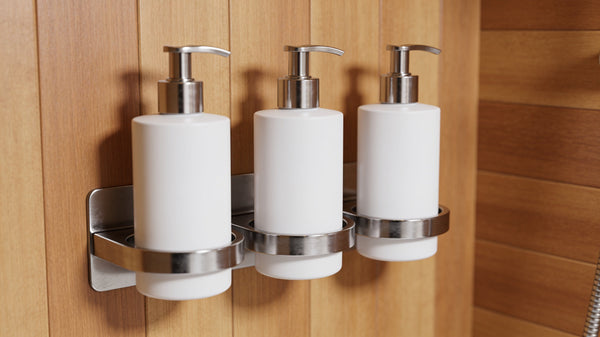
Hand Wash and Sanitizer in Canadian Hotels: Cosmetic, NPN or DIN?

A hand wash sold simply to cleanse is a cosmetic in Canada. Once it claims to kill germs or act as an antiseptic, it is regulated as a natural health product or non-prescription drug and needs an NPN or DIN. Hotels should keep washroom hand wash cosmetic and source sanitizer separately from licensed products.
In Canada, a hand wash sold simply to clean the hands is a cosmetic. A hand wash or hand sanitizer that claims to kill germs, or works as an antiseptic, is regulated as a natural health product or a non-prescription drug and needs a product licence number (NPN) or drug identification number (DIN) before it can be sold.
For hotels the practical rule is simple: keep washroom hand wash cosmetic, with no germ-kill claims, and buy sanitizer for lobbies and back-of-house as a licensed product. This guide explains why. It is general information, not legal advice; confirm the current position with your importer or a regulatory consultant. For the wider market, see our Canada hotel amenities hub.
Three categories, one bottle shape
A pump bottle by a sink could fall into any of three categories in Canada, depending on what it is and what it says:
| Category | Typical product | What it needs |
|---|---|---|
| Cosmetic | Hand wash that cleanses, removes dirt and leaves hands feeling soft | Cosmetic Notification Form, cosmetic labelling, Hotlist compliance |
| Natural health product | Many antiseptic skin cleansers and hand sanitizers | Product licence and an NPN on the label, with site and quality requirements |
| Non-prescription drug | Some antiseptic products, depending on ingredients and claims | Drug identification number (DIN) and drug requirements |
The line between natural health products and non-prescription drugs depends on the active ingredient and the claims, and Health Canada publishes monographs and guidance for antiseptic skin cleansers. A hotel does not need to master that line. What matters is staying clearly on the cosmetic side for the hand wash you put in rooms and washrooms.
Claims decide the category
Health Canada looks at a product's composition, its intended use and how it is presented, including what the label, website and sales materials say. Its guidance on products at the cosmetic and drug interface sets out how this works. The same formula can be a cosmetic with one label and a health product with another.
Claims that generally keep hand wash cosmetic
- Cleanses hands; removes dirt
- Gentle, mild or moisturizing feel
- Leaves hands feeling soft or fresh
- Pleasant or signature fragrance
Claims that generally take it out of the cosmetic category
- Antibacterial, antimicrobial or antiseptic
- Kills germs, bacteria or viruses, or "kills 99.9%"
- Sanitizes or disinfects hands
- Prevents infection or illness
Words such as "hygienic" or "clinically clean" sit in a grey area and are best avoided on a cosmetic. Implied claims count too. A medical cross, a germ illustration or a product name built around "protect" or "defence" can suggest a health claim even when the words avoid it. Keep artwork neutral.

Signage, websites and sales sheets
Claims are not just what is printed on the bottle. Washroom signs that say the soap kills germs, a property website that calls the amenities antibacterial, or a distributor sales sheet can all be read as claims about the product. If your hand wash is a cosmetic, keep every description of it consistent with that: clean, gentle, fragranced.
The same applies to hygiene messaging. A hotel can encourage guests to wash their hands, which is general advice, without claiming that a particular product kills germs.
What goes into a cosmetic hand wash
A cosmetic hand wash is a blend of mild surfactants, conditioning agents, fragrance and a preservative system. The preservative protects the product from spoiling in the bottle or refill; it is not an antibacterial claim about the skin, and it does not turn the product into a drug. What would change the picture is adding an antiseptic active at levels meant to act on the skin, and then claiming that effect.
Our hotel hand wash is formulated and supplied as a cosmetic, in minis, dispenser bottles and 5 L refills, so one signature scent can run from guest bathrooms to public washrooms. Formulas can be supplied as dermatologically tested, with reports on request. Browse the hotel amenities range.
Sanitizer stations
Many hotels keep hand sanitizer at the front desk, in fitness rooms, in restaurants and in staff areas. In Canada these are generally natural health products or non-prescription drugs, so they should come from a supplier whose product carries an NPN or DIN. Harrods Health does not make hand sanitizer.
When you source sanitizer, check that the licence number is on the label, that the product's authorization covers what you are buying, and that the supplier can give you the product information you need. Keep sanitizer and hand wash visually distinct so guests and housekeeping do not confuse them. Different bottle shapes, colours or decals at each station make the difference obvious at a glance.
Where this comes up most
Hand wash volume is highest in properties with busy public washrooms: convention hotels in Toronto and Ottawa, airport hotels, ski resorts and workforce lodges. Our Alberta page covers workforce lodges, where hand wash is often bought in 5 L refills for washrooms and kitchens. The same cosmetic rules apply in every province.
Labels for cosmetic hand wash
A cosmetic hand wash carries the same label elements as any other cosmetic in Canada: product identity in English and French, metric net quantity, INCI ingredient list and the dealer's name and address. It does not carry an NPN or DIN, and it should not mimic the look of a drug label. We print bilingual labels and hotel branding in-house; see custom packaging.
Questions to ask before you order
- Where will the hand wash be used: guest bathrooms, public washrooms, kitchens or staff areas?
- Will any sign, web page or sales sheet describe it? If so, who checks the wording?
- Does the property also need sanitizer, and who will supply a licensed product?
- Should the hand wash match the room range scent, or be a lighter scent for public areas?
- Which format suits each location: minis, dispenser bottles or 5 L refills?
Answering these early keeps the product in the right category and avoids reprinting labels or signs later. Our documentation and facility certifications are listed on the quality and certifications page.
If you also supply the United States
The US splits cosmetic hand wash and antibacterial products differently, using the FDA's over-the-counter drug rules. If your range crosses the border, see our guide to cosmetic versus OTC drug hand wash in the US. A label that works in one country may not work in the other.
Frequently asked questions
Can a hotel hand wash say antibacterial in Canada?
Not as a cosmetic. Antibacterial or antiseptic claims generally make the product a natural health product or non-prescription drug that needs an NPN or DIN.
Does Harrods Health make hand sanitizer?
No. We make cosmetic hand wash for cleansing. Hotels that want sanitizer stations should source a product that carries an NPN or DIN.
Does a preservative make hand wash a drug?
No. Preservatives protect the product itself from spoiling. The issue is claims and intended use on the skin, not the presence of a preservative.
Do signs in the hotel count as claims?
They can. Washroom signage, website copy and sales sheets that say the hand wash kills germs may be read as claims about the product, so keep them consistent with its cosmetic status.
Need a cosmetic hand wash to match your room range? Start a brief on our private-label hotel toiletries page.
Related service: Hotel amenities supplier for Canadian hotels →
Tell us your idea. An account manager replies within 1 business day.