Pet Shampoo Third-Party Manufacturing: MOQ, Cost Drivers and Timelines
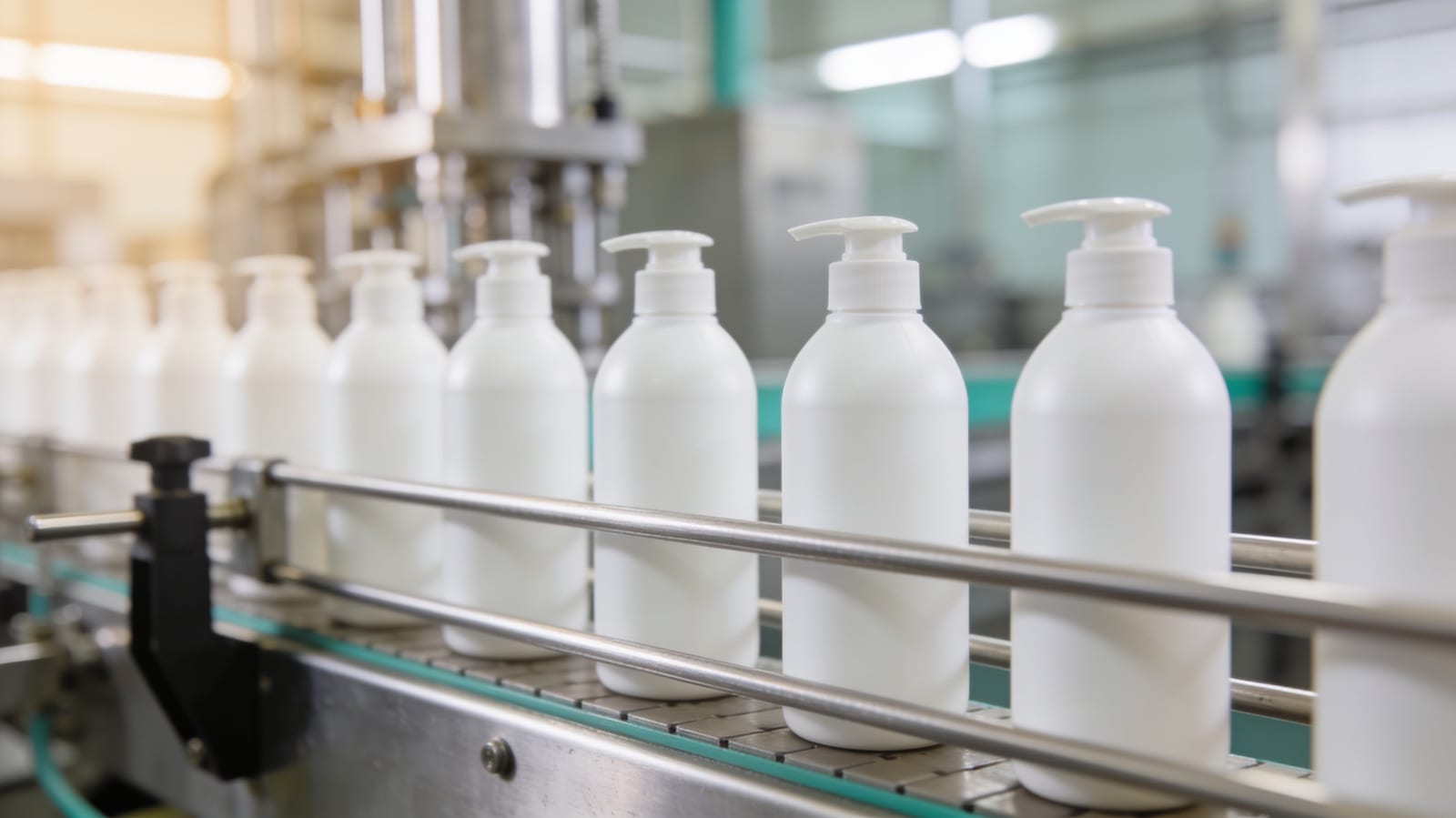
Pet shampoo manufacturing starts from a minimum order per product, as low as 500 units on ready formulas. Unit cost depends on formula, fragrance, packaging, decoration, quantity and dispatch, and production typically takes a few weeks once samples and artwork are approved.
Pet shampoo third-party manufacturing usually starts from a minimum order per product, and with ready formulas that can be as low as 500 units. Your unit cost and timeline are driven mainly by formula choice, packaging, decoration, order size and how quickly you approve samples and artwork.
If you are planning a dog or cat shampoo under your own brand, the three questions that matter most are how many you must order, what makes the price go up or down, and how long it will take. This guide answers each one in practical terms. For an overview of how we support pet brands from brief to dispatch, see our pet care third-party manufacturing page.
What MOQ means for a pet shampoo
MOQ, or minimum order quantity, is the smallest production run a manufacturer will accept for one product. It exists because every run carries fixed work: weighing raw materials, mixing a batch, quality checks, cleaning the line, setting up filling and labelling, and paperwork. Below a certain volume those fixed costs make each unit uneconomic.
How MOQ is usually set
- Per product, per variant: a lavender shampoo and an unscented shampoo are usually treated as separate products, each with its own MOQ.
- Per pack size: a 250 ml and a 1 litre version of the same formula are often counted separately because the filling set-up differs.
- Ready vs custom: ready formulas have lower MOQs because the base is already developed and produced regularly. Custom formulas generally need a larger first run.
- Packaging MOQs: bottles, caps and printed labels also have their own minimums from component suppliers, which can be higher than the filling MOQ.
Our ready pet formulas start from 500 units per product. You can see how minimums and pricing are structured on our MOQ and pricing page.
The main cost drivers
There is no single "price of a pet shampoo". The unit cost is built from several parts, and understanding them helps you make sensible trade-offs.
1. The formula
Mild cleansing systems, conditioning agents, botanical extracts and the overall concentration of active cleansing ingredients all influence cost. A concentrated groomer shampoo designed to be diluted will cost more per litre but less per wash. A ready formula is generally the most economical starting point.
2. Fragrance
Fragrance is often one of the more expensive raw materials. A custom fragrance costs more than a standard one, and the level you use matters. For pets, lighter fragrance levels are usually preferable anyway, since animals have a much stronger sense of smell than people.
3. Packaging components
The bottle, closure and any pump or flip-top cap can make up a large share of the unit cost. Specialist shapes, heavier plastics, recycled content and premium closures all add cost. Standard stock bottles are the cheapest route.
4. Decoration
Printed labels are flexible and economical at lower volumes. Shrink sleeves, screen printing and cartons add cost but can lift shelf presence. More colours and special finishes usually mean higher costs.
5. Order quantity
Larger runs spread set-up costs across more units, so the unit price generally falls as quantity rises. That said, ordering far more than you can sell in a reasonable time ties up cash and shelf life.
6. Secondary packing and dispatch
Shipper cartons, palletising, marketplace-specific labelling and export documents all carry a cost. It is worth asking for these to be quoted separately so you can compare like for like.
| Cost driver | Lower-cost choice | Higher-cost choice |
|---|---|---|
| Formula | Ready formula | Custom-developed formula |
| Fragrance | Standard fragrance or unscented | Custom fragrance |
| Bottle | Stock shape and colour | Custom mould or special material |
| Decoration | Printed label | Sleeve, screen print or carton |
| Quantity | Larger run per product | Several small runs |
| Dispatch | Single delivery to one warehouse | Split deliveries or export documentation |
Typical timeline from brief to dispatch
Timelines depend heavily on decisions on your side, especially sample and artwork approval. As a general guide, the stages look like this:
- Brief and shortlist: you share your target customer, formats, pack sizes and fragrance direction. This can be done in days.
- Samples: samples of shortlisted formulas are prepared and sent. Allow time to test them properly on different coat types.
- Fragrance and colour approval: if you choose a custom fragrance or colour, expect a round or two of adjustments.
- Packaging and artwork: stock packaging is usually quickest; custom components can take noticeably longer. Artwork is checked for fit and mandatory label details.
- Production: once everything is approved and components are in, mixing, quality checks, filling and labelling follow. This typically takes a few weeks.
- Packing and dispatch: goods are packed to suit the destination, whether that is your warehouse, a marketplace or an export port.
Ready formulas with stock packaging are the fastest route. Custom formulas add development and stability time, and custom moulds add tooling time, so plan in months rather than weeks for those.
How to keep cost and time under control
- Start with ready formulas. Use fragrance, colour and packaging to differentiate, then invest in custom development once you know what sells. Our ready-to-market options are built for this.
- Limit variants at launch. Two scents of one shampoo usually perform better than five, because each variant needs its own MOQ and stock.
- Use stock bottles. A well-designed label on a stock bottle can look premium. Our custom packaging page shows what is possible.
- Approve quickly and in writing. Most delays come from slow decisions on samples or artwork, not production.
- Share your dispatch plan early. Marketplace and export requirements are easier to build in from the start.
What to include in your shampoo brief
A clear brief gets you accurate quotes and fewer revisions. Include:
- Species: dogs, cats or both, and any coat types you are targeting.
- Use: everyday wash, puppy or kitten, long coats, groomer dilution.
- Claims you want to make, kept to cosmetic grooming language such as "cleanses", "conditions" and "freshens".
- Fragrance direction and whether you want a fragrance-free option.
- Pack sizes, closure type and decoration.
- Target quantity per product for the first order.
- Where the goods will be delivered.
You can browse example formats in our pet shampoo collection before you write the brief. If you are still shaping the whole range, our pet brand manufacturing checklist is a useful companion.
Why a single account manager matters
Pet shampoo projects involve formula, fragrance, packaging, artwork, production and dispatch, often with different suppliers for components. Having a single account manager who coordinates samples, approvals and delivery reduces the risk of a missed detail, such as a label that does not fit the bottle or a carton count that does not suit the warehouse.
Frequently asked questions
What is the minimum order for a private label pet shampoo?
Our ready pet formulas start from 500 units per product. Custom formulas usually need a larger first run, depending on the brief and packaging.
What makes pet shampoo manufacturing more expensive?
The main drivers are formula choice, custom fragrance, packaging components, decoration method, order quantity and the packing and documents needed for dispatch.
How long does it take to produce a pet shampoo?
With a ready formula and stock packaging, production typically takes a few weeks after approvals. Custom formulas and custom packaging moulds add development time.
Can I order a sample before committing?
Yes. We provide samples before any order so you can test lather, rinse, fragrance and coat feel on different animals before approving production.
Planning your first pet shampoo? Talk to us about pet shampoo third-party manufacturing and request samples.
Related service: Pet grooming third-party manufacturing →
Tell us your idea. An account manager replies within 1 business day.