Private Label Shampoo Manufacturing in India: Formats, Surfactants, Fragrance, MOQ and Timelines
Published by Harrods Health Private Limited, a private label and contract manufacturer in Ambala, Haryana, India. By Hemang Jain, Founder, Anadoris.
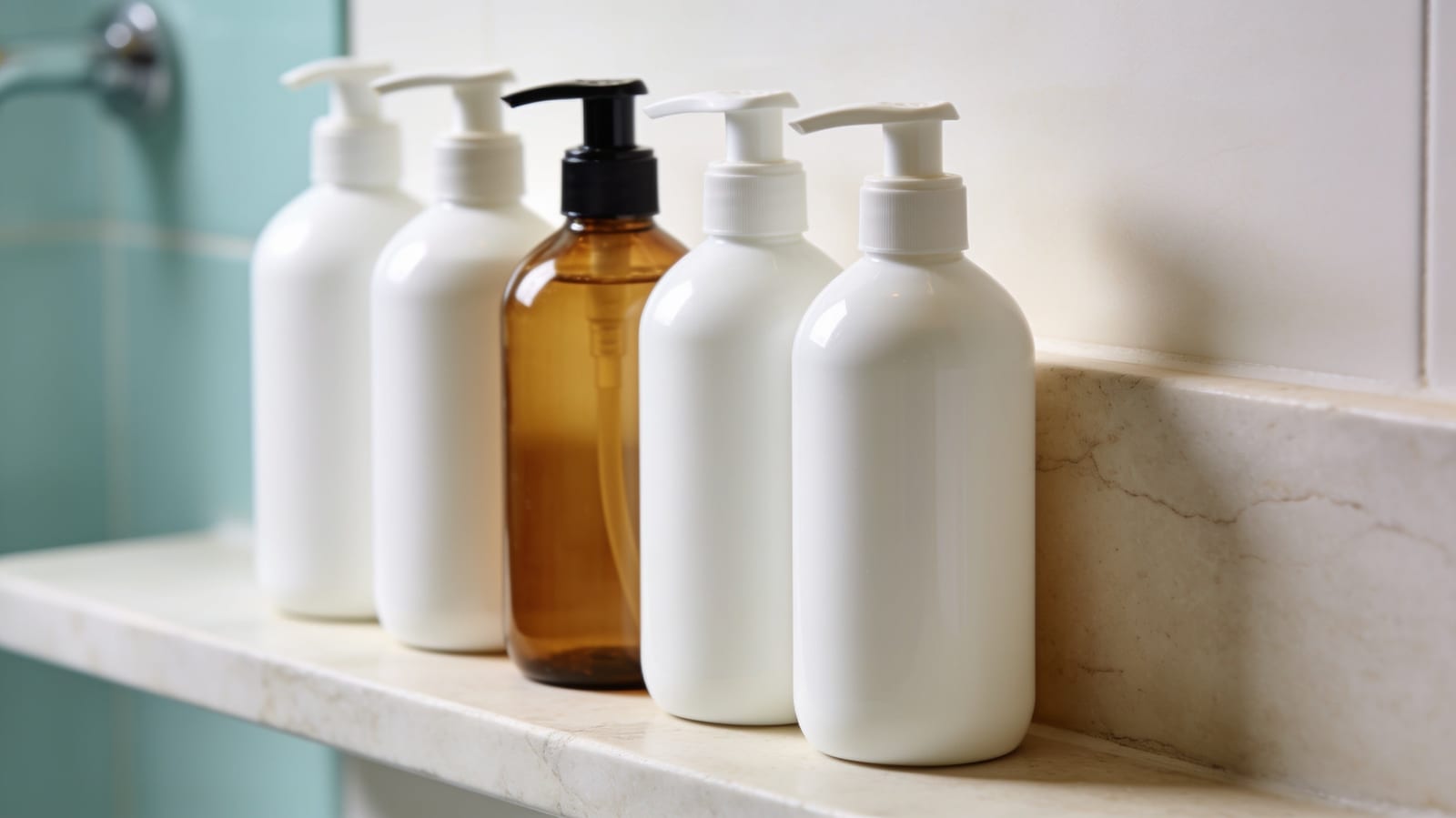
A private label shampoo is built from four decisions: format, surfactant system, fragrance and pack. Minimum quantities are confirmed on enquiry, with custom formulation, fragrance and packaging available. Sampling rounds and packaging procurement usually set the timeline more than the filling line does.
Private label shampoo manufacturing in India means a contract manufacturer supplies a finished, filled and labelled shampoo under your brand: you choose a ready formula or brief a custom one, approve samples, lock packaging and artwork, and the factory produces and dispatches. At Harrods Health, minimum quantities for ready shampoo formulas are confirmed on enquiry.
Shampoo is usually the first product a haircare brand launches, and the one customers judge fastest. They notice the lather in the first wash, the feel of wet hair under the fingers and the scent left on the towel. This guide walks through the decisions that shape a shampoo before it reaches the filling line, so that your brief to a haircare manufacturer in India is specific enough to sample against.
Choosing a shampoo format
Format is a positioning decision as much as a technical one. Each option behaves differently in production, in transit and in the shower.
| Format | Typical texture | Production notes | Suits |
|---|---|---|---|
| Clear gel shampoo | Transparent, pourable gel | Clarity must hold across temperature swings; fragrance and actives can cloud it | Mass and D2C ranges, fresh positioning |
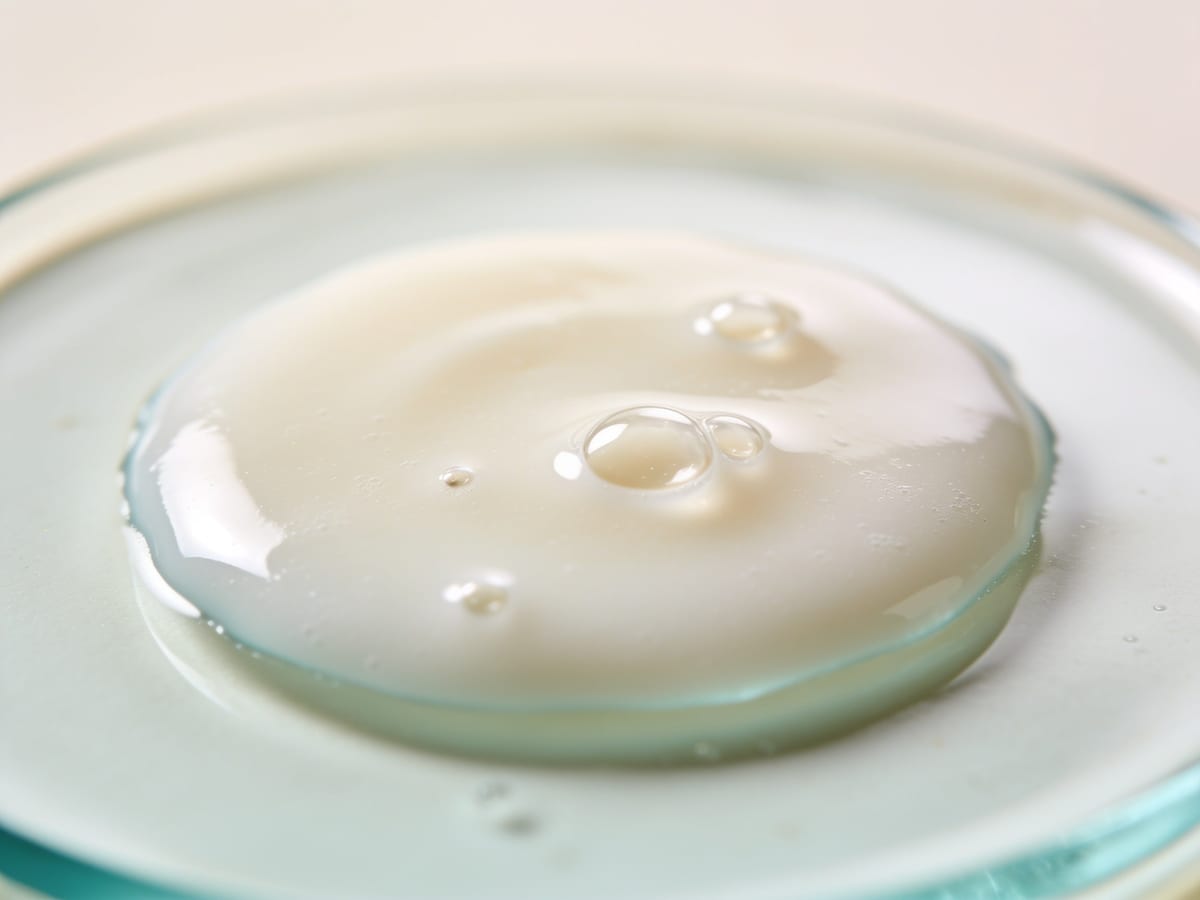
| Pearlised or creamy shampoo | Opaque, rich-looking liquid | Pearlising agents give a premium look and can carry oils and conditioning agents | Nourishing, repair and salon ranges |
| Conditioning (2-in-1) shampoo | Creamy, slightly heavier | Needs careful balance so conditioning agents deposit without dulling hair | Convenience, men's grooming, travel |
| Low-foam or cream cleanser | Lotion-like | Mild surfactants, more conditioning; different consumer expectations on lather | Curly and textured hair, dry hair |
| Concentrated shampoo for refills | Thicker, higher active content | Dosing guidance on pack matters | Refill and sustainability programmes |
Browse examples of finished formats in our shampoo collection before you write your brief; it is easier to say "like this, but less fragrant" than to describe a texture from scratch.
Surfactant systems: the core of any shampoo
The surfactant system decides how a shampoo foams, how much oil it removes and how gentle it feels. Most shampoos combine a primary surfactant with one or more secondary surfactants that soften and stabilise the foam.
Sulphate-based systems
Sodium laureth sulphate paired with cocamidopropyl betaine remains the most familiar system. It foams quickly, thickens easily with salt and rinses cleanly, which makes it cost-efficient and forgiving in production. It suits clarifying and everyday shampoos where a strong lather is expected.
Sulphate-free systems
Brands positioning on mildness often choose amino-acid and isethionate surfactants, glucosides, taurates or sulphosuccinates. These generally feel gentler but thicken differently and can produce a softer, creamier lather. If your range is built around this positioning, read our guide to sulphate-free and silicone-free haircare formulation before you lock the brief.
Conditioning polymers and add-ons
Cationic polymers such as guar derivatives and polyquaternium grades help shampoo leave hair less tangled. Silicones, plant oils, hydrolysed proteins and humectants can be layered on top. Every addition affects foam, clarity and viscosity, so it is worth agreeing priorities early: a crystal-clear gel and a heavy oil load rarely sit in the same bottle.
Fragrance and colour
Fragrance is often what a customer remembers, and in haircare it has to perform twice: in the bottle and on dry hair hours later. Points to brief clearly:
- Scent direction: fresh, floral, gourmand, herbal, woody or a signature scent shared with other products in your range.
- Intensity: a salon range may want a noticeable trail; a scalp-care or sensitive range may want a lighter touch or a fragrance-free option.
- Stability: some fragrance materials discolour or thin a shampoo over time, which is why stability checks matter before scale-up.
- Allergen labelling: export markets such as the EU and UK require certain fragrance allergens to be named on pack above set thresholds, which affects your artwork.
- Colour: tinted shampoos should be checked for staining on towels and light hair, and for fading in clear packaging.
Custom fragrance, colour and texture are all available, and a fragrance can be matched across shampoo, conditioner and mask so the range reads as one family.
Ready formula or custom formulation?
Most brands start in one of two places.
- Ready formulas: an existing shampoo from the formula library, adapted with your fragrance, colour and packaging. This is the quickest route to market and the lowest minimum. See how this works on our ready-to-market page.
- Custom formulation: a shampoo developed against your brief, for example a specific surfactant system, a hero ingredient at a meaningful level or a texture no library formula offers. This adds development and sampling rounds.
Many founders combine both, launching on ready formulas and moving their hero shampoo to a custom formula once they have customer feedback.
MOQ: what counts as one product
A product, for MOQ purposes, is one formula in one fragrance and one pack size. A 250 ml and a 500 ml of the same shampoo count as two products; so do two fragrances of the same base. Custom formulas, custom fragrances and decorated packaging carry their own raw-material and component minimums, so they are quoted per project. Our MOQ and pricing page explains how quotes are built.
A realistic timeline, step by step
- Brief and shortlist: format, hair type, positioning, target markets, pack sizes and price point.
- Samples: you receive samples before any order and test them on real hair, ideally across several people and water types.
- Refinement: adjustments to fragrance, viscosity, foam or colour; custom formulas may need more than one round.
- Packaging and artwork: component selection, label sizing, ingredient list and claims review.
- Stability and compatibility checks: confirming the formula behaves in the chosen pack over time.
- Production, filling and packing: batch manufacture, quality release and secondary packing.
- Documents and dispatch: to your warehouse, marketplace fulfilment centres or an export port.
In practice, the slowest steps are usually decision rounds on samples and the lead time on custom or decorated packaging. A ready formula in stock packaging is the quickest path; dates are confirmed in writing at quotation.
Quality, testing and compliance
Shampoo is manufactured in a GMP-compliant facility that is ISO certified. Formulas can be supplied as dermatologically tested, with test reports available on request. Details of what is tested and when are on our testing and quality page.
Keep claims cosmetic. A shampoo can cleanse, refresh the scalp, reduce the appearance of frizz or leave hair feeling softer. Avoid drug-like language such as "stops hair fall" or "cures dandruff" unless the product is registered under the appropriate medicinal route in your market.
Briefing checklist
- Who is the customer and what hair type or concern is the shampoo for?
- Sulphate-based or sulphate-free? Clear or pearlised?
- Hero ingredients and the story you want to tell about them.
- Fragrance direction, intensity and whether it must match other products.
- Pack sizes, closure type and whether a salon litre pack is needed.
- Markets you will sell in, including any export destinations.
- Launch quantity per product and expected reorder rhythm.
Frequently asked questions
What is the minimum order for private label shampoo?
Minimum quantities are confirmed on enquiry, where a product is one formula, one fragrance and one pack size. Custom formulas, custom fragrances and decorated packaging are quoted per project because their materials carry separate minimums.
Can I test shampoo samples before ordering?
Yes. Samples are supplied before any order so you can check lather, rinse, wet and dry feel and fragrance on real hair. Testing across several hair types and water conditions gives a more reliable read.
Should my shampoo be sulphate-free?
It depends on your customer and positioning. Sulphate-based systems foam strongly and clean thoroughly; sulphate-free systems usually feel milder with a softer lather. Both can be made well, and the choice should follow your brand promise.
Do you make salon sizes of shampoo?
Yes. Alongside retail sizes, shampoos can be supplied in 1 L and 5 L salon packs for back-bar use.
Planning your first shampoo? Start with our private label haircare manufacturing page and share your brief.
Related service: Haircare manufacturing for your brand →
Tell us your idea. An account manager replies within 1 business day.