Sulphate-Free and Silicone-Free Haircare Formulation: A Guide for Brands
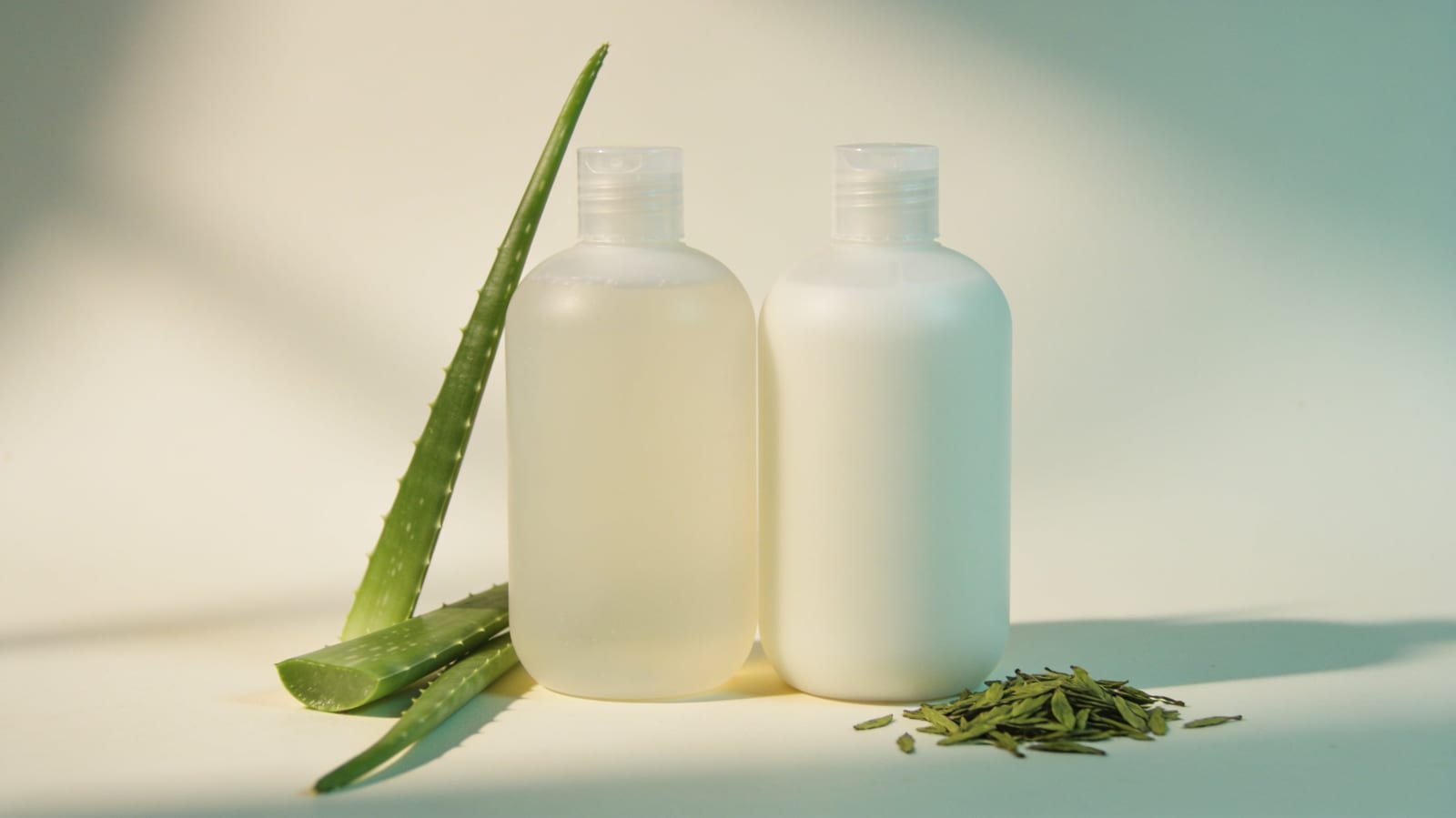
Sulphate-free shampoos replace sulphate surfactants with milder alternatives that usually foam more softly and thicken differently. Silicone-free conditioners rely on cationic conditioners, oils, esters and proteins for slip and smoothness. Setting customer expectations on foam and feel is as important as the formula.
Sulphate-free and silicone-free haircare replaces sulphate surfactants with milder cleansing agents and replaces silicones with alternative conditioning ingredients. Done well, the products cleanse and condition effectively, but they usually foam more softly and feel different in use, so brands should set expectations on pack and in their marketing.
"Free-from" claims remain one of the strongest filters on haircare shelves and marketplace search results. For a brand, though, the question is not simply what to leave out but what to put in its place. This guide explains the formulation choices behind sulphate-free shampoo and silicone-free conditioning, so you can brief your haircare manufacturer in India with realistic targets.
What "sulphate-free" actually means
In haircare, "sulphate-free" usually means the shampoo contains no sodium lauryl sulphate, sodium laureth sulphate, ammonium lauryl sulphate or similar alkyl sulphates. Those surfactants are effective and economical, but some customers find them drying or prefer to avoid them.
Be precise on pack. A shampoo can be free of sulphates and still contain other strong cleansers. Claim only what the ingredient list supports, and avoid implying that sulphate-containing products are unsafe.
Sulphate-free surfactant options
| Surfactant family | Typical character | Notes for brands |
|---|---|---|
| Amino-acid surfactants (glutamates, glycinates, sarcosinates) | Mild, creamy lather | Popular for gentle and scalp-care positioning |
| Isethionates | Dense, soft foam; good skin feel | Often used in creamy and premium shampoos |
| Taurates | Mild with decent foam | Work well in combination systems |
| Glucosides (decyl, coco, lauryl) | Gentle, plant-derived | Can feel slightly drying alone; usually blended |
| Sulphosuccinates | Mild, good flash foam | Useful for lifting foam in sulphate-free systems |
| Amphoterics (betaines, amphoacetates) | Foam boosters and mildness aids | Present in most systems, sulphate or not |
Most good sulphate-free shampoos use a blend of two to four surfactants so that foam, mildness, rinse and thickness are balanced.
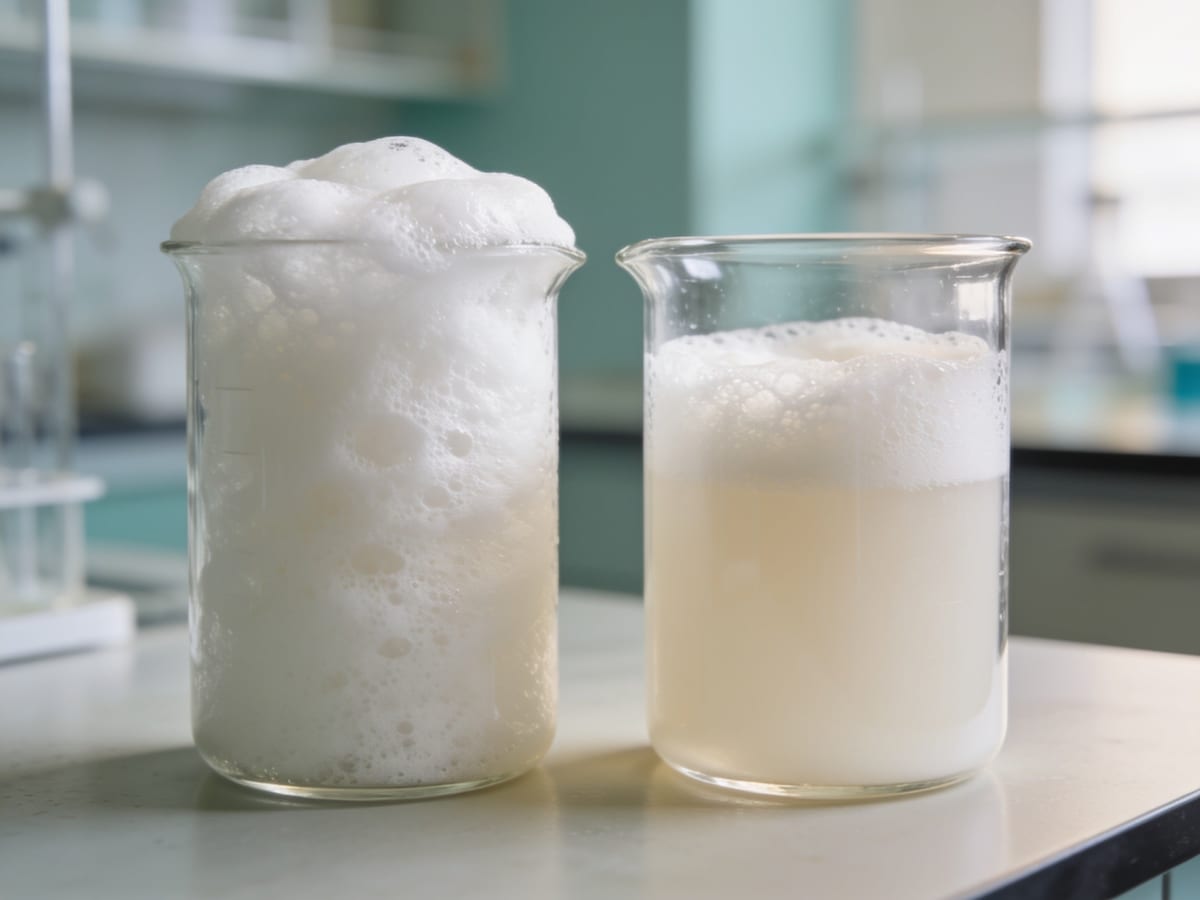
Foam expectations: the biggest customer complaint
Customers often equate foam with cleaning. Sulphate-free shampoos typically produce a softer, creamier, slower-building lather, especially on the first wash when hair carries oil or styling product. That can lead to reviews saying "it doesn't lather" even when the shampoo cleans well.
- Add directions such as "lather, rinse and repeat if needed" or "work through wet hair for a fuller lather".
- Describe the foam honestly in product copy: "a soft, creamy lather".
- Sample on oily and product-laden hair, not only on freshly washed hair.
- Consider a sulphate-free clarifying shampoo in the range for occasional deeper cleansing.
Co-washes and cleansing conditioners
For customers who want the gentlest possible cleanse, a co-wash or cleansing conditioner sits between shampoo and conditioner. It contains a small amount of mild surfactant within a conditioning base, so it lifts some oil and residue while leaving hair soft. It produces little or no foam by design, which should be stated clearly on pack. Co-washes suit curly and very dry hair and work well as a second cleansing option within a sulphate-free range, alongside a regular shampoo for days when a fuller cleanse is needed.
Thickening without salt
Sulphate-based shampoos thicken readily with salt. Many sulphate-free systems do not respond the same way, so formulators use other thickeners such as natural gums, cellulose derivatives or associative thickeners. This affects how the shampoo pours, so check that the viscosity suits your pack: a thin shampoo in a flip-top can run out too fast, while a very thick one may struggle through a pump.
What "silicone-free" means and why brands choose it
Silicones such as dimethicone and amodimethicone give slip, shine and smoothness, and they are effective conditioning ingredients. Some customers and some hair-care methods prefer to avoid them, for example to reduce perceived build-up or to follow particular routines for curly hair. Silicone-free is a positioning choice rather than a safety one, and copy should reflect that.
Conditioning alternatives to silicones
Cationic conditioning agents
Quaternary conditioners and amine-based emulsifiers are attracted to the surface of hair, smoothing the cuticle and reducing tangles. They are the backbone of most rinse-off conditioners and masks, silicone-free or not.
Oils, butters and esters
Plant oils, light esters and plant-derived alkanes or squalane can give slip and shine. Lighter options suit fine hair; richer butters suit thick, curly or dry hair.
Proteins, humectants and film-formers
Hydrolysed proteins, panthenol, glycerin and natural film-forming polymers help with strength of feel, moisture and manageability.
Cationic polymers in shampoo
In a silicone-free shampoo, cationic polymers such as guar derivatives help with wet combing so that the conditioner does not have to do all the work.
Managing expectations on feel
A silicone-free conditioner may feel less "slippy" in the shower and leave hair with a slightly different dry finish. Hair can feel softer but less glassy. Test carefully on your target hair type:
- Wet combing and detangling ease.
- Dry feel, shine and frizz after air-drying and after heat styling.
- How the product performs after several washes, not just one.
For textures and formats beyond shampoo, see our guide to conditioners, hair masks and leave-in treatments.
Matching the system to hair type
| Hair type or concern | Shampoo direction | Conditioning direction |
|---|---|---|
| Fine, oily-at-the-root hair | Lighter sulphate-free blend with good flash foam | Light rinse-off conditioner, minimal oils |
| Dry or coloured hair | Creamy amino-acid or isethionate system | Richer conditioner or mask with butters and proteins |
| Curly and coily hair | Low-foam cream cleanser or very mild shampoo | Generous slip from cationic conditioners and oils |
| Sensitive-feeling scalp | Mild blend, lighter fragrance or fragrance-free | Conditioner applied to lengths only |
Richer silicone-free options for dry and curly hair are easiest to judge side by side; our hair mask collection is a good reference point.
pH, preservation and stability
Mild surfactants and natural thickeners can be more sensitive to pH, temperature and preservation than conventional systems. Some amino-acid surfactants behave differently at different pH levels, and natural gums can change texture over time. That is why stability checks in the final pack matter before scale-up, and why it is worth asking for a sample that has been held for a period rather than only a freshly made one. Our testing and quality page explains what is checked before release.
Labelling free-from claims responsibly
- Make the claim specific: "sulphate-free" or "free from silicones", not a long list of everything excluded.
- Check that no ingredient in the list contradicts the claim.
- Avoid suggesting that the excluded ingredients are harmful.
- Check each export market, as some regulators and retailers have guidance on free-from claims.
Starting points and custom work
The formula library includes sulphate-free shampoos, silicone-free conditioners and masks, which can be adapted with your fragrance, colour and packaging from 500 units per product. Where your brief calls for a particular surfactant blend or a specific hero ingredient, custom formulation is available. Samples are supplied before any order so you can test foam and feel on real hair.
Frequently asked questions
Do sulphate-free shampoos clean as well?
A well-built sulphate-free shampoo can cleanse effectively, but it usually lathers more softly. On very oily or product-laden hair a second lather may be needed. Clear directions on pack help customers get good results.
Will a silicone-free conditioner detangle?
Yes. Cationic conditioning agents, oils, esters and proteins can provide good detangling and softness. The feel may be slightly different from a silicone conditioner, so sample on your target hair type.
Can sulphate-free shampoo be made thick?
Yes, but it usually needs thickeners other than salt, such as gums or polymers. The viscosity should be matched to your pack and dispensing method.
What is the MOQ for sulphate-free haircare?
Ready sulphate-free and silicone-free formulas start from 500 units per product. Custom formulas are quoted per project.
Building a free-from range? Begin with our haircare manufacturer in India page.
Related service: Haircare manufacturing for your brand →
Tell us your idea. An account manager replies within 1 business day.