Private Label Conditioners, Hair Masks and Leave-In Treatments: A Manufacturing Guide
Conditioners, masks and leave-ins share the same conditioning chemistry but differ in strength, texture and whether they are rinsed off. Rinse-off and leave-on products can face different ingredient limits, so the format should be fixed before the formula. Ready formulas at Harrods Health start from 500 units per product.
Conditioners, hair masks and leave-in treatments all use conditioning agents to smooth, soften and detangle hair, but they differ in strength, texture and whether they are rinsed off. A private label range usually pairs a daily conditioner with a richer weekly mask and a lightweight leave-in, each adapted with your fragrance and packaging.
Shampoo brings customers to a haircare brand; the conditioning products are what keep them. They are where texture, slip and fragrance are felt most directly, and where a range can stretch from a daily essential into a premium treatment. This guide explains how these products are built so that you can brief a private label haircare manufacturing partner with confidence.
How conditioning works
Damaged or washed hair tends to carry a slight negative charge on its surface. Conditioning agents are typically positively charged or attracted to the hair surface, so they deposit where they are needed, smoothing the cuticle, reducing friction and making hair easier to comb. Oils, butters, esters, proteins and humectants then add softness, shine and a sense of moisture.
Common conditioning ingredients
- Cationic conditioners and emulsifiers: the backbone of rinse-off conditioners and masks, giving slip and detangling.
- Fatty alcohols: such as cetyl and cetearyl alcohol, which build creamy body and work with cationic agents to form the conditioner's structure.
- Silicones or silicone alternatives: for shine and smoothness; alternatives include esters, plant-derived alkanes and oils.
- Oils and butters: argan, coconut, shea, mango and others, for richness and story.
- Proteins and amino acids: hydrolysed proteins that support a stronger, fuller feel.
- Humectants: glycerin and panthenol, which help hair feel moisturised.
Conditioner, mask or leave-in: what is the difference?
| Product | Typical texture | Use | Formulation emphasis |
|---|---|---|---|
| Rinse-off conditioner | Smooth, creamy, easy to spread | After every shampoo, 1 to 3 minutes | Fast detangling, light finish, rinses cleanly |
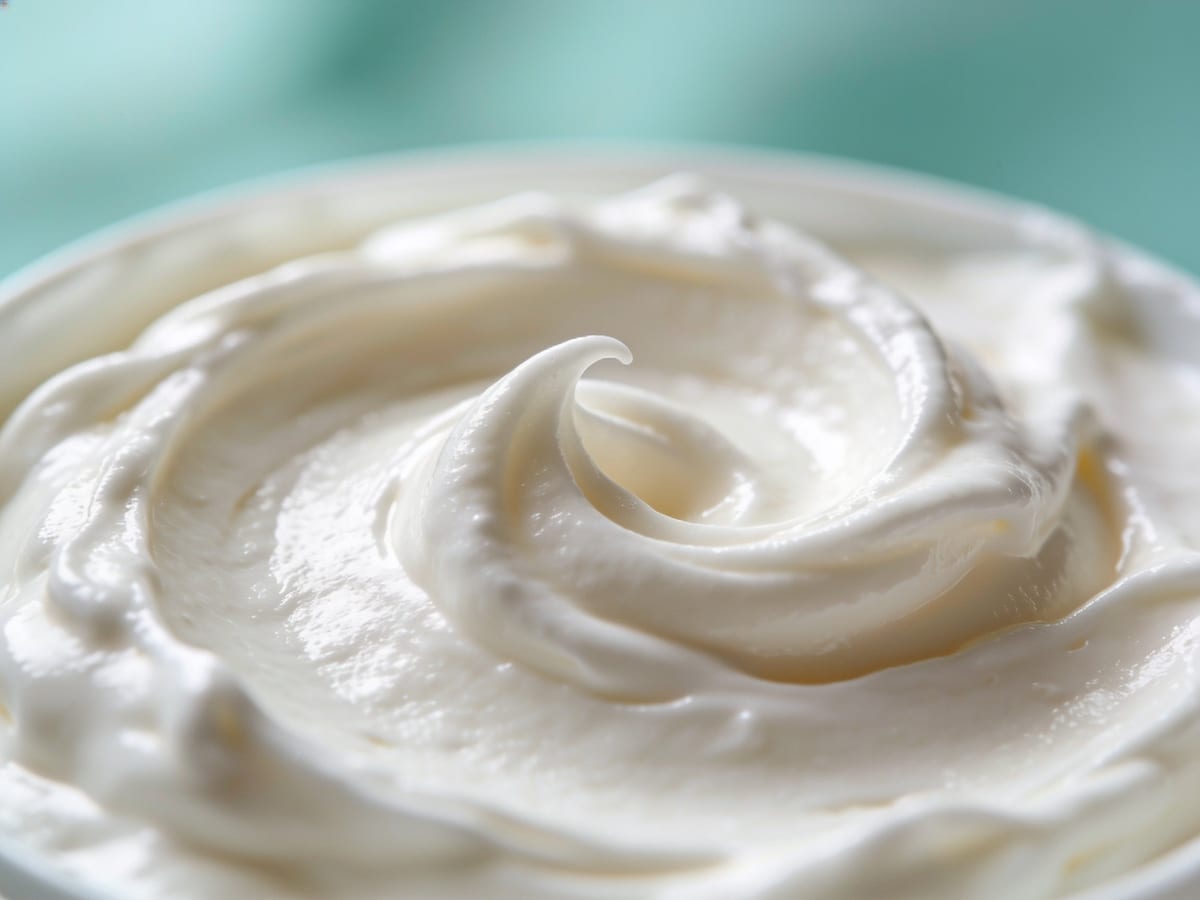
| Hair mask | Thick, rich, often spoonable | Weekly or as needed, 5 to 15 minutes | Higher conditioning load, oils and butters, indulgent feel |
| Leave-in cream | Light lotion or cream | On damp hair, not rinsed | Light conditioning, frizz control, no heavy residue |
| Leave-in spray | Watery mist | On damp or dry hair | Detangling, fine mist, very light feel |
| Hair serum | Silky fluid or oil | Small amount on lengths | Shine, smoothing and heat-styling support |
See ready starting points in our conditioner collection and hair mask collection.
Rinse-off versus leave-on: why it matters
Whether a product is rinsed off or left on hair affects more than the formula's weight. In many markets, cosmetic regulations set different maximum levels for some ingredients, including certain preservatives and fragrance allergens, depending on whether a product is rinse-off or leave-on. Allergen labelling thresholds can also differ between the two. A formula that works as a mask may therefore need adjustment before it can be sold as a leave-in. Fix the format before you finalise the formula and artwork.
Textures and sensory design
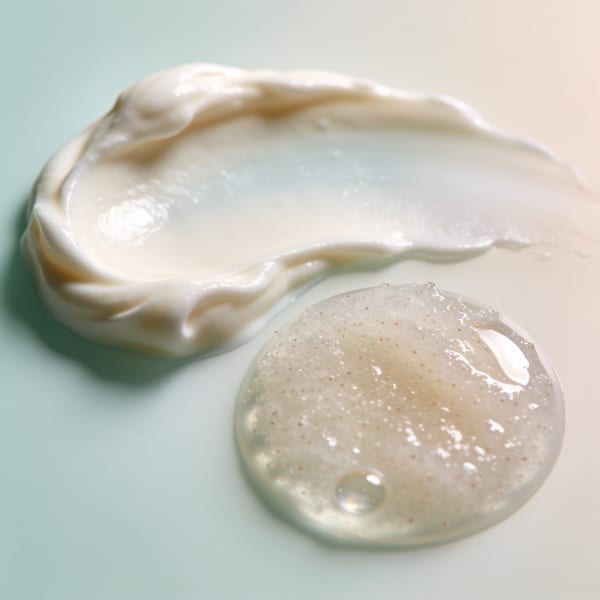
Texture is a brand decision. A thick, whipped mask feels luxurious in a jar; a pourable conditioner suits a flip-top bottle; a light leave-in milk suits a pump or spray. Points to brief:
- Thickness: should the product hold on fingers, or spread instantly?
- Slip: how quickly should hair detangle in the shower?
- Finish: weightless and bouncy, or smooth and heavy for frizz control?
- Colour: white, pastel or tinted, and whether colour fades in clear packs.
- Fragrance: matched to your shampoo or distinct for a treatment line.
Building a conditioning range around hair concerns
| Concern | Conditioner | Mask | Leave-in |
|---|---|---|---|
| Dry, frizzy hair | Rich, with oils | Butter-based, intensive | Smoothing cream |
| Coloured hair | Gentle, colour-care positioning | Shine-focused | Light protective spray |
| Fine, flat hair | Lightweight, volumising feel | Light protein mask | Weightless mist |
| Breakage-prone hair | Protein and conditioning blend | Strengthening-feel mask | Leave-in that reduces combing friction |
| Curly and coily hair | High-slip conditioner | Deep mask | Curl cream |
Keep claims cosmetic: "reduces breakage from combing", "smooths frizz", "adds shine", "helps hair feel stronger". If your range is built around sulphate-free or silicone-free positioning, see our guide to sulphate-free and silicone-free haircare formulation.
Packaging conditioners, masks and leave-ins
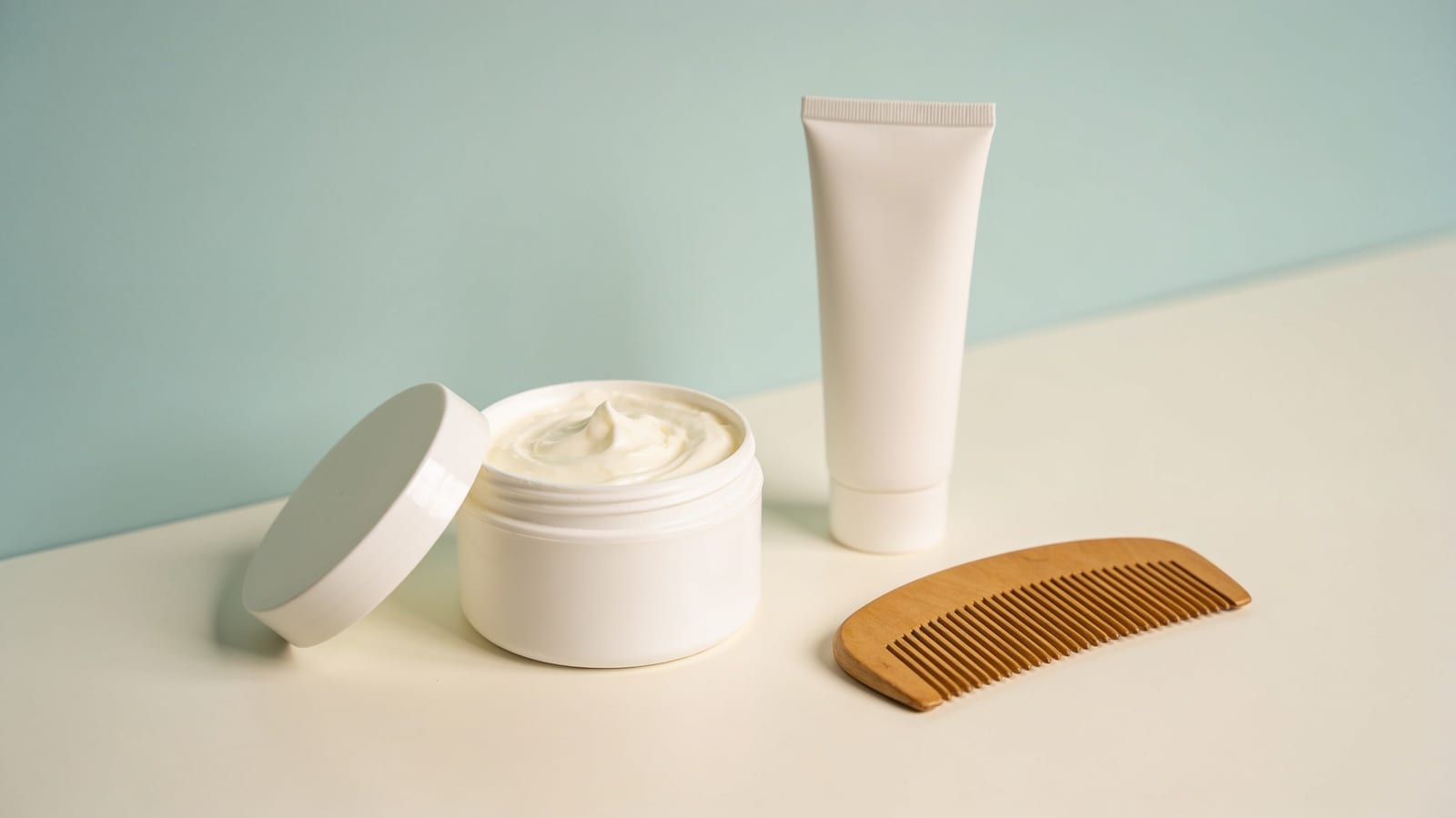
Packaging should follow texture and use. A thick mask that will not pour belongs in a jar or a wide-mouth tube; a conditioner needs a closure that dispenses easily with wet hands.
- Flip-top and disc-cap bottles: everyday conditioners.
- Squeeze tubes: conditioners, masks and leave-in creams; hygienic and travel-friendly.
- Jars: rich masks, where the scooping ritual is part of the appeal.
- Pumps: salon conditioners and leave-in lotions.
- Trigger and fine-mist sprays: leave-in detangling sprays.
- 1 L and 5 L packs: back-bar conditioners and masks for salons.
Browse tube packaging and our wider component options before deciding. Viscosity must be matched to the pack: a mask that is too thick for a pump, or a leave-in too thin for a tube, quickly becomes a customer complaint.
Common problems to test for
Conditioning products fail in quieter ways than shampoos, so sampling should look for specific issues rather than a general impression.
- Build-up: hair that feels heavy or dull after several washes, often a sign the conditioning load is too high for the hair type.
- Poor rinse: a mask that leaves a coated feel even after thorough rinsing.
- Texture drift: a conditioner that thins or thickens noticeably over time, particularly in hot climates or during long export transits.
- Separation: oil rising to the top of a leave-in, especially in clear packs.
- Fragrance fade: a scent that is clear in the jar but disappears on dry hair.
Ask for samples held over a period, and for compatibility checks with your chosen packaging; our testing and quality page explains what is checked before release.
From brief to production
- Choose format and texture for each product in the range.
- Select ready formulas or brief custom formulation.
- Review samples on your target hair types; check wet combing, dry feel and fragrance on dry hair.
- Confirm packaging, then check that the formula dispenses well from it.
- Finalise artwork, ingredient list and claims.
- Production, filling, packing and dispatch.
Ready formulas start from 500 units per product, with custom fragrance, colour, texture and packaging available. Samples are supplied before any order, and a single account manager coordinates the project. Products are made in a GMP-compliant, ISO certified facility, and formulas can be supplied as dermatologically tested with reports on request.
Frequently asked questions
What is the difference between a conditioner and a hair mask?
Both condition hair, but a mask usually has a higher conditioning load and a thicker texture and is left on longer, typically once a week. A conditioner is lighter and used after every shampoo.
Can the same formula be used as a rinse-off and a leave-in?
Not always. Rinse-off and leave-on products can face different ingredient limits and allergen labelling thresholds in many markets, so a rinse-off formula may need adjustment before it is sold as a leave-in.
Can you make silicone-free conditioners and masks?
Yes. Silicone-free conditioners and masks use cationic conditioning agents, oils, esters and proteins for slip and softness. Samples help you judge the feel against your expectations.
What MOQ applies to conditioners and masks?
Ready formulas start from 500 units per product, meaning one formula, one fragrance and one pack size. Custom projects are quoted individually.
Ready to complete your range? Visit our haircare manufacturer in India page.
Related service: Haircare manufacturing for your brand →
Tell us your idea. An account manager replies within 1 business day.