Chinese Labelling and Efficacy Claims for Hotel Amenities: Ingredient Names, Responsible Person Details and Words to Avoid
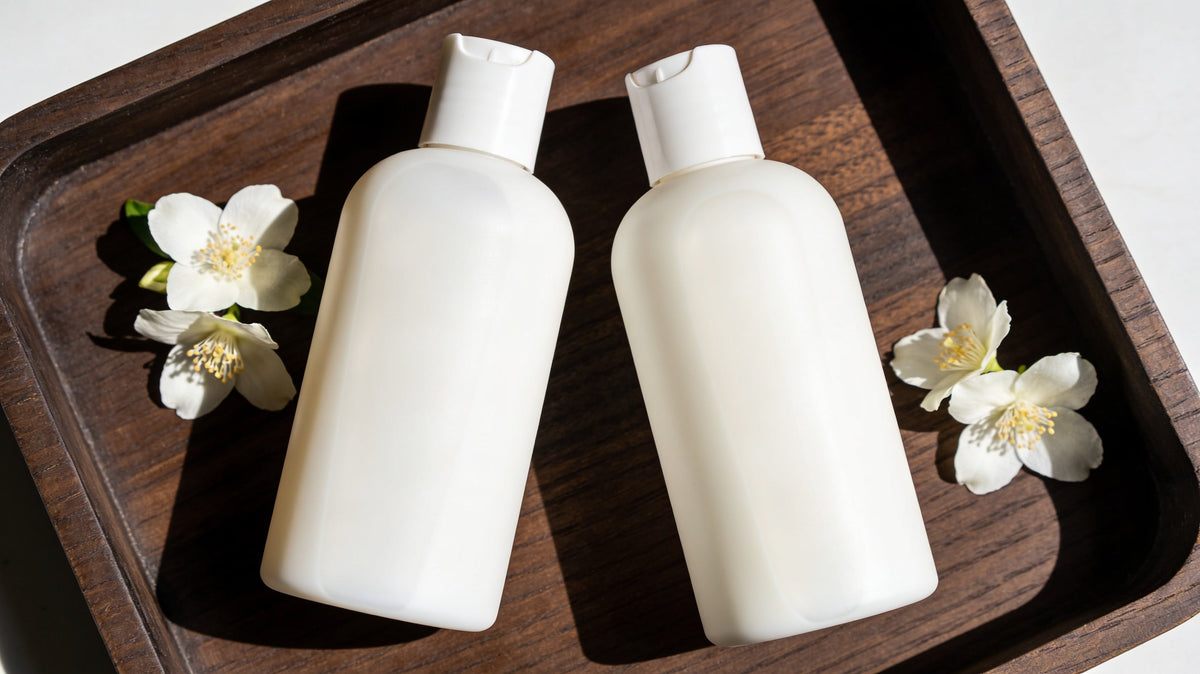
Hotel toiletries supplied in mainland China need Chinese-language labels with the full ingredient list in standard Chinese names and the domestic responsible person's details. Efficacy claims must be substantiated, so most hotel ranges keep claims simple and descriptive.
Hotel toiletries supplied in mainland China need Chinese-language labels under the cosmetic labelling measures, including the full ingredient list in standard Chinese names and the domestic responsible person's details. Any efficacy claim must be backed by evidence under the cosmetic efficacy claim evaluation rules. The safest hotel labels are clear, accurate and modest.
Labelling is where good products are most often delayed. A formula can be ready and filed, then held up because the artwork carries a word the responsible person cannot support. This guide covers the main label elements, ingredient names, claims and the open question of complimentary products. It is general information; confirm current requirements with your domestic responsible person or a regulatory consultant. For the wider context, see our China hotel amenities overview.
What a Chinese cosmetic label usually carries
The labelling measures set out what must appear on the packaging of cosmetics placed on the mainland market. The list below reflects common requirements; your responsible person will confirm the exact set for each product.
- The product's Chinese name, built according to the naming rules.
- The full ingredient list in standard Chinese names.
- The domestic responsible person's name and address.
- The manufacturer's name and address, and the country of origin for imported products.
- Net content.
- Shelf life or use-by information, and the batch number.
- Directions for use and any necessary warnings.
The rules also deal with which information must sit on the main display panel and how foreign-language text relates to the Chinese text. Where English appears alongside Chinese, the Chinese generally needs to be at least as prominent. Ask your responsible person to check proofs against the current text of the measures.
Chinese product names
A Chinese product name is not a free translation of your English name. It is usually built from a trade name, a common name describing the product type and, where relevant, an attribute such as the scent. Attributes that imply an efficacy, such as words suggesting repair or anti-ageing, bring that claim into the evidence requirements. A name like a jasmine shower gel is descriptive; a name that promises a skin benefit is a claim.

Ingredient names
Ingredients must be listed using the standard Chinese names in China's inventory of existing cosmetic ingredients, generally in descending order of content, with specific rules for low-level ingredients. We supply the full ingredient list with INCI names and percentages. The responsible person maps each to its Chinese name. Mismatches are a common cause of rework, especially for fragrance components and botanical extracts, so we share ingredient lists early.
Responsible person and manufacturer details
The domestic responsible person's details must appear on the label, and they are often the last item confirmed. Agree who it will be before artwork starts. If you later change responsible person, you will usually need new labels as well as an updated filing.
Efficacy claims and substantiation
Under the CSAR and the cosmetic efficacy claim evaluation rules, any efficacy claim must be supported by evidence, such as literature, test data or human efficacy studies, depending on the claim. For some claims, a summary of the supporting basis is published on a website designated by the regulator. Some claims need human studies, which adds time and cost. Certain claims, such as anti-hair-loss or whitening, move a product into the special category altogether.
| Claim type | Typical position for a hotel range | Note |
|---|---|---|
| Cleanses, conditions, fragrance description | Basic cosmetic function | Lowest risk; still must be accurate |
| Moisturising, softening | Common claim | Needs supporting evidence |
| Gentle, for sensitive skin | Higher scrutiny | Needs specific evidence; agree wording |
| Contains a named ingredient | Ingredient claim | The ingredient must be present at a meaningful level |
| Anti-hair-loss, whitening, sun protection | Special cosmetic | Avoid in a hotel range |
| Treats, heals, antibacterial | Medical or other regime | Not appropriate for a cosmetic label |
Words to avoid or handle with care
- Medical language: treat, cure, heal, anti-inflammatory, prescription or medical-grade.
- Absolute terms: best, safest, 100 per cent, zero irritation.
- Special-cosmetic territory: whitening, brightening in a whitening sense, spot-fading, anti-hair-loss, hair growth, sun protection.
- Unsupported origin or purity claims, such as natural, organic or chemical-free, without evidence.
- Traditional-medicine framing. An Ayurvedic-inspired spa range can describe heritage and scent; it should not imply therapeutic effects.
- Test claims you cannot show. Dermatologically tested should appear only where a test report supports it; we supply reports on request where a formula is supplied as dermatologically tested.
Scent descriptions
Signature scents are where hotel ranges show personality, and scent words are usually descriptive rather than efficacy claims. Osmanthus, green tea, jasmine, bamboo and lotus all translate well. Be careful when the scent name suggests an ingredient: a green tea shower gel can be read as containing green tea extract. If the scent is a fragrance accord, say so in the wording. Our guide to building a signature scent range covers scent development.
Complimentary hotel products
Hotels often ask whether complimentary minis need the full retail label. The rules concern products placed on the market, and a product given to a guest is still being supplied. There are provisions for very small containers where label space is limited, but whether they apply to your formats is a judgement for your responsible person. Check before you size the artwork, not after.
The same question arises with dispensers. If a hotel fills wall dispensers from 5 L refills, the refill label carries the full information. Ask your responsible person what the dispenser itself needs to show.
A label checklist before printing
Before artwork is released for print, run through a short check with your responsible person. Does the Chinese name follow the naming rules and avoid implied claims? Does the ingredient list match the filed formula exactly, in the right order and with standard Chinese names? Are the responsible person's name and address current? Do net content, batch and shelf-life fields fit the format? Is every claim on the label covered by evidence the responsible person holds? Is any English text no more prominent than the Chinese? Finally, does the label match the version that will be declared at import? Customs inspection can compare the two, and a mismatch found at the border is far more expensive than one found at proof stage.
How we handle artwork
We manufacture and decorate packaging in-house, and we print Chinese-language label artwork supplied or approved by you or your responsible person. We do not write Chinese regulatory text ourselves. A typical flow is: we supply ingredient lists and dielines, the responsible person prepares or checks the Chinese text, you approve the design, and we proof and print. See custom packaging for formats and finishes, and quality and certifications for the documents behind each product.
Groups with properties in several regions should keep a single master formula and manage label versions per market. Our Beijing and North China guide shows how one range can be adjusted for a drier climate while keeping the same claims.
Frequently asked questions
Can we use English-only labels in a mainland hotel?
Generally no. Cosmetics supplied on the mainland need Chinese labels. English can appear alongside, usually no more prominent than the Chinese.
Who translates the ingredient list into Chinese?
The domestic responsible person, using standard names from China's ingredient inventory. We supply the INCI list and percentages.
Can we say moisturising on a body lotion?
Usually, but it is an efficacy claim and needs supporting evidence. Agree the wording and evidence with your responsible person.
Do hotel minis need full labels?
Check with your responsible person. Small-container provisions exist, but how they apply depends on the format and current rules.
See our hotel toiletries range and the hotel amenities collection, then send us your label brief.
Related service: Hotel amenities supplier for China, Hong Kong and Macau →
Tell us your idea. An account manager replies within 1 business day.
More from Harrods Insights
Keep reading
Shipping Hotel Amenities from India to China and Hong Kong: Consignee, Broker, Customs Inspection, Documents and Seasonal Planning

Supplying Hotels in Hong Kong and Macau: How the Rules Differ from the Mainland, Safety and Trade Descriptions Law, Labelling and Practical Buying
