Paw and Nose Balm Formulation Basics for Brands
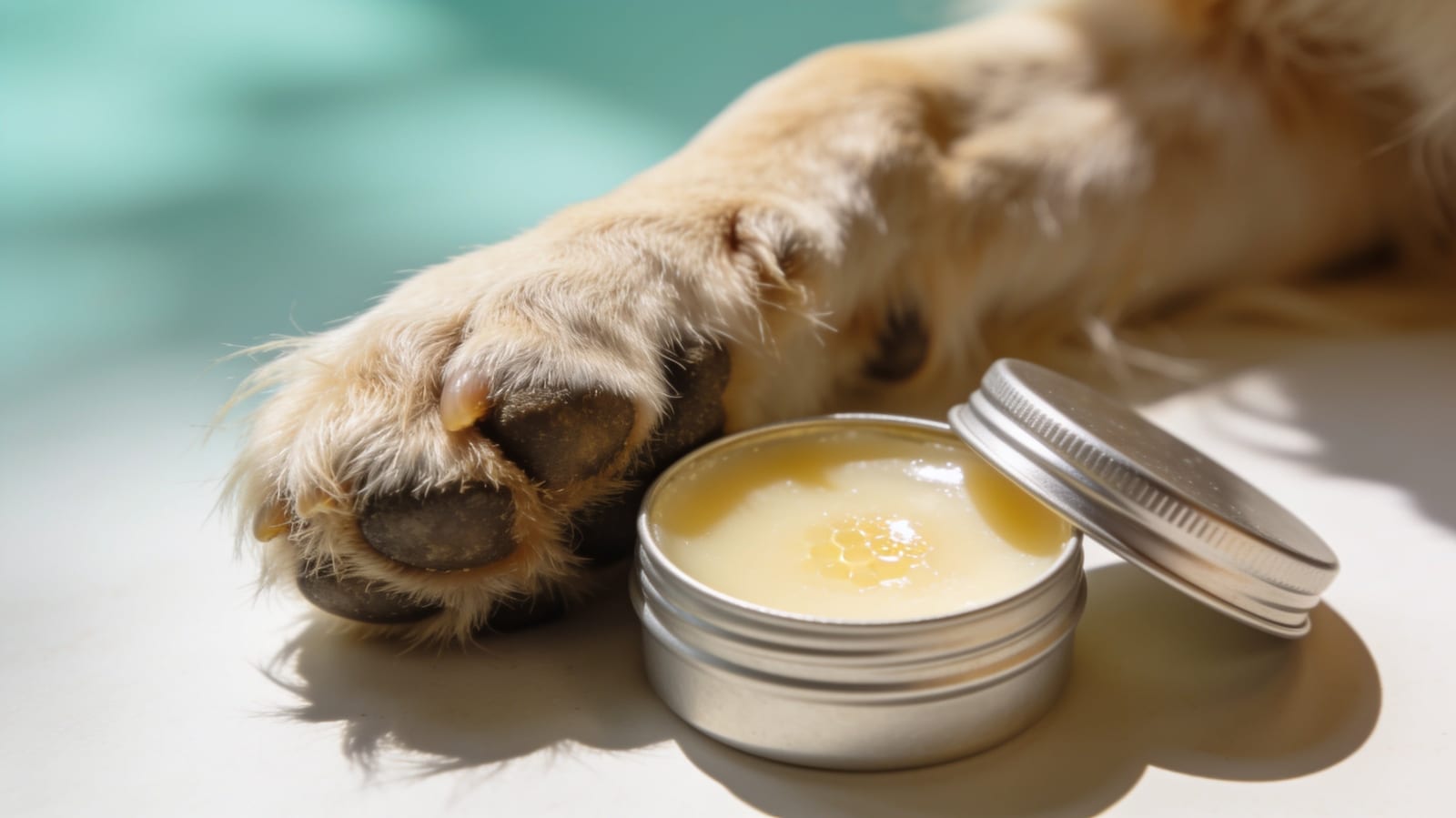
A pet paw and nose balm blends plant butters, oils and waxes to soothe the feel of dry paws and noses. The key decisions are texture, stability in heat, ingredients that are safe if licked (no xylitol, caution with zinc oxide and essential oils) and a pack that suits the texture.
A good paw and nose balm is a simple blend of plant butters, oils and waxes that soothes the feel of dry paws and noses, stays put without being greasy, and is safe to be licked. The key decisions are texture, heat stability, lickable-safe ingredients and the right pack.
Paw and nose balms are one of the most popular add-ons in a pet range. They are easy to understand, giftable and used often, especially in hot or cold weather and after walks on rough ground. This guide covers the basics brands should know before briefing a manufacturer. For how we produce balms and other pet formats, see our pet care third-party manufacturing page.
What a paw and nose balm is for
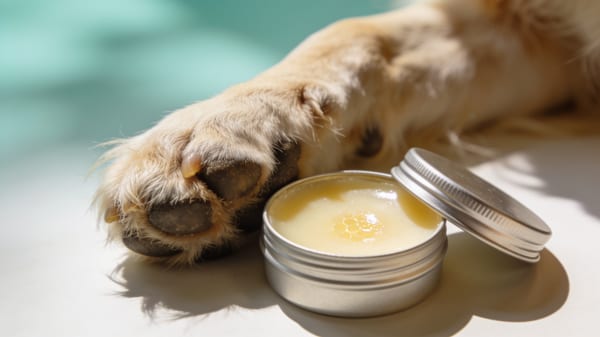
A balm is an anhydrous product, meaning it contains no water. It forms a light, protective layer on the skin that helps it feel softer and more supple. Owners use balms on:
- paw pads that feel dry or rough after walks on hot pavements, gravel, sand or snow;
- noses that feel dry or flaky;
- elbows and other rough patches on older or larger dogs.
For a grooming product, the right language is about feel and condition: "soothes the feel of dry paws", "softens rough pads", "conditions dry noses". A balm should not claim to heal cracks, treat infection or cure any skin condition.
The building blocks of a balm
Butters
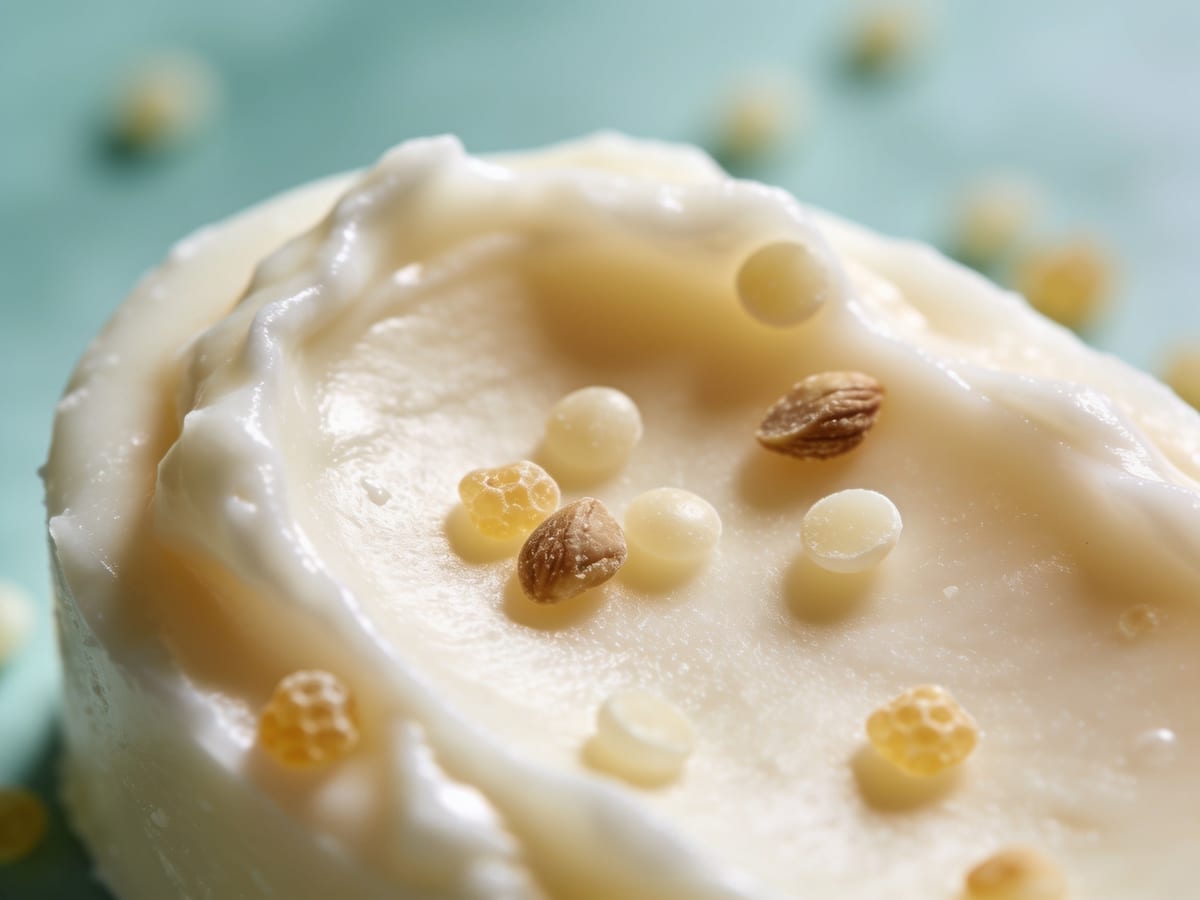
Plant butters such as shea, cocoa, mango and kokum give body and richness. They melt close to skin temperature, which helps the balm spread. The blend of butters influences how firm or soft the finished product feels.
Oils
Liquid oils such as coconut, sunflower, sweet almond, jojoba and olive soften the texture and help the balm glide. The ratio of oils to butters and waxes sets the final consistency.
Waxes
Waxes provide structure and help the balm stay on the skin rather than rubbing straight off. Beeswax is common; candelilla and carnauba are plant-based alternatives used in vegan formulas. More wax gives a firmer balm suited to sticks; less gives a softer butter suited to tins.
Optional extras
- Vitamin E: often used as an antioxidant to help protect oils from going rancid.
- Botanical extracts: chosen with care, and only those suitable for the target species.
- Fragrance: best kept very low or left out entirely, because pets lick their paws and noses and have a strong sense of smell.
| Component | Main role | Effect of using more |
|---|---|---|
| Butters | Richness and body | Creamier, softer feel |
| Oils | Spreadability and glide | Softer balm, may feel oilier |
| Waxes | Structure and staying power | Firmer balm, better for sticks and heat |
| Antioxidant | Helps protect oils from rancidity | Longer-lasting freshness of the oils |
Lickability: the most important safety consideration
Dogs and cats lick their paws and noses. Some of any balm will be swallowed, so every ingredient must be suitable for that. Brands should avoid or treat with real caution:
- Xylitol: a known risk for dogs and never appropriate in a lickable product.
- Zinc oxide: common in human balms and nappy creams, but a concern if animals lick and swallow it, so best avoided in lickable pet balms.
- Essential oils: many are risky for cats, and tea tree oil is risky for cats and for dogs at higher concentrations. Leave them out of cat balms, and use great caution in dog balms.
- Strong fragrance or flavour: can encourage licking, which removes the balm and increases the amount swallowed.
- Medicinal ingredients: keep these out of a grooming balm, as they bring it into veterinary drug territory.
If the balm is for cats as well as dogs, the formula must be designed around cats. Our guide to ingredients to avoid in cat grooming products explains why cats need more caution.
Texture and climate
A balm that is perfect in a cool room may turn liquid in a hot warehouse or delivery van, then set grainy when it cools. Butters can also bloom or form small grains if they melt and resolidify slowly. Good manufacturers manage this through the choice of butters and waxes, careful heating and cooling during production, and stability checks at different temperatures.
For brands selling across hot regions in India, the GCC or South East Asia, or shipping in summer, ask your manufacturer how the balm behaves at higher temperatures and whether a firmer version is recommended for your markets.
Choosing the right pack
Pack and texture go together:
- Twist-up stick: needs a firmer balm. It is hygienic and lets owners swipe the product straight onto a pad or nose.
- Tin or jar: suits a softer butter. Owners scoop with a finger, so the texture should melt easily on contact.
- Tube: suits softer, more spreadable textures and allows controlled amounts.
Our guide to choosing packaging for pet shampoos, sprays and balms covers the options, and you can see formats in our paw and nose butter collection.
Directions and cautions for the label
Clear instructions help owners use the balm well and keep expectations realistic:
- Apply a thin layer to clean, dry paw pads or nose.
- Massage gently until absorbed.
- Distract the animal for a few minutes, for example with a walk or a toy, so the balm can settle.
- Use as often as needed for comfort.
- Stop use and consult a vet if the skin is broken, bleeding, swollen or shows any sign of discomfort.
Add "for external use", "avoid the eyes" and storage guidance, such as keeping the product in a cool place.
Building a range around the balm
A balm sits naturally beside a gentle shampoo, a coat oil and a detangling spray. It also works well in gift sets and seasonal bundles. Brands often offer:
- an unscented paw and nose balm for dogs;
- a separate cat-suitable balm with a simpler formula;
- a stick format for walks and travel and a tin for home;
- a larger tin for groomers and kennels.
See related formats in our skin and coat care and pet oil collections.
Ready formula or custom balm?
A ready balm formula is the fastest route to market, from 500 units per product, with your choice of packaging. A custom balm suits brands that want a particular texture, a specific plant butter story or a vegan wax system. Our custom formulation service covers bespoke briefs. Either way, ask for samples and test them in the climate where you will sell.
Frequently asked questions
Is it safe if my dog licks off the paw balm?
A well-formulated pet balm is designed with licking in mind, avoiding ingredients such as xylitol and zinc oxide. Distract the dog for a few minutes after applying so the balm can settle.
Can I use a human lip or hand balm on my pet?
It is better not to. Human balms may contain fragrance, essential oils or ingredients such as zinc oxide that are not suitable for animals that lick.
Why does a balm turn grainy?
Butters can form small grains if they melt and cool slowly, for example in hot transport. Careful formulation and production help prevent this.
Can a paw balm heal cracked pads?
As a grooming product, a balm soothes the feel of dry pads and softens rough skin. Cracked, bleeding or sore pads should be checked by a vet.
Planning a paw and nose balm? Explore our pet care manufacturing services and request samples.
Related service: Pet grooming third-party manufacturing →
Tell us your idea. An account manager replies within 1 business day.