
Custom Mould Cosmetic Packaging: When It Is Worth It, Tooling, Sampling and Protecting Your Design
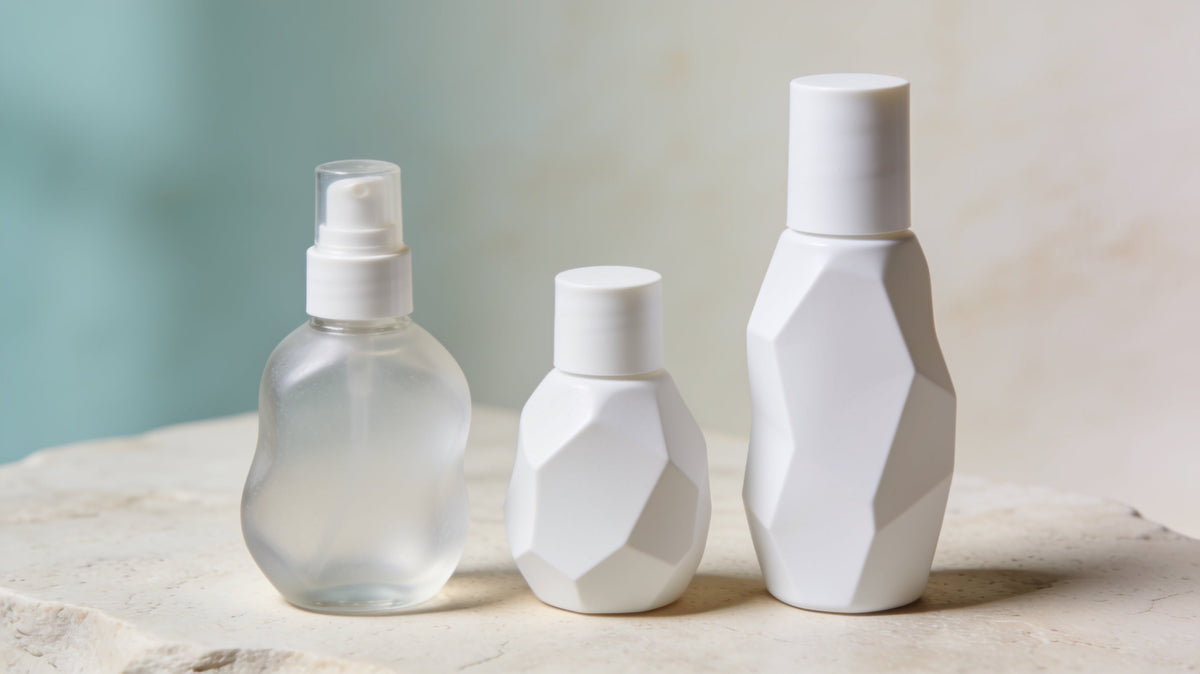
A custom mould gives a brand a shape no one else can buy, but it adds design, tooling and validation time and cost. It is usually worth it for proven hero products with long life cycles, and the process should include prototypes, trial samples and full compatibility testing before production.
A custom mould is worth it when a product has proven demand, a long expected life and a shape that genuinely strengthens the brand. The process runs from design and prototyping through tooling, trial samples and validation to production, and brands should agree mould ownership and protect their design before sharing it widely.
Bespoke packaging is one of the most powerful ways to make a product recognisable. It is also one of the biggest commitments a brand makes in packaging. As a cosmetic packaging manufacturer in India that builds custom moulds as well as supplying stock components, we help brands decide whether a custom pack makes sense, and then manage the process. If you are still at the stock-versus-custom decision, start with our guide to buying cosmetic packaging in India.
When a custom mould is worth it
Consider a custom mould when most of the following apply:
- The product is proven. It has sold well in a stock pack, or the launch is backed by firm distribution.
- The life cycle is long. A hero SKU or a signature range will use the mould for years, spreading tooling cost.
- The shape carries meaning. The form expresses the brand, improves usability, or solves a problem that stock cannot.
- Volumes are sustainable. Expected annual demand justifies a dedicated tool and production runs.
- Stock cannot get you there. You have explored colour, decoration and closure combinations on existing shapes.
When to wait
- The formula, fill volume or positioning is still changing.
- You are testing a new market or channel.
- Cash flow would be better spent on stock, marketing or formula development.
Types of custom packaging work
| Level | What changes | Relative effort |
|---|---|---|
| Custom colour and decoration | Stock mould, unique colour, print and finish | Lowest |
| Modified stock part | Changes to an existing tool, such as an engraved logo or new cap texture | Moderate |
| Custom cap or collar on a stock bottle | New tool for the closure only | Moderate |
| Fully custom container | New bottle, jar or compact, often with matching closure | Highest |
A bespoke cap on a stock bottle can deliver much of the recognition of a fully custom pack with less complexity.

The custom mould process, step by step
- Brief. Capacity, formula type, dispensing system, closure, target markets, desired materials and finish, expected volumes and budget.
- Concept design. Sketches and renders that respect manufacturing constraints such as wall thickness, draft angles and parting lines.
- Technical drawings and 3D CAD. Exact dimensions, neck finish, capacity and tolerances.
- Prototypes. 3D-printed or machined models to check proportions, hand feel and fit with closures. Prototypes do not prove production performance, but they catch design issues early.
- Design freeze and approval. Signed drawings before tooling begins.
- Tooling. The mould is designed and machined. The number of cavities, the steel or material grade and features such as hot runners are agreed according to volume.
- Trial samples. First shots are moulded and measured. Adjustments are common at this stage.
- Validation. Dimensional checks, fit with closures, filling trials, drop and leak tests, decoration trials and compatibility with your formula.
- Pre-production approval. You sign off master samples that define the standard.
- Production. Moulding, decoration, assembly, inspection and dispatch.
What drives the timeline
Timelines vary widely from project to project. The main factors are:
- Design complexity – undercuts, unusual geometry, thick walls in glass-look plastics and multi-part assemblies all add time.
- Material and process – injection moulding, injection blow moulding, extrusion blow moulding and glass forming each have different tooling routes.
- Number of revisions – each design change after tooling starts adds time.
- Validation results – failing a fit, leak or compatibility test means another loop.
- Decoration development – new colours and finishes need their own trials.
- Your approval speed – fast, decisive sign-offs keep projects moving.
Build a realistic plan that includes formula stability testing in the final pack, which cannot start until production-representative samples exist.
Design for manufacturing: common pitfalls
- Thin or uneven walls can cause sink marks, warping or weak points.
- Sharp internal corners trap product and concentrate stress.
- Insufficient draft makes parts difficult to eject from the mould.
- Ignoring the neck finish – using a standard neck lets you choose from existing pumps and caps.
- Visual capacity mismatch – a large outer form with a small fill can mislead consumers and may breach rules on slack fill in some markets.
- Forgetting the filling line – unstable shapes may not run on conveyors or filling machines without special pucks.
Where custom moulds make the biggest difference
Some categories reward bespoke shapes more than others:
- Fragrance – the bottle and cap are central to the gift and shelf experience. See our perfume bottles for stock starting points.
- Prestige skincare jars and compacts – weight, closure feel and silhouette signal value.
- Lip and mascara components – distinctive cases and caps are recognisable in a handbag; see our makeup packaging guide.
- Refill systems – a proprietary refill interface can be part of the product's value, provided refills are available and easy to use.
In commodity categories with intense price competition, such as everyday body wash, a custom cap or a distinctive colour on a stock bottle often gives a better return than a fully new container.
Mould ownership and commercial terms
Before tooling starts, agree in writing:
- Who owns the mould and the design files.
- Whether the mould is exclusive to your brand.
- Where the mould is kept, how it is maintained and who pays for repairs or replacement.
- What happens to the mould if you change supplier or stop ordering.
- Payment stages linked to milestones such as design approval and sample approval.
Protecting your design
A distinctive pack is a valuable asset. Practical steps include:
- Confidentiality agreements with design agencies and suppliers before sharing drawings.
- Design registration in your key markets. Many jurisdictions, including India, the UK, the EU and the US, offer registered design or design patent protection for the appearance of a product. Seek advice from a qualified intellectual property professional on timing, because public disclosure before filing can affect your rights.
- Trade mark protection for logos and, in some cases, distinctive shapes.
- Exclusivity clauses in your supply agreement covering the mould and design.
- Controlled sample circulation before launch.
Combining custom moulds with in-house decoration
A new shape and a new finish are often developed together. Working with one manufacturer for moulding, decoration and assembly reduces handovers and makes accountability clear. A single account manager should coordinate design, sampling, testing and dispatch. We also run quality checks on samples and production, and your MOQ and pricing will reflect the tooling and decoration chosen.
Frequently asked questions
How do I know if my brand needs a custom mould?
If the product is proven, has a long expected life and stock shapes with custom decoration cannot express the brand, a custom mould may be worth it. If anything is still changing, stay on stock.
Who owns a custom cosmetic packaging mould?
Ownership depends on the agreement. Agree in writing who owns the mould and design files, whether it is exclusive, and what happens if you stop ordering.
Can I see samples before full production?
Yes. Prototypes check form and fit, and trial samples from the production mould are measured and tested before you approve master samples for production.
Can I protect my bottle design?
Many markets offer registered design or design patent protection for product appearance. Take advice from an intellectual property professional before disclosing the design publicly.
Discuss a bespoke bottle, jar or cap with our custom cosmetic packaging team.
Related service: Cosmetic packaging manufacturing →
Tell us your idea. An account manager replies within 1 business day.
More from Harrods Insights


