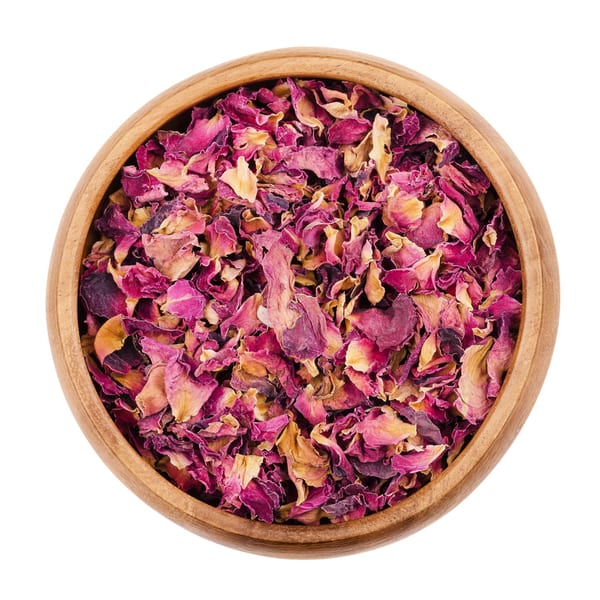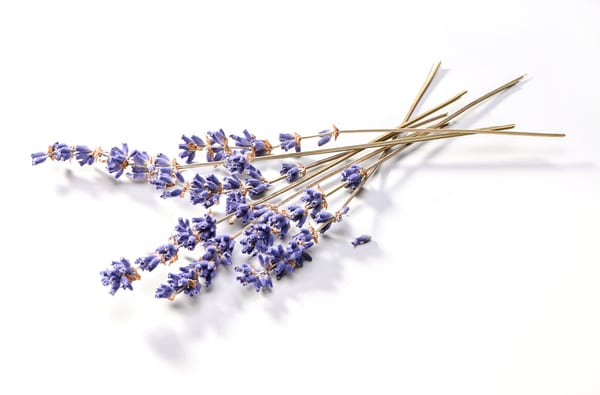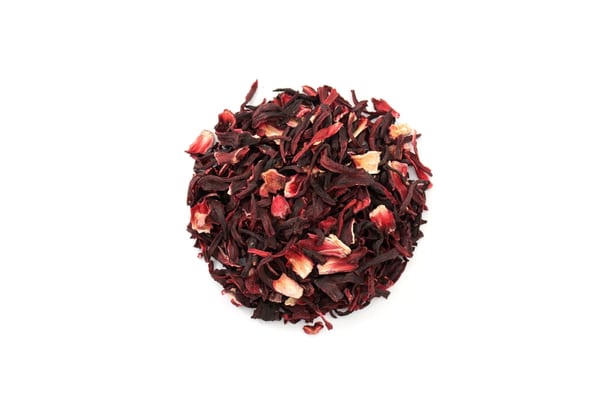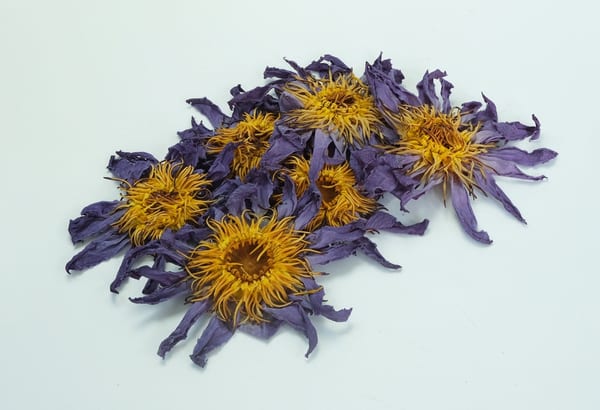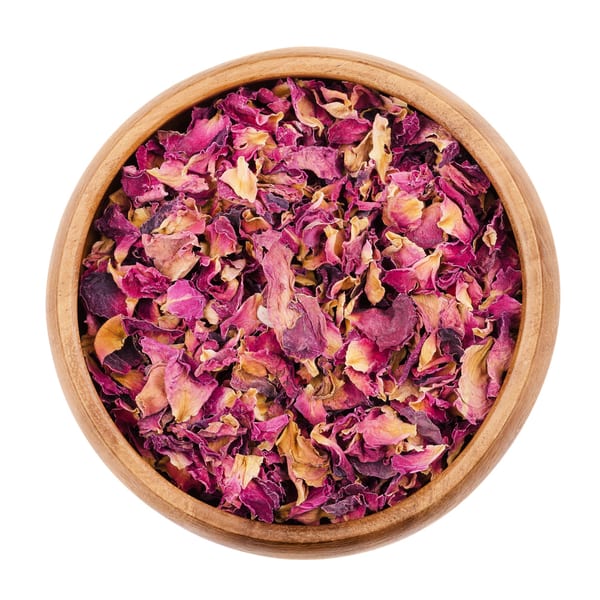
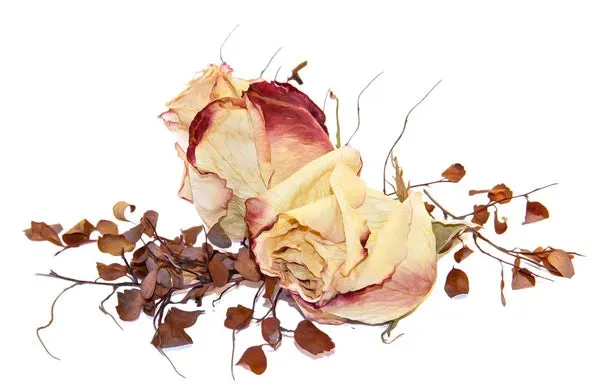
Dried Rose Flower
Dried Rose Flower is whole or broken dried rose petals, used in bath salts, soaps, face packs, potpourri and as decorative toppings for handmade cosmetics.
Product Details
Supply
Specifications and a certificate of analysis come on request, and pricing is quoted by quantity. Our Ambala team can also help with using it in a private label formula.
Typical uses
- Skincare, haircare, bath and body formulations
- Handmade soap, candles and small-batch cosmetics
- Product development and sampling in R&D teams
Supply
Bulk packs suit manufacturers and small packs suit makers, with documentation on request. Add it to your inquiry list for pack sizes and a quote.
Service Guide
Q.Can the formula be modified?
Yes. Fragrance, colour, texture and the level of hero ingredients can be adjusted with our R&D team. Larger changes become a custom formulation project; we confirm feasibility and MOQ with your quote.
Q.Can I add marketing ingredients?
Yes, where they are compatible with the formula and allowed for cosmetics in your target market. Tell us the ingredient and the claim you want to make, and our team will advise on levels and label wording.
Q.How do samples work?
Qualified brands can request free samples of ready formulas, usually dispatched within 5–7 days. Custom formula samples take longer and are scheduled after your brief is confirmed.
Q.What is the minimum order and lead time?
Ready formulas start at 500 units per product. Standard production takes 15–25 working days after formula and packaging approval.
Q.Do you supply the packaging and labels?
Yes. Choose from our packaging library or bring your own, and our team handles label design and printing so you receive shelf-ready units.
Guides for candle, incense and potpourri buyers
- Sourcing candles, incense and potpourri from India: a private label buyer’s guide →
- Exporting potpourri and dried botanicals: phytosanitary rules, labelling and documents →
- Exporting incense to the EU, UK and USA: labelling and safety requirements for buyers →
- Private Label Candle Range Development: A Step-by-Step Guide for Brands and Retailers →