
Importing Hotel Toiletries into Africa from India: Importer of Record, Registration and Documents
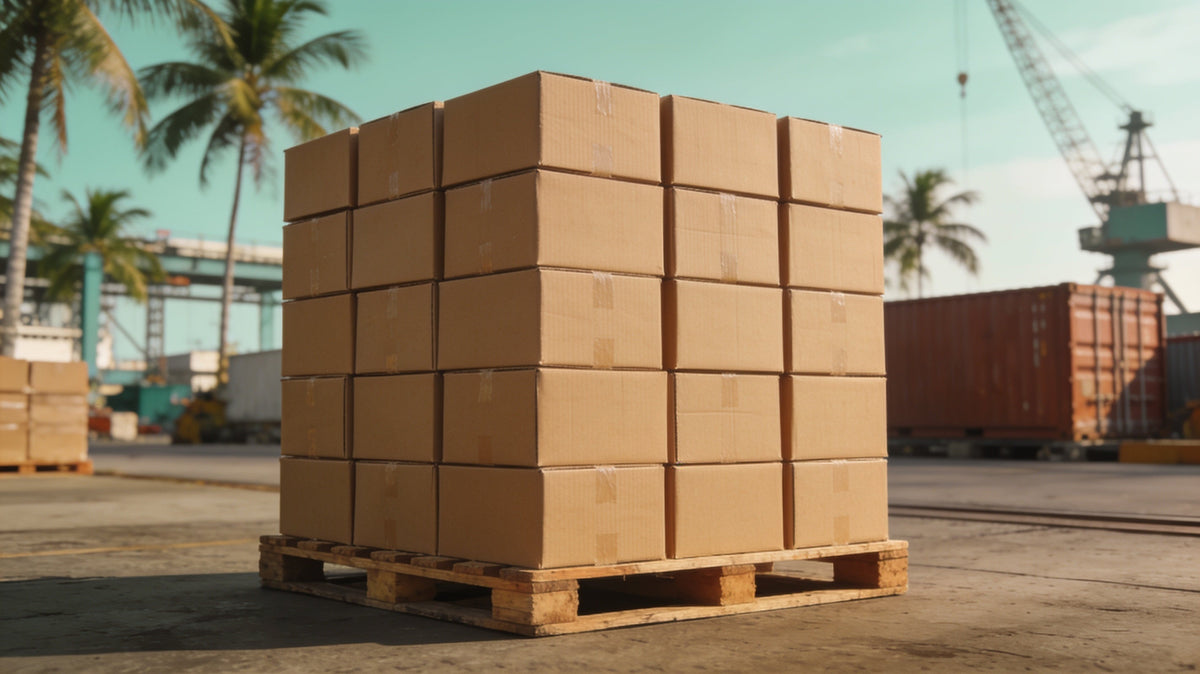
Hotel toiletries are generally regulated as cosmetics in African markets, so a local importer of record may need to register products or obtain a pre-shipment conformity certificate before goods clear. The manufacturer supplies the technical file, certificates and shipping documents. Plan registration in parallel with sampling and packaging.
Importing hotel toiletries from India into Africa runs smoothly when three things are settled before production: who acts as importer of record, whether the products need registration or a pre-shipment conformity check in the destination country, and which documents must travel with the goods. Settle those early and stock clears the port; leave them late and it waits.
For hotel groups, lodge operators and amenity distributors, manufacturing is rarely the hard part. The friction usually sits at the border: a label that does not match a registration file, a certificate that was never requested, or an importer who was not set up to hold the product licence. As a hotel amenities supplier for African hotels, Harrods Health manufactures shampoo, conditioner, shower gel, 2-in-1, body lotion and hand wash for export, and this guide explains the import side in general terms. It complements our guide to exporting hotel amenities from India, which looks at the same journey from the factory side.
Who is the importer of record?
The importer of record is the legal entity in the destination country that declares the goods to customs, pays duties and taxes, and answers for the products' compliance with local rules. For hotel toiletries it is usually one of three parties:
- The hotel group's local company or procurement arm, common where a group runs several properties in one country.
- An amenity distributor, which imports in bulk and supplies several hotels, lodges or apartment operators.
- A clearing or trading agent acting on the buyer's behalf, which suits smaller or one-off orders.
In many markets, a cosmetic product registration must be held by a locally registered company. That makes the importer of record and the registration holder the same entity in practice, so decide this before any registration work begins.
Questions to settle with your importer
- Is the entity registered to import cosmetics, and does it hold any licence the regulator requires?
- Who will apply for product registration, and in whose name will it sit?
- Who appoints the clearing agent and pays port and storage charges?
- Which Incoterm will the contract use, and where does risk pass to the buyer?
Product registration and pre-shipment conformity programmes
Hotel shampoo, shower gel, lotion and hand wash are generally regulated as cosmetics. Across Africa, two mechanisms come up most often, and some countries use both.
Product registration or notification
The regulator reviews a product file before the product can be imported or sold. Files typically include the formula or ingredient list, label artwork, manufacturer details and certificates, and sometimes samples for laboratory analysis. In Nigeria, cosmetics are regulated by NAFDAC (the National Agency for Food and Drug Administration and Control), and products generally need NAFDAC registration before import.
Pre-export or pre-shipment verification
Here the conformity check happens before the goods leave India. An appointed inspection body reviews documents, inspects the consignment and may test samples, then issues a certificate that customs at destination expects. Kenya's KEBS (Kenya Bureau of Standards) runs a Pre-Export Verification of Conformity (PVoC) programme of this type.
Procedures, fees and product scopes change, so treat these examples as orientation only. Confirm current requirements for South Africa, Tanzania, Ghana, Mauritius and every other market with your importer, clearing agent or the regulator itself.
| Requirement | What it involves | Who usually leads |
|---|---|---|
| Importer of record | Customs declaration, duties, local accountability | Buyer or distributor |
| Product registration | Regulator reviews product file, labels and sometimes samples | Local registration holder, using the manufacturer's documents |
| Pre-shipment conformity | Document review, inspection and testing before dispatch | Exporter, with the appointed inspection body |
| Customs clearance | Lodging entries, paying duties, releasing cargo | Clearing agent for the importer |

Documents that usually travel with the shipment
Exact lists vary by country and by importer, but a typical set for hotel toiletries includes:
- Commercial invoice and packing list, with consistent product descriptions and tariff codes
- Bill of lading for sea freight or air waybill for air freight
- Certificate of origin
- Certificate of analysis for each batch
- Safety data sheets and product specifications
- Manufacturing licence, GMP and ISO certificates for the facility
- Halal certificate, where the buyer or market asks for it
- Certificate of conformity, where a pre-export programme applies
- Dermatological test reports, where the formula is supplied as dermatologically tested
Our quality certifications page lists the facility credentials we hold, including Halal, ISO, GMP compliance, an AYUSH licence, US FDA facility registration and a state FDA cosmetic manufacturing licence.
Ports and routing
Most hotel amenity shipments from India arrive by sea through the main coastal gateways: Mombasa for Kenya and much of East Africa's interior, Dar es Salaam for Tanzania and neighbouring landlocked markets, Lagos for Nigeria, Durban and Cape Town for South Africa, Tema for Ghana and Port Louis for Mauritius. Inland destinations such as Uganda, Rwanda or Zambia usually move in transit through one of these ports, which adds a further customs step.
Smaller buyers often ship part loads, while groups refurbishing several properties may combine shampoo, lotion, dispensers and refills in one container to spread freight cost. Air freight suits samples and urgent top-ups. Our fulfilment and export team can advise on consolidation and packing for the route you use.
Planning lead times without guesswork
Every project is different, so think in stages rather than fixed numbers. The usual sequence is:
- Range selection and sampling
- Artwork approval, including all mandatory label text
- Product registration, where required, often the longest single step
- Procurement of printed packaging and components
- Production, filling and batch release
- Pre-shipment inspection and certification, where applicable
- Sea or air transit, port clearance and inland delivery
Run registration in parallel with sampling and packaging, avoid formula or label changes after a registration is filed, and keep safety stock at each property so that a held container does not leave rooms without amenities.
Common reasons shipments are held
- Labels that differ from the registered product or the approved artwork
- Missing batch numbers or expiry information on packs
- Inconsistent product descriptions or tariff codes across invoice and packing list
- A conformity certificate that was not obtained before departure
- Importer details absent from the label where the market expects them
How Harrods Health supports African importers
We manufacture hotel toiletries in minis, tubes, sachets, dispenser bottles and 5 L refills, print hotel branding, and prepare the technical and shipping documents your importer needs. MOQ is quoted per item. For market-specific notes, see our pages for hotel amenities in Kenya and hotel amenities in Nigeria.
Frequently asked questions
Who should be the importer of record for hotel toiletries in Africa?
Usually the hotel group's local operating company, its procurement arm or an appointed amenity distributor. The importer of record carries legal responsibility for customs declarations, duties and local product compliance, so it should be an entity that is registered in the destination country and able to hold any product registrations.
Do hotel shampoos and shower gels need registration before import?
In many African markets, yes. Rinse-off and leave-on toiletries are generally treated as cosmetics, and some regulators require products to be registered or notified before they can be imported and sold. In Nigeria, for example, cosmetics fall under NAFDAC. Confirm the current rules for each product with your importer or clearing agent.
What is a pre-export verification programme?
It is a conformity check carried out before goods leave the country of origin, typically involving document review, inspection and sometimes testing, ending in a certificate that customs at destination expects to see. Kenya's KEBS operates a Pre-Export Verification of Conformity programme of this kind.
How early should we start planning an import of hotel amenities?
Start registration and artwork as soon as the range is agreed, not after production. Registration, printed packaging and conformity inspection are often the slowest steps, so running them in parallel with sampling protects your opening or replenishment date.
Planning your first shipment? Start with our hotel amenities for African hotels overview and send us your range.
Related service: Hotel amenities supplier for African hotels →
Tell us your idea. An account manager replies within 1 business day.
More from Harrods Insights
Keep reading

Multilingual Labelling for Hotel Toiletries in South-East Asia: Languages, Small-Pack Layout and Halal Logo Rules

Sustainable Hotel Amenities in Singapore and South-East Asia: Refill Systems, PCR Plastic and Substantiating Green Claims